2025 Guide: How to Choose the Best Transparent Display for Your Needs
In recent years, the emergence of transparent display technology has transformed the way we interact with digital content. As this innovative solution gains traction across various industries, from retail to advertising and even architecture, it becomes crucial for consumers and businesses alike to understand how to select the best transparent display tailored to their unique needs. The dynamic nature of these displays not only captivates audiences but also serves functional roles in enhancing user experience, making informed decision-making essential.
This guide aims to provide a comprehensive overview of the key factors to consider when choosing a transparent display. Whether you are looking to elevate the visual appeal of your storefront or integrate seamless digital interfaces into your workspace, understanding the important specifications and features of transparent displays is vital. From resolution and brightness to size and interactivity, this guide will equip you with the necessary knowledge to navigate through the myriad of options available in the market. Embrace the potential of transparent displays and discover how they can revolutionize your engagement with technology.

Understanding Transparent Displays: Types and Technologies
Transparent displays are an exciting innovation in the tech industry, offering unique visual experiences across various applications. These displays typically utilize OLED or LCD technologies and can vary widely in transparency levels, brightness, and size. OLED screens, for instance, provide vibrant colors and deep blacks, making them ideal for applications that require high-quality visuals. According to recent reports from industry analysts, the transparent display market is projected to grow at a compound annual growth rate (CAGR) of 30% from 2022 to 2027, highlighting the increasing demand in sectors such as retail, automotive, and smart home devices.
When considering a transparent display, it's important to assess the environment where it will be used. For example, displays installed in well-lit locations may require higher brightness levels to ensure visibility. Additionally, consider the transparency percentage; a typical transparent OLED display ranges from 30% to 80% transparency, allowing background elements to show through while maintaining clear images.
**Tip:** Before purchasing, conduct a side-by-side comparison of different technologies and consider demoing a few options in real-world settings. This will help you gauge the brightness, color quality, and overall performance to meet your specific needs. Another factor to take into account is the interactive capabilities; some transparent displays offer touch functionality, enabling a more engaging user experience.
In summary, understanding the different types and technologies of transparent displays is crucial for opting for the right one. Assess your specific use case, environment, and interactivity requirements to maximize the benefits of this innovative technology.
Key Features to Consider When Selecting a Transparent Display
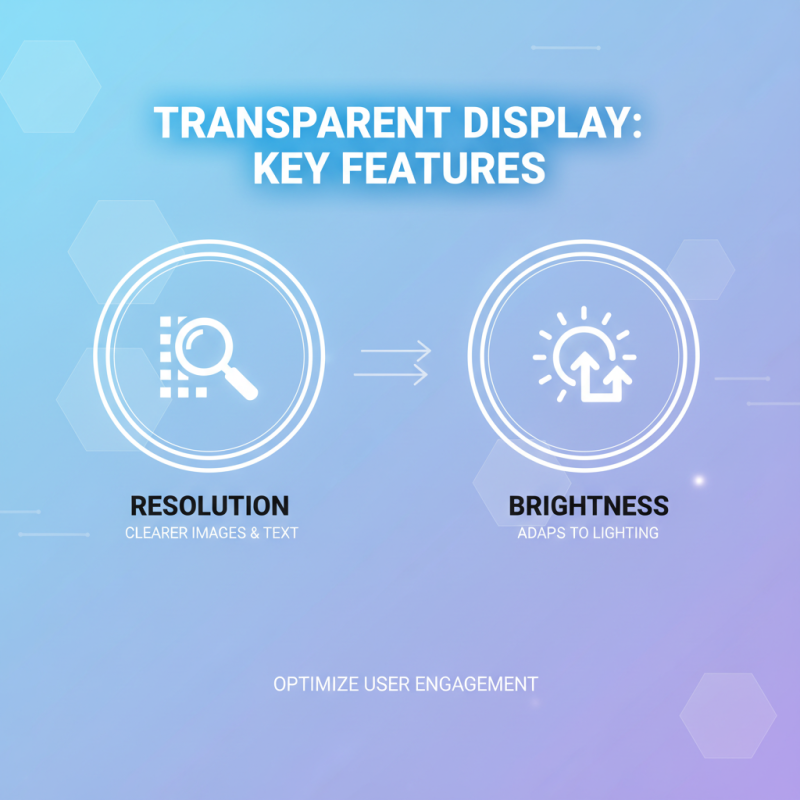
When considering a transparent display, it’s crucial to evaluate key features that align with your specific needs. The resolution is one of the most significant aspects; higher resolution displays provide clearer images and text, enhancing user engagement. Another important factor is brightness, especially in environments with varying lighting conditions. A display that can adapt to different lighting will ensure clear visibility at all times.
Tips: Look for displays with adjustable brightness settings to cater to both dim and brightly lit spaces.
Interactivity is also a vital feature to consider. Many transparent displays now offer touch capabilities, allowing users to interact directly with the content. This can elevate the user experience significantly, especially in retail or educational settings where engagement is key. Additionally, consider the size and aspect ratio that best fits your application—whether for a storefront window or an exhibition booth, the right dimensions can make a considerable impact.
Tips: Before finalizing your choice, determine how much space you have and whether you need a standard or a custom size.
Comparing Transparent Displays: Pros and Cons of Different Models
When considering transparent displays, it's essential to weigh the pros and cons of various models to determine which best suits your needs. One of the primary advantages of transparent displays is their innovative design, which allows users to view digital content while still seeing the physical environment behind the screen. This feature is especially beneficial in retail settings, where it can enhance customer engagement by showcasing products creatively. Additionally, transparent displays can foster a unique experience in exhibitions and museums, allowing for interactive displays without blocking views or obstructing spaces.
On the flip side, transparent displays may present certain challenges. Their visibility is often affected by ambient light conditions; in brightly lit environments, the clarity of the display can diminish, reducing the impact of the visuals. Moreover, achieving a balance between transparency and display quality can lead to compromises in color vibrancy and brightness, which are crucial for an optimal viewing experience. Different models may also vary significantly in their durability and adaptability, making it crucial to assess how they can be integrated into specific applications. Understanding these nuances will help users make an informed choice that aligns with their functional and aesthetic requirements.
Application Areas for Transparent Displays: Finding Your Ideal Use Case
Transparent displays offer a unique blend of functionality and innovation, with applications spanning various industries. One of the most prominent use cases is in retail environments, where these displays can transform storefronts into engaging digital experiences. By providing a clear view of products while also presenting dynamic content, retailers can attract customer attention and enhance the shopping experience. This technology can be particularly effective in showcasing promotional videos or interactive displays that encourage passersby to enter the store.
Another significant application area for transparent displays is in the automotive sector. As vehicle design evolves, integrating transparent screens into dashboards and windshields can improve driver information delivery while maintaining visibility. These displays can project essential data like navigation, speed, and notifications directly onto the glass, enabling a seamless and safer driving experience. Furthermore, transparent displays can revolutionize transportation design in public spaces, allowing commuters to access real-time information without obstructing their sightlines.
In corporate settings, transparent displays can serve as cutting-edge tools for presentations and collaboration. Meeting rooms equipped with these displays can facilitate innovative brainstorming sessions, providing virtual notes and ideas while maintaining an open environment. The ability to merge physical and digital elements enhances communication and creativity, making transparent displays an ideal choice for modern workplaces looking to embrace advanced technology.
2025 Transparent Displays: Application Areas and Popularity
Budgeting for Your Transparent Display: Cost vs. Performance Considerations
When considering a transparent display, one of the first factors to evaluate is budgeting. The cost of transparent displays can vary significantly based on size, technology, and features. It’s crucial to determine your budget upfront to avoid overspending on features that may not be necessary for your needs. Compare the price points of different models and weigh them against the functionalities they offer. A transparent display that fits your financial constraints while still meeting performance expectations is essential for maximizing your investment.
Performance is another vital consideration when budgeting for a transparent display. Higher-priced models often come equipped with advanced features such as better resolution, brightness, and connectivity options. However, it’s important to assess what you realistically need. For example, if your primary use is for informational displays in retail, you may not require the highest resolution available. Instead, look for a model that strikes a balance between affordable pricing and adequate performance for your specific application, ensuring that you get the best value for your budget without compromising on quality.
2025 Guide: How to Choose the Best Transparent Display for Your Needs
| Model |
Price ($) |
Screen Size (inches) |
Resolution |
Brightness (nits) |
Weight (lbs) |
Performance Rating (1-5) |
| Transparent Display A |
3500 |
32 |
2560 x 1440 |
300 |
25 |
4 |
| Transparent Display B |
4500 |
55 |
3840 x 2160 |
500 |
40 |
5 |
| Transparent Display C |
2800 |
28 |
1920 x 1080 |
250 |
20 |
3 |
| Transparent Display D |
5000 |
65 |
5120 x 2880 |
600 |
50 |
5 |



















 Screen Size Calculator