2026 Best Digital Screen Innovations to Look Out For?
The digital screen industry is poised for remarkable innovations in 2026. Experts forecast an impressive growth rate, with the digital display market expected to reach $210 billion by 2026. This growth is driven by advancements in technology and increasing demand across various sectors. Sandy Liu, a prominent analyst in the industry, states, "Digital screens are transforming the way we interact with our environment."
As brands seek to engage consumers more effectively, the design and functionality of digital screens are evolving. Expect to see flexible displays and enhanced interactivity leading the charge. Reports suggest that OLED and microLED technologies will dominate, offering better colors and energy efficiency. However, with such rapid advancement comes the challenge of ensuring compatibility and sustainability.
While the opportunities are significant, there are concerns. Not all innovations are universally beneficial. Some may raise privacy issues or create dependency on screens. The industry is at a crossroads, where progress must also consider ethical implications. As we look forward to 2026, the digital screen landscape will require careful scrutiny and thoughtful implementation.
Emerging Technologies Shaping Digital Screens in 2026
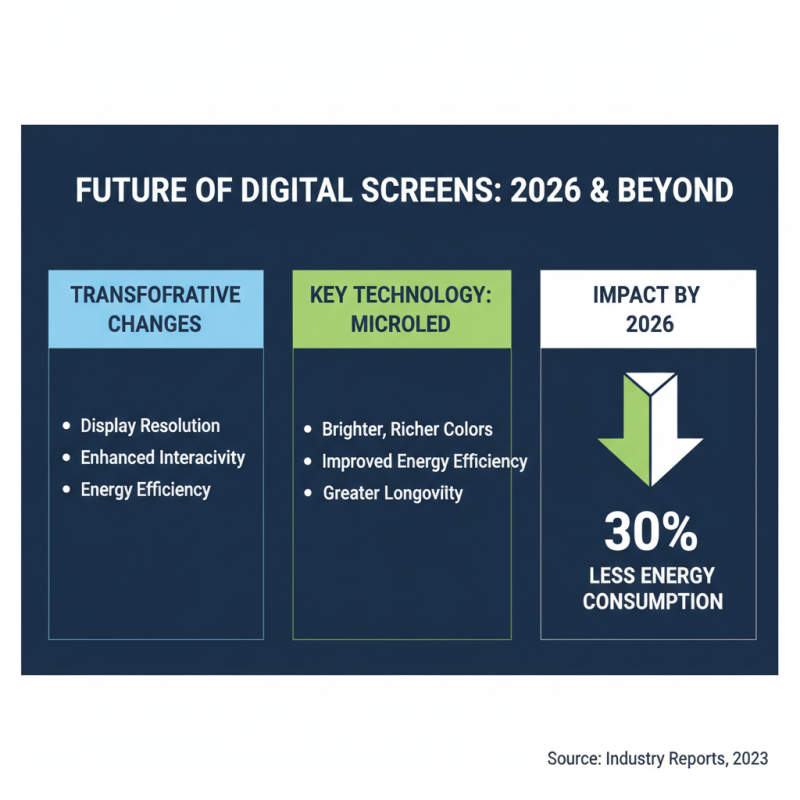
The digital screen landscape is set for transformative changes by 2026. Emerging technologies in display resolution and interactivity will play a significant role. According to recent industry reports, microLED technology is expected to gain traction, offering brighter colors and more energy efficiency. This innovation may reduce energy consumption in screens by nearly 30%.
However, the shift to higher resolutions raises concerns. While 8K displays promise stunning visuals, they require massive data bandwidth. Many users may struggle with internet speeds that can support such high-resolution streaming. Additionally, concerns about screen fatigue are also on the rise, prompting discussions on how to balance screen time with user well-being.
Interactive surfaces will redefine user engagement. Touch-sensitive screens will become more prevalent in public spaces. Reports suggest that by 2026, tactile feedback technologies could enhance user interactions. Yet, this also raises questions about privacy and data security. As technology evolves, the implications for personal information must be critically addressed. The drive towards innovation comes with necessary reflections on its impact on daily life.
Next-Generation Display Technologies: OLED, MicroLED, and Beyond
Next-generation display technologies are set to revolutionize how we interact with digital screens. OLED and MicroLED are at the forefront. OLED displays feature vibrant colors and deep blacks. They also consume less power and offer flexibility in design. This means screens can be curved or even foldable. The vivid quality of OLED is a game-changer for smartphones and televisions.
MicroLED is opening new doors as well. This technology offers even higher brightness and efficiency. MicroLED panels consist of tiny, self-emitting LEDs. They can produce stunning visuals with rich detail. However, production costs remain a challenge. The complexity of manufacturing these tiny components can lead to inconsistencies. Achieving large screens with flawless performance is still a work in progress.
Exploring beyond these technologies, innovations like Mini-LED are also emerging. They provide better contrast and color accuracy. Yet, they can’t fully match the performance of OLED and MicroLED. As we look ahead, the quest for the perfect display continues. Each technology presents unique advantages and obstacles. It’s clear that the future of digital screens is both exciting and uncertain.
Enhanced Interactivity: Touch and Gesture Recognition Innovations
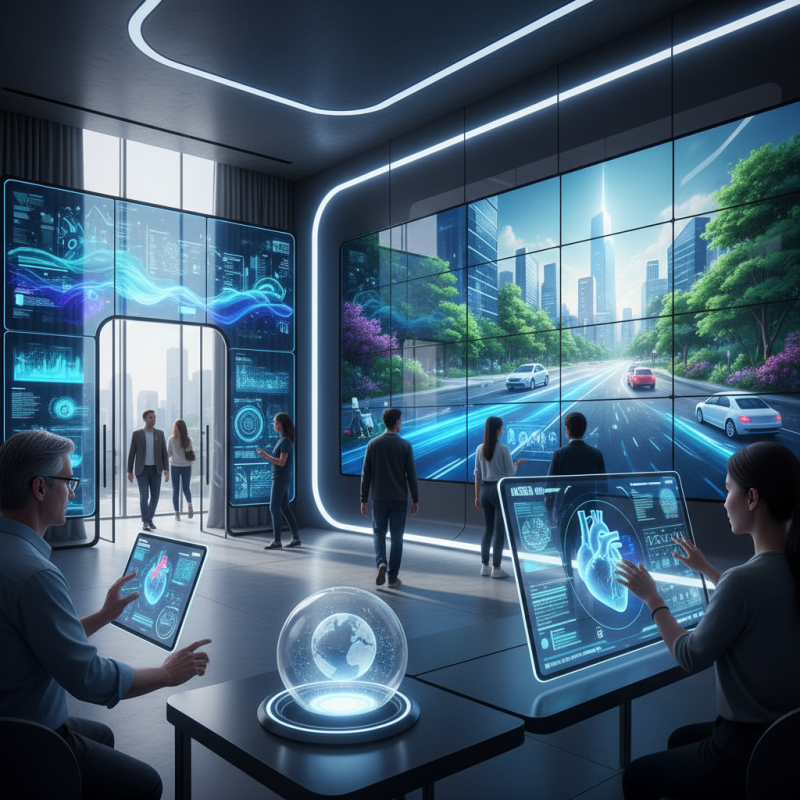
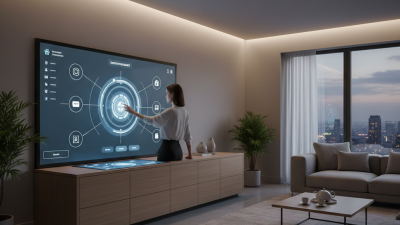
In 2026, the world will witness exciting advancements in digital screens. Enhanced interactivity is a key focus, particularly in touch and gesture recognition. These innovations can transform how users engage with technology. Imagine a screen that responds to a simple wave of your hand. It creates a seamless interaction experience, where navigation feels intuitive.
Many of these technologies promise to reduce physical touch. Users might feel a sense of freedom in how they control their devices. Yet, this shift may not be flawless. Challenges like sensitivity levels and accidental gestures could frustrate users. Feedback is essential for improvement, ensuring the technology adapts to diverse environments.
Additionally, enhancing gesture recognition requires understanding human movement. Designers must consider how people naturally interact. It's a balance between innovation and user comfort. Too complex gestures may alienate some users. So, while the future looks bright, reflection on usability is crucial. Striving for perfection can lead to unexpected obstacles amidst the excitement of new possibilities.
2026 Best Digital Screen Innovations: Enhanced Interactivity
Sustainability in Screen Manufacturing: Eco-Friendly Innovations
The digital screen industry is evolving rapidly, with sustainability becoming a focal point. Eco-friendly innovations in screen manufacturing are gaining traction. A report from the Global Industry Analysts indicates that sustainable materials can reduce production waste by up to 30%. This shift addresses consumer demands for green products.
Recycling is essential. Industry experts note that using recycled plastics can cut carbon emissions by 20%. However, challenges remain. Not all manufacturers have adopted these practices. Many still rely on non-renewable materials. Without action, the environmental impact will worsen.
Tips: Think before you buy. Look for screens made from recycled materials. Do your research and support brands that prioritize sustainability. Small choices can lead to big changes. Every decision counts. Innovating for a greener future requires commitment from both producers and consumers.
Future of Augmented and Virtual Reality Displays in 2026
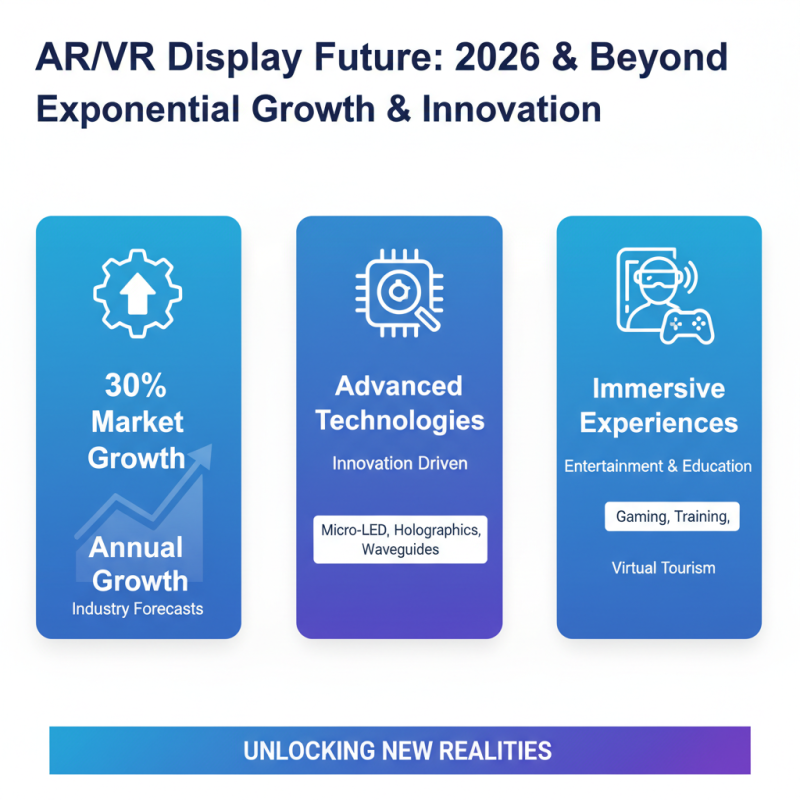
The future of augmented and virtual reality displays in 2026 looks extremely promising. Industry reports forecast a market growth of over 30% per year. Innovations in display technologies will drive this change. More immersive experiences will become available for both entertainment and education.
In 2026, we can expect lightweight AR glasses that provide high-resolution visuals. These devices will seamlessly integrate digital information with the real world. A study predicts that AR applications in education alone could boost engagement levels by 70%. Yet, concerns over usability remain. Not everyone finds these devices comfortable or intuitive.
**Tip:** When trying AR, start with short sessions. This helps your brain adapt without discomfort.
Virtual reality will also evolve. Displays will have clearer visuals with less motion blur. However, challenges like user fatigue and space constraints persist. An estimated 25% of users report motion sickness with current VR systems. Developers must overcome these hurdles to improve adoption rates.
**Tip:** Always take breaks while using VR. It helps reduce strain and keeps the experience enjoyable.
As these technologies advance, improvements will enhance everyday life. Yet, the balance between seamless interaction and user comfort still needs attention. The potential is great, but user experience must drive development.
















 Screen Size Calculator