10 Best Touch Display Technologies You Should Know?
In today’s digital landscape, touch display technologies have revolutionized user interactions. They enhance our experiences with devices, from smartphones to interactive kiosks. The innovative designs capture our attention and bring a new level of convenience.
However, not all touch display technologies are created equal. Some struggle with sensitivity while others may have durability issues. It's crucial to recognize these differences when selecting a touchscreen for your needs. In this context, understanding the top touch display options available becomes essential.
As technology evolves, manufacturers are challenged to constantly improve their touch display solutions. Some technologies excel in brightness and clarity, while others focus on multi-touch capabilities. This ongoing competition drives progress, yet also invites reflection on the balance between performance and cost. Knowing the best touch display technologies can guide users toward a more rewarding experience.

Overview of Touch Display Technologies
Touch display technologies have revolutionized user interaction with devices. These displays can recognize inputs like taps, swipes, and gestures. Each technology has unique benefits and drawbacks, impacting usability and experience.
Resistive touch screens are common in various devices. They are affordable and work well with any stylus. However, they require more pressure to register input, which can be inconvenient.
Capacitive touch screens are more responsive and support multi-touch gestures. Yet, they may not work with gloves or non-conductive objects.
When choosing a touch display technology, consider your needs. Think about the environment where the device will be used. If it’s a harsh setting, durability is crucial. On the other hand, for casual use, responsiveness may matter more. Pay attention to the latest innovations too. Technologies like in-cell and on-cell displays are gaining traction. They integrate touch sensors with the display layer, improving design and performance.
Tips: Testing different technologies can help you decide. Visit stores and try devices yourself. Additionally, read user reviews for real-world insights. Understanding the pros and cons of touch technologies will enhance your experience.
Resistive vs. Capacitive Touch Screens: Key Differences
When exploring touch screen technologies, one must understand the differences between resistive and capacitive screens.
Resistive screens respond to pressure, making them versatile for various applications. Users can interact with them using any object, even a stylus or gloved hands. This makes them suitable for environments where moisture or dirt might hinder performance. However, they typically offer lower sensitivity and require more force to register touches.
On the other hand, capacitive screens use electrical properties to detect touch. They are more sensitive and respond with a light tap. This technology captures multiple touches, making it ideal for modern smartphones and tablets. Capacitive screens often provide a better visual experience, with vibrant colors. Yet, they may struggle in wet conditions and require clean, bare fingers for accuracy.
Both technologies have advantages and downsides. For instance, some users might prefer the tactile feedback of resistive screens, while others may enjoy the sleekness of capacitive options. Evaluating these aspects can help in making informed decisions for specific needs.
Emerging Touch Screen Technologies: Trends to Watch
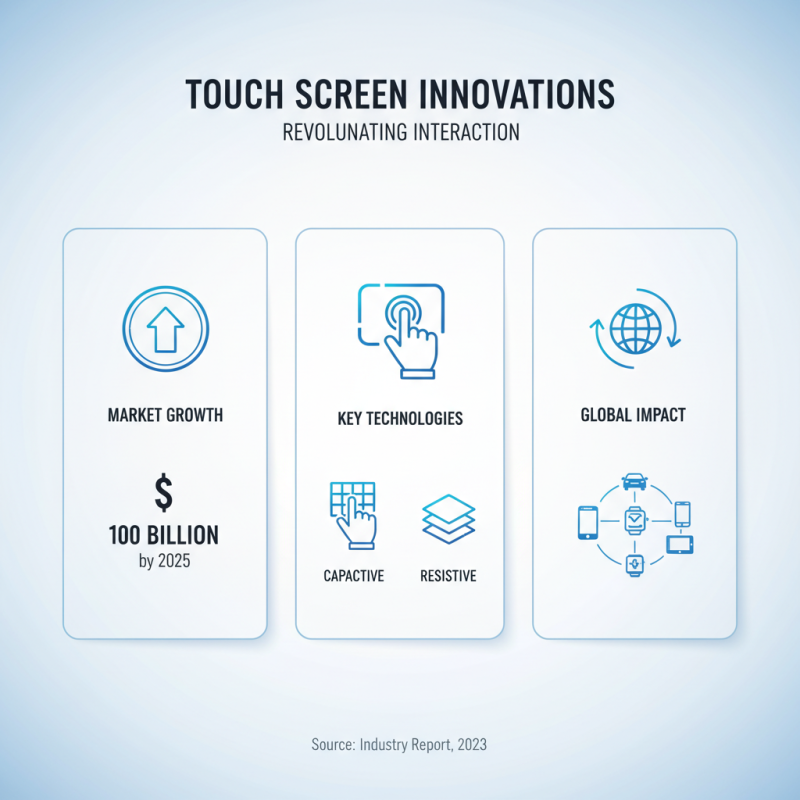
Emerging touch screen technologies are revolutionizing user interaction. A recent report indicates that the global touch screen market is projected to reach $100 billion by 2025. This growth is driven by advancements in various touch technologies, such as capacitive and resistive screens.
One of the most noteworthy trends is the development of flexible display technologies. These screens can be bent and shaped, opening new possibilities for product design. For instance, some designers envision foldable tablets and smartphones, enhancing portability without sacrificing functionality. This trend may redefine user expectations with technology.
Tip: Keep an eye on the integration of gesture recognition. It allows users to control devices without physical contact. It enhances usability, especially in public spaces. Another emerging technology is ultra-thin touch sensors. They promise improved responsiveness while maintaining a sleek design.
However, challenges remain. The durability of new materials and touchscreen experiences can vary. Ensuring a seamless interaction remains a key concern. Developers must balance innovation with practicality to meet consumer demands. Balancing creativity and reliability in touch technologies is essential for future growth.
Applications of Touch Display Technologies in Various Industries
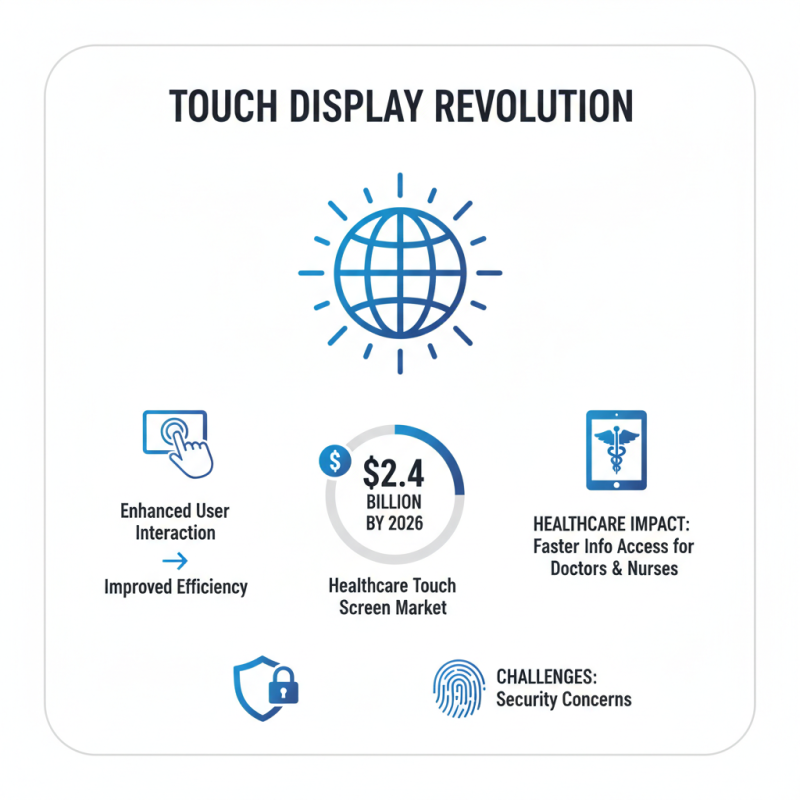
Touch display technologies are revolutionizing industries around the globe. They enhance user interaction and improve efficiency. In healthcare, for instance, touch screens are increasingly vital. A report from MarketsandMarkets indicates that the healthcare touch screen market is expected to reach $2.4 billion by 2026. These displays streamline processes, enabling doctors and nurses to access patient information quickly. However, their implementation has not been without challenges. Security concerns often arise when using touch interfaces in sensitive environments.
In retail, touch displays are changing the shopping experience. Customers can browse products more interactively. According to a study by Insider Intelligence, 20% of retail sales will occur through e-commerce channels by 2024. Touch technology allows for easy access to online inventories, which can improve customer satisfaction. Yet, there are ongoing discussions about over-reliance on technology. Are we losing the personal touch that makes shopping a unique experience? The balance between technology and human interaction remains a crucial consideration for retailers.
The education sector also benefits from touch display technologies. Interactive whiteboards are becoming common in classrooms. They engage students and promote collaborative learning. A report by ResearchAndMarkets estimates that the global interactive displays market in education will grow significantly. Still, educators must reflect on potential distractions that touch displays can create. Are students focusing on learning, or are they becoming absorbed in the device itself? This question needs ongoing attention as technology evolves.
Future Innovations and Challenges in Touch Display Technology
The future of touch display technology is both exciting and daunting. Innovations are rapidly transforming how we interact with devices. Current touch screens are becoming more responsive, but challenges remain. Issues like glare and sensitivity need to be addressed. Developers strive to improve user experience, yet many existing technologies fall short of expectations.
As touch displays evolve, advancements in haptic feedback promise a more tactile experience. Users want to feel a response, enhancing their connection with devices. However, achieving the perfect balance between touch sensitivity and haptic feedback is hard. Some technologies produce feedback that feels artificial or unconvincing.
Moreover, integrating touch displays with emerging technologies like augmented reality poses significant challenges. The need for precision and clarity becomes crucial. Display resolutions must keep up with user demands. Still, there are moments of frustration, as not every innovation hits the mark. Recognizing these shortcomings can drive future improvements, ultimately shaping a more user-friendly experience.


















 Screen Size Calculator