How to Choose the Best Outdoor Monitor for Your Needs?
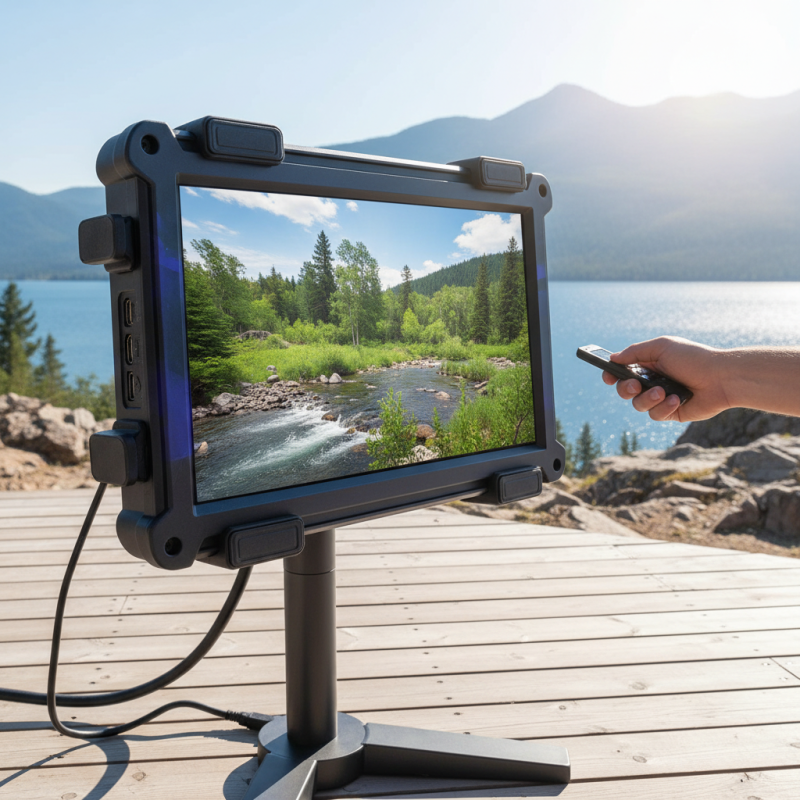
Choosing the best outdoor monitor can be challenging. You want a screen that withstands the elements. An outdoor monitor must be bright enough for sunlight. You also need to consider durability. Is the monitor weatherproof? Look for features like UV protection and robust construction.
In addition, think about the resolution you need. A higher resolution can enhance clarity. However, that may increase costs. You might find models that offer great value without all the bells and whistles. Balance is key.
Don’t forget about connectivity. Check for options like HDMI and Wi-Fi. Some users prefer wired connections for their reliability. Others want the freedom of wireless settings. Reflect on what suits your needs best. Finding the perfect outdoor monitor requires thought. It's not just about features; it's about how you will use it.
Understanding Your Outdoor Monitoring Needs
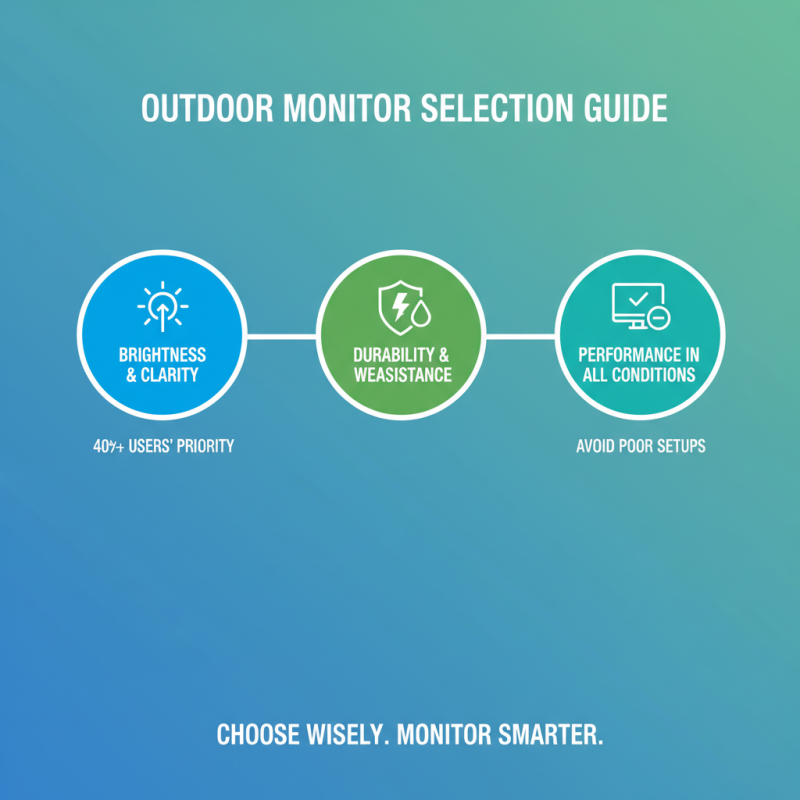
Choosing the right outdoor monitor starts with understanding your specific monitoring needs. According to industry reports, more than 40% of users prioritize visibility and clarity in their setups. Factors like brightness levels, durability, and weather resistance are crucial. Many users overlook the importance of these features, leading to poor performance in various conditions.
Environmental challenges can greatly impact usability. For instance, monitors exposed to direct sunlight may need brightness levels exceeding 2,500 nits for optimal visibility. Surprisingly, only 30% of users consider screen glare when making decisions. Additionally, rugged features are essential. A study found that nearly 25% of outdoor monitors fail due to weather exposure within the first year. This emphasizes the need for proper materials and robust designs.
Choosing the right size is also vital. A monitor that is too small may not be visible from a distance. Conversely, large screens can lead to unnecessary costs. Understanding your space is necessary for effective deployment. Many users forget to assess their surroundings properly, resulting in decisions that may not fit their needs. It's worth reflecting on these aspects before making a purchase.
Evaluating Different Types of Outdoor Monitors
When selecting an outdoor monitor, it's crucial to evaluate the different types available. There are three main categories: standard outdoor displays, high-brightness monitors, and smart outdoor screens. Each type serves distinct needs.
Standard outdoor displays typically boast weatherproof features, suited for mild environments and sheltered areas. However, they may struggle with extreme sunlight.
High-brightness monitors are built for sunny locations. They can reach brightness levels of up to 3000 nits, which helps visibility in direct sunlight. Yet, these monitors can be more energy-consuming than others. Choosing high-brightness may inflate electricity costs.
Smart outdoor screens offer additional functionality. They often include internet connectivity and touch capabilities. Still, maintaining their performance during rain or snow presents a challenge. Some users report issues with screen responsiveness after adverse weather. Knowing these nuances helps you make an informed choice. Balancing these factors is vital for meeting specific outdoor requirements.
Key Features to Consider in an Outdoor Monitor
When selecting an outdoor monitor, brightness is paramount. A brightness level of 2000 nits or higher is ideal for direct sunlight. Many users underestimate this need. A dim screen will lead to frustration and poor usability. Research shows that over 40% of users abandon outdoor tech due to visibility issues.
Weatherproofing is crucial as well. Look for monitors with high IP ratings, such as IP65 or IP68. These ratings indicate resistance to dust and water. A standard non-weatherproof monitor will fail quickly in outdoor settings. For instance, studies reveal that exposure to moisture reduces a monitor's lifespan by 60%.
Finally, consider the mounting options. VESA compatibility offers flexibility in installation. Many outdoor areas have unique requirements. Relying solely on one mounting style can be limiting. Data shows that improper installation leads to damage in 30% of outdoor displays. Evaluation of potential installation locations is essential. Think about how the weather and environment will impact your choice.
How to Choose the Best Outdoor Monitor for Your Needs? - Key Features to Consider in an Outdoor Monitor
| Feature |
Description |
Importance Level |
| Brightness |
Measured in nits, brightness is critical for visibility in direct sunlight. |
High |
| Weather Resistance |
An outdoor monitor should have an IP rating to withstand rain, dust, and extreme temperatures. |
High |
| Viewing Angle |
A wider viewing angle ensures that the display can be seen from various positions. |
Medium |
| Resolution |
Higher resolution ensures better image clarity and detail. |
Medium |
| Connectivity |
Options like HDMI, USB, and Wi-Fi are important for ease of use. |
High |
| Anti-Glare Screen |
Reduces reflections and enhances visibility in bright environments. |
High |
| Mounting Options |
Versatile mounting options provide flexibility in installation. |
Medium |
Assessing Weather Resistance and Durability
When selecting an outdoor monitor, weather resistance and durability are crucial factors. Industry reports indicate that nearly 60% of outdoor displays fail due to environmental stressors like moisture and temperature fluctuations. A device needs to withstand rain, UV rays, and extreme temperatures. High-quality monitors often have an IP rating, showcasing their water and dust resistance. For instance, an IP66 rating means complete protection against dust and powerful water jets.
Another critical aspect is build quality. Materials that can handle direct sunlight without degrading are essential. Monitors made with stainless steel or reinforced glass tend to perform better. Rough outdoor conditions can lead to scratches and other damages. Some reports suggest that screens with protective coatings can reduce the chances of physical wear by up to 50%. However, not all manufacturers provide adequate durability specifications, leaving users uncertain about performance longevity.
Temperature regulation is a less-discussed yet vital feature. Monitors exposed to extreme cold or heat may experience reduced functionality. A study from a leading technology firm found that displays operating outside the recommended temperature range could fail 30% faster than their indoor counterparts. Users need to assess whether the monitor can handle their specific climate conditions effectively.
Comparing Price and Brand Options for Outdoor Monitors
When choosing an outdoor monitor, price and brand are crucial factors. The market offers various options, each with unique features. Some models may boast high brightness and weather resistance, but come at a premium. Others may be affordable yet lack durability. Explore different price ranges to find the best fit for your budget.
Brand reputation also plays a role. Some brands have a strong history of reliability in outdoor settings. However, newer brands might innovate and provide better technology at lower prices. It's essential to research customer reviews. This could lead to discovering hidden gems that perform well but are less popular.
Quality is key, but affordability matters too. Sometimes, paying slightly more for better support and warranty is wise. In contrast, some budget monitors might disappoint over time. Weigh your options carefully and consider where you'll install the monitor. In the end, the perfect choice balances quality, price, and brand trust.
Comparison of Key Features for Outdoor Monitors



















 Screen Size Calculator