Why Choose LCD Display for Your Business Needs?
In today's competitive market, choosing the right display technology is crucial for any business. An LCD display stands out as an excellent choice for various applications. These screens provide vibrant visuals and are energy-efficient, enhancing your brand presentation.
Many industries can benefit from LCD displays, from retail to education. Their versatility allows for engaging content delivery, catching customers' attention effectively. Businesses should also consider factors like screen size and resolution to meet specific needs.
However, not all LCD displays are created equal. Potential buyers must evaluate performance, durability, and cost. Investing in high-quality displays can lead to long-term benefits, but it requires careful consideration. Thus, understanding your unique requirements is key to making the right choice.
Benefits of LCD Displays in Business Environments
LCD displays offer numerous advantages in business environments. Their clarity and brightness make information easily visible, even in well-lit spaces. This feature enhances presentations and customer interactions. High-resolution images attract attention, leading to improved engagement with clients.
Tip: Always consider the size and placement of your LCD display. A larger screen can provide better visibility, while strategic positioning ensures all viewers have a clear line of sight.
Moreover, LCD displays consume less power than other technologies. This efficiency translates into reduced energy costs for businesses. Long-lasting performance reduces the frequency of replacements, saving resources and time. However, some may find initial investment costs daunting.
Tip: Evaluate energy savings over time. A higher upfront cost might lead to long-term financial benefits.
Flexibility is another key benefit. LCD displays can be used for various purposes, from digital signage to meeting room presentations. Different orientations and mounting options enhance their utility. A challenge, however, is managing screen glare, which might obstruct visibility.
Tip: Adjust the angle of the screen to minimize glare. Testing different positions can lead to optimum viewing experiences.
Cost Efficiency: Analyzing LCD Display Pricing and Operational Costs
When analyzing the costs of LCD displays, businesses often find them to be a cost-effective choice. According to a recent report by the International Data Corporation (IDC), the prices for LCD panels have decreased by approximately 30% over the past five years. This decline enables companies to allocate budgets more efficiently, allowing them to invest in other essential areas.
Operational costs associated with LCD displays are also favorable. A study by the Consumer Electronics Association (CEA) noted that energy consumption for LCD technology is often lower than that of other display types. The report highlights that LCD displays typically consume 30-50% less energy, leading to savings on electricity bills, especially for businesses that operate displays for prolonged hours.
While the initial investment may still be significant, the longevity and low maintenance costs of LCDs can ultimately lead to a positive return on investment. It is important for businesses to analyze their specific needs and usage patterns. Understanding the total cost of ownership is crucial. A miscalculation here can lead companies to overlook more economical long-term options. Therefore, considering all facets of pricing and operational costs is essential for informed decision-making.
Enhancing Visual Clarity: LCD Technology and Display Quality Metrics
When it comes to enhancing visual clarity, LCD technology stands out for its versatility. The brightness levels and color accuracy of LCD displays make them suitable for various business applications. In environments where crisp visuals are essential, such as design studios or retail spaces, LCDs excel. The vibrant colors and detailed images captivate viewers, encouraging engagement and interaction.
Display quality metrics play a crucial role in the effectiveness of any visual technology. Key metrics like contrast ratio and response time are critical when evaluating LCD displays. A higher contrast ratio ensures that blacks appear deeper and whites are brighter, adding depth to images. Keeping these metrics in check can lead to better presentations, especially in high-stakes environments. However, it’s important to note that excessive brightness can sometimes cause glare, diminishing the viewing experience.
In addition to technical specifications, user feedback is often overlooked. The comfort of the viewer is equally important. Prolonged exposure to glaring screens can lead to strain and discomfort. This highlights the need for thoughtful placements and configurations in workspaces. Balancing visual quality with user experience can be challenging, but it is essential for maximizing productivity.
Energy Consumption Benefits: Comparing LCD and Alternative Display Technologies
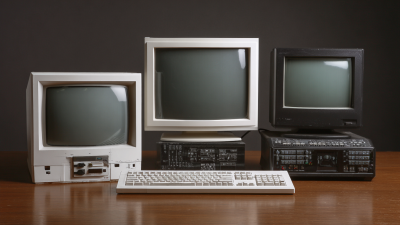
When considering display technologies, energy consumption plays a crucial role. LCD displays are known for their efficiency. According to a report from the International Energy Agency, LCDs consume significantly less power compared to older technologies like CRTs. For instance, LCD displays use about 50% less energy than their CRT counterparts. This reduction directly impacts operational costs for businesses.
In addition, the environmental implications are essential to note. An LCD display typically has a longer lifespan and requires less energy over time. A study by the Consumer Electronics Association highlights that LCDs have a typical lifespan of 60,000 hours, compared to the 30,000 hours offered by plasmas. This longevity translates into lower replacement rates and waste, making LCDs a smarter choice.
Moreover, while LCDs may have a higher upfront cost, their energy efficiency pays off. Businesses can reduce not only their electricity bills but also their carbon footprint. A report from the Carbon Trust estimates organizations can cut their energy consumption by up to 30% by switching to energy-efficient displays. This longer-term perspective adds to the attractiveness of LCD technology in today's eco-conscious market.
Durability and Longevity: Industry Standards for LCD Display Lifespan
Choosing LCD displays for business needs offers many advantages. A significant factor is their durability and longevity. Modern LCD technology is designed to withstand rigorous usage. Many displays have a lifespan of over 50,000 hours. This means you can rely on them for years without significant degradation.
However, attention to environmental factors is crucial. High humidity or extreme temperatures can impact performance. Regular maintenance ensures optimal performance. Dust accumulation can harm display quality over time. It's important to establish a cleaning routine. This will enhance the lifespan further.
Moreover, while LCD displays are generally robust, occasional issues can arise. Color accuracy may fade without proper calibration. Frequent usage in demanding environments may require more frequent replacements than anticipated. Understanding these nuances can help businesses make informed decisions. Investing in LCD technology is not just about immediate needs, but long-term reliability and cost-effectiveness.
Why Choose LCD Display for Your Business Needs? - Durability and Longevity: Industry Standards for LCD Display Lifespan
| Aspect |
Description |
Lifespan (Years) |
Common Uses |
| Durability |
Resistant to shock and vibration, making it suitable for various environments. |
5-10 |
Industrial equipment, retail displays |
| Longevity |
Typically longer lifespan compared to CRTs and lower maintenance costs. |
10-15 |
Office monitors, digital signage |
| Energy Efficiency |
Lower power consumption compared to older display technologies. |
N/A |
Home and office use |
| Versatility |
Available in various sizes and resolutions to fit different applications. |
5-20 |
Televisions, smartphones |




















 Screen Size Calculator