Why Choose a Touch Panel for Your Business Needs?
In today's fast-paced business environment, technology plays a crucial role in enhancing efficiency. A touch panel is an innovative tool that many companies are adopting. It offers a user-friendly interface that simplifies interactions, making operations smoother.
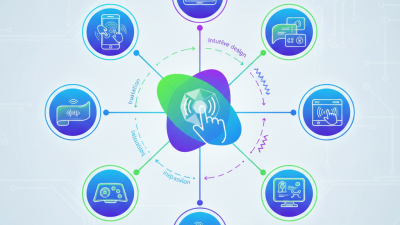
Businesses often face challenges in communication and data management. A touch panel addresses these issues effectively. Imagine a meeting room where presentations are more interactive thanks to intuitive touch controls. Employees can engage more easily, sharing ideas in real time. These panels can streamline workflows, reducing time spent on mundane tasks.
However, the choice to implement a touch panel is not without its challenges. Issues like touch sensitivity and software compatibility can arise. Organizations should evaluate their specific needs carefully before making the switch. Balancing benefits with potential hurdles is key to successful integration.
Advantages of Touch Panels for Business Applications
Choosing a touch panel for business applications can significantly enhance operational efficiency. Touch panels facilitate quick interactions, improving overall workflow. Their intuitive design ensures users need minimal training. Employees can navigate systems smoothly. This seamless experience can boost productivity levels.
Consider the physical environment when selecting touch panels. They need to withstand everyday usage. For instance, in a busy retail store, a durable and responsive screen can handle frequent interactions. The right panel can reduce downtime during critical business hours. It’s essential to evaluate factors like screen sensitivity and resilience.
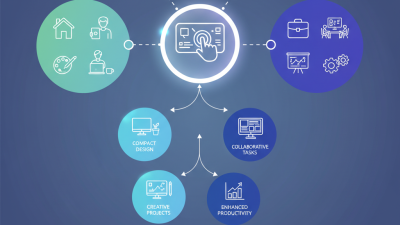
Investing in touch panels also encourages collaboration. Teams can interact directly with digital content. This engagement fosters innovation and idea sharing. Installing user-friendly software can simplify project management and enhance communication. A touch panel transforms how teams brainstorm and execute projects. Regularly reviewing system use can help identify areas for improvement.
Variety of Touch Panel Technologies Available
Touch panels have revolutionized how businesses interact with technology. These versatile devices come in various types, each designed to meet different operational needs. Capacitive touch panels are popular for their responsiveness and accuracy. They utilize the electrical properties of the human body, providing a seamless experience for users.
Resistive touch panels, on the other hand, are more affordable and durable. They work by detecting pressure, making them ideal for environments that require heavy-duty use, such as warehouses or factories. This variety allows businesses to choose a solution that aligns with their specific requirements. However, each technology has its limitations; capacitive panels may struggle with wet conditions, while resistive panels may fall short in touch sensitivity.
Choosing the right technology isn't easy. The decision involves assessing the environment and user interactions. Businesses often overlook the importance of testing different technologies. A hands-on approach can reveal unseen advantages or drawbacks. Understanding the capabilities and limitations of each type is crucial. This reflective process ensures businesses invest wisely and optimize their touch panel usage for maximum efficiency.
Factors to Consider When Choosing a Touch Panel
When selecting a touch panel for your business, several factors come into play. One main consideration is the size and resolution. A report by IDC
indicates that 70% of consumers expect high-definition displays. This expectation grows significantly in interactive settings. Clear and vibrant displays
enhance user experience.
Next, durability is critical. Many industries require robust solutions. Touch panels endure constant usage, so materials matter. Studies suggest
that panels with anti-glare and scratch-resistant coatings extend lifespan. Choosing the right build can save long-term costs.
Tip: Always test a touch panel in real-world settings. Some devices may perform well in demos but fail under continuous use.
Responsiveness is another factor. The quality of touch sensitivity impacts user engagement. According to research by Gartner, slow response times
can lead to a 30% drop in customer satisfaction. Prioritizing responsiveness leads to better interactions.
Tip: Evaluate touch panels with different gestures. Pinch-to-zoom and swipe functionalities often predict usability.
Considering these factors ensures your choice aligns with both user expectations and business goals. In a rapidly evolving tech landscape, informed
decisions can set your business apart.
Integrating Touch Panels into Existing Systems
Integrating touch panels into existing systems can enhance efficiency. They offer intuitive interfaces, making interactions more user-friendly. Employees often find them easier to navigate compared to traditional systems. This transition can, however, present challenges.
Training staff on new technology is essential. Not every employee may adapt quickly. Some may face difficulties understanding the touch interface. It is beneficial to provide resources and generate feedback to address their concerns. This approach helps build confidence in using the new system.
Tips for successful integration include assessing the current setup. Identify areas where touch panels can add value. Gathering input from team members is crucial. Encourage open communication to gather insights on the integration process. Continuous evaluation will highlight areas for improvement. Prioritize ongoing training sessions to ensure everyone remains comfortable with the technology. This reflective approach can ease the transition and increase productivity.
Future Trends in Touch Panel Technology for Businesses
Touch panel technology is rapidly evolving, reshaping how businesses interact with customers and streamline operations.
The integration of touch panels in various environments enhances user engagement.
For instance,
interactive kiosks in retail settings provide customers with instant access to product information.
This immediacy helps drive sales and improves the overall shopping experience.
As we look ahead, businesses must consider the latest trends in touch panel technology.
Advances in haptic feedback can enhance user interaction, adding a tactile element.
Imagine a customer feeling a virtual button respond under their fingers.
This can create a more immersive experience.
Moreover, new materials like anti-microbial coatings address hygiene concerns, significant in health-sensitive environments like restaurants and hospitals.
However, not all businesses may be ready to adopt these innovations.
Some may struggle with the installation and integration of complex systems.
Others may have concerns about training staff to use new technologies effectively.
Balancing technology adoption and operational capabilities is crucial for success.
Achieving the right blend will determine if businesses can leverage these advancements to their advantage.



















 Screen Size Calculator