How to Choose the Best LCD Panel for Your Needs?
Choosing the right LCD panel can significantly impact your viewing experience, whether for gaming, professional work, or casual entertainment. Expert John Smith, a well-known figure in display technology, emphasizes, “Selecting the right LCD panel enhances not just the visuals, but the overall experience.” His words remind us of the importance of understanding types, specifications, and personal needs.
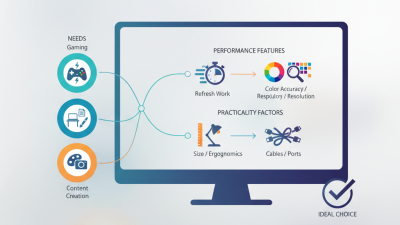
In the world of LCD panels, variety can be overwhelming. Different sizes, resolutions, and refresh rates cater to diverse requirements. Knowing what matters most to you is crucial. For gamers, a higher refresh rate is vital. For graphic designers, color accuracy is key.
Consider how often you use your display. You'll require distinct features based on daily use. Budget constraints also play a role. An ideal choice balances performance with cost. Finding that equilibrium is often a challenging journey, but one well worth the effort.
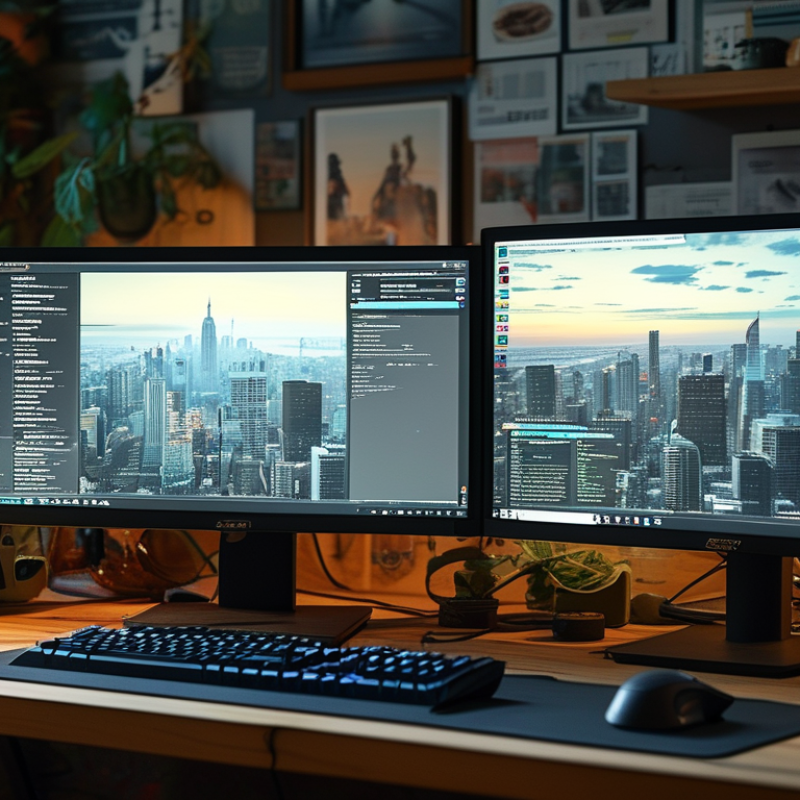
Understanding Different Types of LCD Panels Available in the Market
When choosing an LCD panel, knowing the various types is crucial. Each panel type serves different purposes and has distinct features.
TN (Twisted Nematic) panels are known for their fast response times, making them ideal for gaming. However, they struggle with color accuracy and viewing angles.
VA (Vertical Alignment) panels offer better contrast and richer colors, but they can be slower than TN panels.
IPS (In-Plane Switching) panels shine in color reproduction and viewing angles, which is great for design work but often comes at a higher cost.
Consider these aspects when deciding. Think about how you’ll use the panel. If gaming is your priority, fast refresh rates matter.
For professional work, look for panels with good color accuracy. Remember, every type has trade-offs; it’s about balancing features with your needs.
Take time to research reviews and expert opinions. User experiences can reveal much about performance in real-world situations.
Evaluate the specifications, but also consider how they translate to everyday use. Viewing angles might seem trivial, but poor angles can ruin a viewing experience.
Before making a choice, reflect on what features you value most and how they align with your intended use.
Key Specifications to Consider When Choosing an LCD Panel
Choosing the right LCD panel involves a careful evaluation of key specifications. One significant factor is resolution. Higher resolution generally means better image quality. Look for panels that support at least Full HD (1920x1080) for clear visuals. For professional work, especially in design, 4K panels (3840x2160) may be essential. But remember, matching resolution with screen size is crucial. A large screen with low resolution can lead to pixelation.
Another vital specification is the refresh rate. This determines how often the image on the screen is updated per second. A higher refresh rate, like 120Hz or 144Hz, offers smoother motion, which is ideal for gaming. However, most casual users may find 60Hz sufficient. It’s important to assess your intended use. Are you gaming, working, or streaming content? Your choice should reflect your needs.
Color accuracy is another area to consider. Look for panels that cover a wide color gamut, such as sRGB or Adobe RGB. This is especially important for graphic designers. A panel with poor color accuracy can lead to disappointing visual outcomes. However, keep in mind that panels with very high color accuracy may come at a higher price point. Balancing your budget with your specific needs is essential in this decision-making process.
Evaluating Display Quality: Resolution, Color Accuracy, and Brightness
When selecting an LCD panel, evaluating display quality is crucial. Key factors include resolution, color accuracy, and brightness. A higher resolution delivers sharper images. For example, 4K panels provide four times the pixels of Full HD displays, enhancing clarity, especially for gaming and professional design. Reports indicate that users prefer 4K displays for their ability to showcase finer details in content creation.
Color accuracy significantly affects visual experiences. Panels with a wide color gamut, such as those supporting 100% sRGB or AdobeRGB, offer more vibrant and realistic colors. According to a study by the UHD Alliance, displays with high color accuracy increase user satisfaction by nearly 30%. However, not all panels achieve precision. Calibration is often necessary to ensure consistency, which can be overlooked by consumers.
Brightness also plays a vital role, particularly in well-lit environments. A screen with 300 nits brightness may suffice for dim rooms. Yet, for bright settings, 600 nits or more is preferred. Industry benchmarks suggest that adequate brightness reduces glare and improves visibility. Without adequate attention to these specifications, users may find their experiences lacking. It’s essential to reflect on these qualities when choosing an LCD panel that meets your needs.
Evaluation of LCD Panel Display Quality
Assessing Panel Size and Aspect Ratio for Your Specific Needs
Choosing the right LCD panel involves understanding both panel size and aspect ratio. These factors can significantly impact your viewing experience, whether for gaming, professional work, or entertainment.
Panel size is measured diagonally. It largely determines how immersive your experience will be. Reports indicate that screens ranging from 24 to 32 inches are popular among gamers and professionals. These sizes often strike a balance between visibility and desk space. The right size can enhance productivity, while an overly large panel may overwhelm a small workspace. For those using multiple monitors, smaller sizes might offer better alignment and integration.
Aspect ratio also plays a critical role. The standard 16:9 ratio is common for general use, but ultrawide options like 21:9 are gaining traction. Research shows that ultrawide panels can improve multitasking by allowing multiple windows side by side. However, they can be more expensive and require more GPU power. Consider your primary activities when choosing the aspect ratio, as it can greatly affect how content is displayed.
In assessing your needs, keep in mind the reflections and lighting in your environment. A panel that performs well in bright settings differs from one suited for dimly lit rooms. Ensure your choice reflects your usage patterns and space availability.
How to Choose the Best LCD Panel for Your Needs?
| Dimension |
Description |
Recommended Use |
| 24 inches |
Compact size ideal for small spaces |
Office work, gaming, and home use |
| 27 inches |
Moderate size with good screen real estate |
Design work, general use, and casual gaming |
| 32 inches |
Large screen experience suitable for immersion |
Video editing, gaming, and multimedia viewing |
| 34 inches |
Ultra-wide for multitasking with panoramic views |
Professional tasks, gaming, and expansive visual layouts |
Comparing Price Points and Brand Reliability in LCD Panel Selection
When choosing an LCD panel, price and reliability are crucial. A recent report from MarketWatch indicates that the global LCD market is projected to reach $135 billion by 2026. This growth reflects not only demand but varying price points across different brands. A high price does not always guarantee superior quality. Cheaper brands can offer good performance but may lack longevity.
Consumer Reports highlights that reliability plays a significant role in brand preference. Many users report dissatisfaction when cheaper panels fail within a year. A survey showed that 30% of customers experienced issues with budget brands shortly after purchase. It's wise to consider warranties and customer services. Research indicates that brands offering comprehensive warranties often inspire more consumer trust.
Brand reputation can be a double-edged sword. While established brands frequently enjoy loyalty and high ratings, smaller brands can surprise users with quality. Balancing cost against reliability might mean looking at reviews and performance tests conducted by experts. The insights provided by professionals can direct users towards the best decision based on their unique needs. Finding the right balance may involve sacrifices and reflection on past choices.



















 Screen Size Calculator