How to Choose the Best Touch Screen TV for Your Needs?
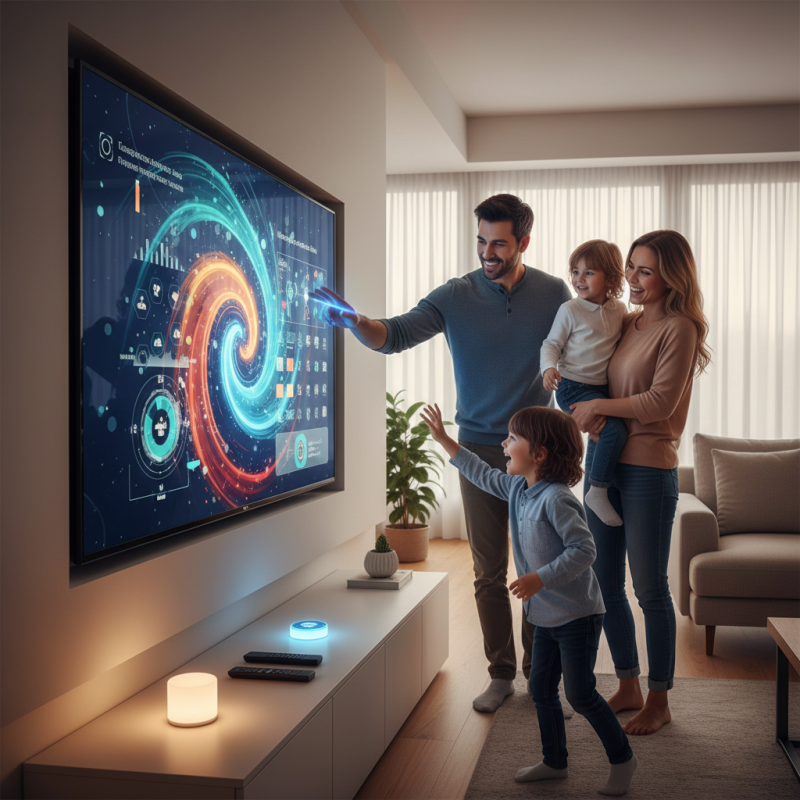
Choosing the best touch screen TV can be daunting. With technology advancing rapidly, consumers face many options. According to a recent report by Tech Insights, the global touch screen TV market is projected to grow by 15% annually through 2025. This trend highlights the increasing demand for interactive viewing experiences.
Expert Amanda Lee, a leading authority in consumer electronics, emphasizes the importance of making an informed choice. She states, "Selecting the right touch screen TV involves understanding your unique needs and preferences." This reinforces the idea that not every model suits every user.
Factors like screen size, resolution, and touch sensitivity significantly impact your experience. A poorly chosen model can lead to frustration. Therefore, it's vital to consider usage scenarios, whether for gaming, educational purposes, or family entertainment. Balancing features with budget constraints can make this decision challenging. Ultimately, this investment should enhance your lifestyle, not complicate it.
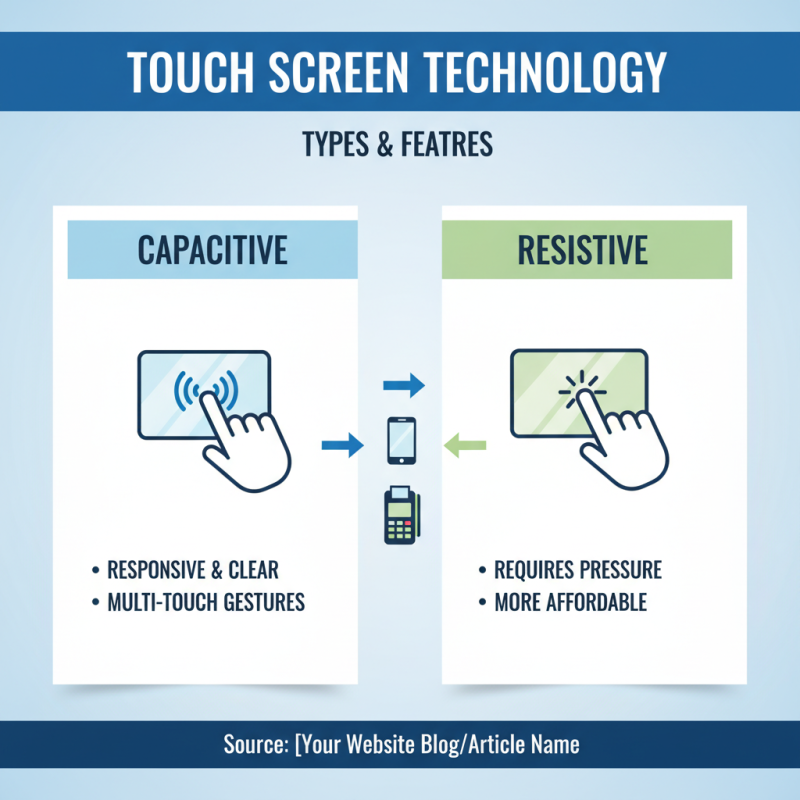
Understanding Touch Screen Technology: Types and Features Compared
When exploring touch screen technology, it’s essential to understand the types available in the market. Capacitive screens are widely favored for their responsiveness and clarity. They register touch through electrical properties of the skin. This makes them ideal for gestures and multi-touch functionalities. On the other hand, resistive screens require physical pressure. They tend to be less sensitive but are often more affordable. For certain applications, this can provide a practical advantage.
The features of touch screen TVs can vary significantly based on the technology used. Resolution and screen size are often primary considerations. Higher resolution displays improve clarity but may come with added costs. Often, users grapple with whether larger screens are worth the investment. Additionally, touch sensitivity can differ. Some models offer a seamless experience, while others might struggle with lighter touches. It's essential to know personal usage patterns and preferences.
Reflect on how these factors align with your viewing habits. Do you need a screen that's quick to respond or one that can withstand heavy use? This decision can greatly affect your satisfaction. Understanding these details is crucial in making an informed choice that fits your needs.
Evaluating Size and Resolution: Choosing the Right Screen Dimensions
When evaluating size and resolution for a touch screen TV, consider the viewing distance. A larger screen may seem appealing, but its impact varies across different room sizes. Generally, a distance of 1.5 to 2.5 times the screen size is advisable for optimal viewing. For example, if your couch is eight feet away, a 55-inch TV is suitable. However, measure your space carefully. Sometimes, people underestimate the actual distance.
Resolution is another critical factor. Full HD (1080p) offers decent clarity, but 4K is the new standard for detailed images. A higher resolution means more pixels and better picture quality. It's essential to match resolution with screen size. For smaller screens, 1080p might suffice; on larger screens, 4K can dramatically enhance details.
Many people assume that bigger is always better. But an oversized screen can overwhelm a small room, causing discomfort. On the flip side, a tiny screen may not provide an immersive experience. Personal preferences matter greatly. Take time to evaluate what feels right for your space. Don't rush this decision; it impacts your viewing experience significantly.
Assessing Touch Sensitivity and Response Times in Touch Screen TVs
When evaluating touch screen TVs, touch sensitivity and response times are crucial. High sensitivity means your touch is registered quickly, allowing for seamless navigation. Look for TVs that respond instantly to your taps. Lag can be frustrating, especially during gaming or interactive use.
Touch response times should ideally be under 20 milliseconds. This ensures fluidity while using apps or streaming content. Users often complain about delays, which can hinder the overall experience. Testing models in-store can be useful. Pay attention to how quickly actions occur.
Sensitivity differs across devices. A screen that feels responsive to one user may not satisfy another. Personal preferences matter. Users should consider the types of content they will engage with. Casual browsing might require less sensitivity compared to gaming or creative tasks, where precise control is essential. Evaluate your needs carefully. A subjective experience should guide your decision.
Exploring Smart Features and Connectivity Options: What to Look For
When choosing a touch screen TV,
smart features are crucial. These features can enhance your viewing experience significantly.
Look for options like app support,
voice control, and
seamless streaming capabilities.
These additions can transform how you interact with your TV.
Connectivity is another vital aspect. Ensure the TV has multiple
HDMI ports for various devices.
Wireless connectivity options, such as Wi-Fi and
Bluetooth, can greatly enhance usability.
They allow for easy linking to tablets, smartphones, and gaming consoles.
It’s worth checking if the TV supports the latest standards for better performance.
With so many choices, finding the right balance can be tough. Some users may desire
top-end specs but may not need all features. What’s essential is ensuring that the TV can
adapt to your lifestyle. Engage with real customer experiences and reviews to gain insights.
Understanding these elements can lead to a more satisfying purchase.
Reviewing Price Points and Warranty Options for Touch Screen TVs
When selecting a touch screen TV, price and warranty are crucial factors. Industry data shows that prices for touch screen TVs can vary significantly. Basic models may start around $200, while high-end features can push prices to over $3,000. Knowing your budget helps narrow choices.
Warranties also play a vital role. The average warranty period for touch screen TVs is typically one year. However, extended warranties may offer additional peace of mind. Reports state that many customers overlook warranty details. Some products have hidden clauses, reducing coverage. It's important to read the fine print before purchase.
Reviews from consumers highlight a need for clarity. A mid-range model may cost $800, but often lacks adequate warranty support. Investing in a robust warranty can save costs long-term. Understand how service and repair options work. A slightly higher upfront cost may prevent future expenses.



















 Screen Size Calculator