10 Essential Tips for Choosing the Perfect LED Display Screen for Your Needs
Selecting the ideal LED display screen for specific applications has become an increasingly critical decision for businesses and organizations across various sectors. The global market for LED displays is expected to reach $75 billion by 2025, demonstrating a significant growth influenced by advancements in technology and a rise in demand for high-quality visual solutions. According to a report by MarketsandMarkets, the increasing adoption of LED display screens for marketing and informational purposes has positioned them as a vital component in enhancing customer engagement and promoting brand visibility.
Industry expert Dr. Angela Turner, a renowned authority in display technologies, emphasizes the importance of making informed choices when she states, “The right LED display screen can transform the user experience, providing clarity and vibrancy that captivates audiences.” This perspective aligns with the growing recognition that not only the resolution and size but also factors like brightness, color accuracy, and energy efficiency are essential in identifying a suitable display. Understanding the technical specifications and potential applications of LED display screens is crucial for maximizing their impact in any environment, whether it be retail spaces, corporate settings, or outdoor installations. As you navigate the selection process, keep these considerations in mind to ensure the chosen display meets your individual or organizational needs effectively.
Understanding Your Display Requirements for LED Screens
Understanding your display requirements is crucial when selecting the perfect LED display screen. First, consider the environment where the display will be used. Indoor screens generally have lower brightness requirements compared to outdoor screens, which must be capable of overcoming sunlight and harsh weather conditions. Assessing the ambient light levels can help in choosing the right brightness and pixel pitch, ensuring that the visuals are clear and vibrant at all times.
Next, evaluate the content that will be showcased. Different applications, such as live events, advertisements, or informational displays, may require varied resolutions and refresh rates to achieve the desired visual impact. A high-resolution screen is essential for detailed graphics and videos, while a lower resolution may suffice for basic information delivery. Additionally, understand the viewing distance; larger screens with lower pixel density can look great from afar but may not be suitable for close-up viewing. By aligning your display's specifications with your specific needs, you can make a well-informed decision that enhances your audience's experience.
Comparison of LED Display Screen Attributes
Comparing Different Types of LED Display Technologies
When selecting an LED display screen, understanding the various display technologies available is crucial. The primary types include Direct View LED (DVLED), LED-backlit LCD, and OLED. Direct View LED screens are composed of individual light-emitting diodes that create vibrant images directly on the screen surface, making them ideal for large installations and outdoor use due to their brightness and durability. They are often used in stadiums, concerts, and advertising displays, where visibility in bright environments is essential.
On the other hand, LED-backlit LCD screens use LED lights to illuminate a traditional liquid crystal display. While they tend to offer high brightness and color accuracy, they rely on the LCD technology’s limitations in contrast ratios and viewing angles. This option is often suitable for indoor environments where space is limited and cost efficiency is a priority. Lastly, OLED (Organic Light Emitting Diodes) boast superior color depth and true blacks, as each pixel emits its own light and can be individually turned off. Although more costly, OLED displays provide an exceptional viewing experience, making them popular for high-end applications such as home theaters and high-resolution displays. Understanding these technologies will guide you in making the best choice for your specific needs.
Evaluating Picture Quality Factors in LED Displays
When evaluating picture quality factors in LED displays, the first key aspect to consider is pixel resolution. A higher pixel resolution typically translates to sharper images and finer detail, which is particularly important for applications requiring high clarity, such as digital signage or video presentations. It's essential to assess the pixel pitch, the distance between individual pixels, as this affects viewing distance—the lower the pixel pitch, the closer viewers can be without noticing blurriness.
Another critical factor is brightness and color accuracy. The brightness of an LED display is measured in nits, and sufficient brightness is crucial for visibility in different lighting conditions, such as outdoor environments. In addition to brightness, color accuracy plays a vital role in how images are perceived. Look for displays that offer wide color gamuts and support for various color formats to ensure that the visuals appear true to life. Contrast ratio also contributes significantly to picture quality, as it defines the difference between the brightest whites and the darkest blacks, ultimately impacting the overall depth and richness of the image.
Considerations for LED Screen Size and Viewing Distance
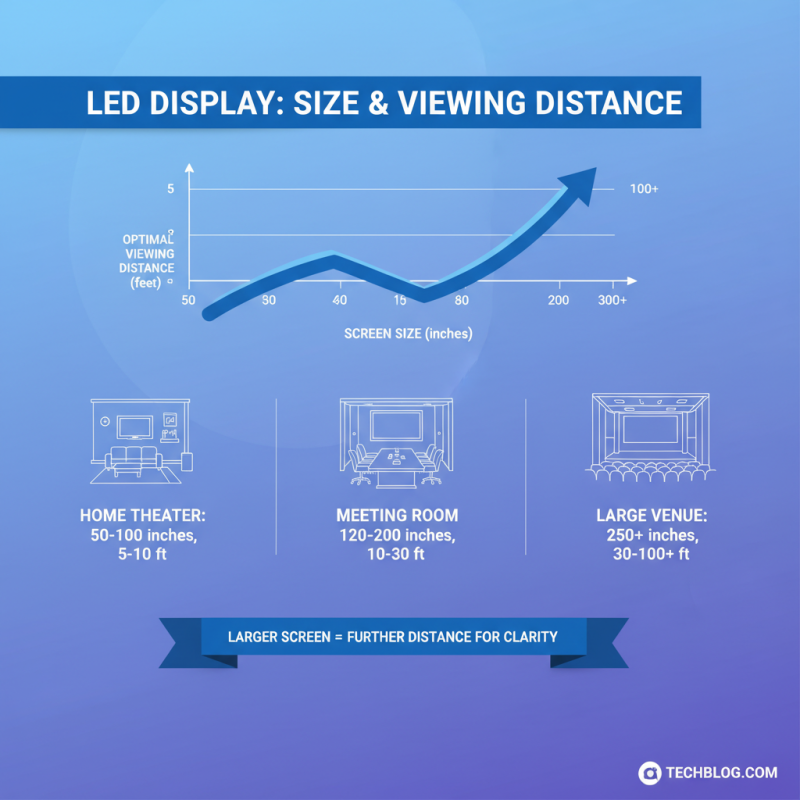
When selecting an LED display screen, understanding the relationship between screen size and viewing distance is crucial for optimal performance. The size of the display screen should correspond to the distance from which it will be viewed. A general guideline is that the larger the screen, the farther away the audience can be positioned without losing image quality. For instance, in settings such as theaters or auditoriums, larger screens facilitate better visibility for viewers seated at a distance, allowing them to reap the full benefits of high-resolution images and dynamic content.
Moreover, the pixel density of the display plays a vital role in this equation. Higher pixel densities are advantageous when viewers are closer to the screen, as they deliver sharper images and clearer details. Conversely, screens with lower pixel densities can be effective for viewing from further away, as the audience may not discern the individual pixels. This understanding helps in choosing the right size that ensures clarity based on the specific viewing environment, whether it be a conference room, retail space, or public outdoor area. Ultimately, careful consideration of both screen size and viewing distance will enhance the overall experience and effectiveness of the LED display.
Assessing Budget Constraints and Long-term Costs of LED Displays
When considering the purchase of an LED display screen, it’s crucial to assess your budget constraints and long-term costs. First, establish a clear budget that accommodates both the upfront costs and additional expenses that may arise over time. While the initial investment is significant, it's essential to factor in maintenance costs, power consumption, and any potential upgrades that could be needed in the future. This holistic approach ensures that you avoid any unpleasant financial surprises later on.
Moreover, investing in a higher-quality LED display might mean a higher initial cost, but it can lead to savings in the long run. High-quality displays generally come with better energy efficiency, which translates to lower electricity bills over time. Additionally, consider the warranty and support options offered; a longer warranty can mitigate future repair costs. Think about how the display will serve your needs for years to come, as selecting a durable and efficient model can significantly reduce overall expenditure while enhancing the user experience.
10 Essential Tips for Choosing the Perfect LED Display Screen for Your Needs
| Feature | Description | Cost Impact | Long-term Consideration |
|---|---|---|---|
| Resolution | Quality of image detail and clarity | Higher resolution typically increases initial cost | Investing in higher resolution may reduce need for future upgrades |
| Brightness | Measured in nits, influences visibility in daylight | Higher brightness can increase cost by 20-50% | Ensure long-term usability in various lighting conditions |
| Size | Physical dimensions of the display | Larger sizes significantly raise AC and installation costs | Consider future expansion and visibility from afar |
| Durability | Resistance to weather, impact, and wear | Higher durability can lead to higher upfront costs | Lower maintenance costs over time with durable options |
| Power Consumption | Energy usage measured in watts | More efficient models can be significantly more expensive | Long-term savings on energy bills with efficient options |
| Refresh Rate | Frequency of image updates | Higher refresh rates can increase costs by 10-30% | Better experience for fast-moving visuals over time |
| Viewing Angle | The angle at which the image is still visible | Wider angles may increase price by 15-25% | Better audience visibility from varied positions |
| Installation | Requirements for mounting and setup | Complex installations can double labor costs | Simpler installations may offer long-term logistical benefits |
| Warranty | Coverage for repairs and replacements | Longer warranties may increase upfront costs | Protects investment and can save on unexpected expenses |
| Technology Type | Differences in LED technology (SMD, DIP, etc.) | Newer tech typically costs more than older models | May offer better longevity and performance |
Related Posts
-
Top Benefits of Using LED Screens for Events and Businesses
-
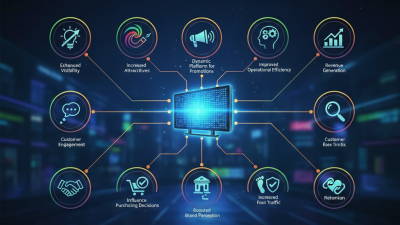
Top 10 Benefits of Using LED Displays for Your Business Growth
-
Why LED Display Rental Solutions Are Revolutionizing Event Marketing: Insights and Statistics
-
How to Choose the Best Display Screen for Your Home Office Setup
-
Unlocking the Potential of Outdoor Monitors for Your Business Transformation
-
Why Transparent Display Technology is Revolutionizing Visual Experiences