What is a LED display panel and how does it work?
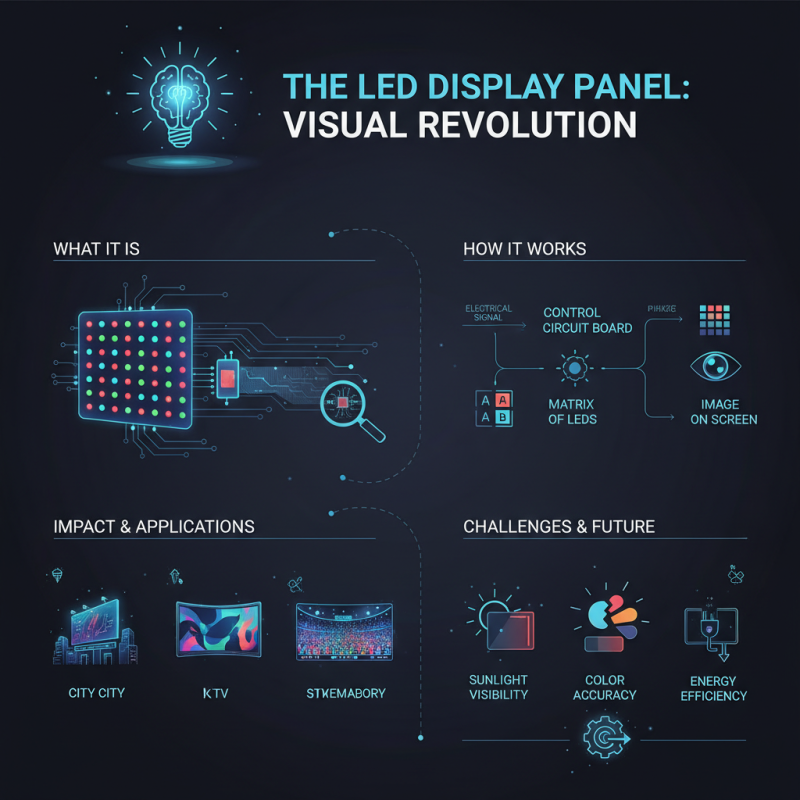
LED display panels have revolutionized the way we interact with visual content. These panels are everywhere, from billboards to televisions. They use Light Emitting Diodes (LEDs) to create bright and vibrant images. Industry expert Dr. Emily Carter, a leading figure in display technology, once said, "LED displays bring ideas to life in a way that other technologies cannot."
The functioning of an LED display panel involves a matrix of tiny LEDs, each representing a pixel. Together, they generate stunning visuals with high clarity. The technology behind LED displays is continuously evolving. However, challenges remain. Color accuracy and energy efficiency are areas needing improvement. Many users find that understanding specifications is often confusing.
The impact of LED display panels on marketing and communication is significant. Brands use them for eye-catching advertisements, but not all displays perform equally. Some panels struggle with sunlight visibility or color consistency. As the industry grows, careful consideration of these factors is essential. Embracing both innovation and critique can lead to better products in the future.
What is a LED Display Panel?
A LED display panel is a modern technology that utilizes light-emitting diodes to produce images and videos. These panels are widely used in various settings, from advertising billboards to television screens. The core function of a LED display is simple yet effective. When electricity passes through the diodes, they emit bright light. This light combines to form vibrant colors and clear visuals.
The construction of a LED display panel involves multiple small diodes arranged in a grid. Each diode corresponds to a pixel in the displayed image. Sometimes, the arrangement of these diodes can lead to uneven lighting in certain areas. Moreover, poor visual performance can occur if the resolution is low. Users may notice details missing or colors appearing distorted under certain conditions.
Maintaining a high-quality LED display requires ongoing effort. Environmental factors can significantly impact performance. Dust can accumulate on the surface, affecting visibility. Regular cleaning and careful placement can help mitigate these issues. Although LED displays offer many advantages, they also require constant attention to function at their best.
Components of a LED Display Panel
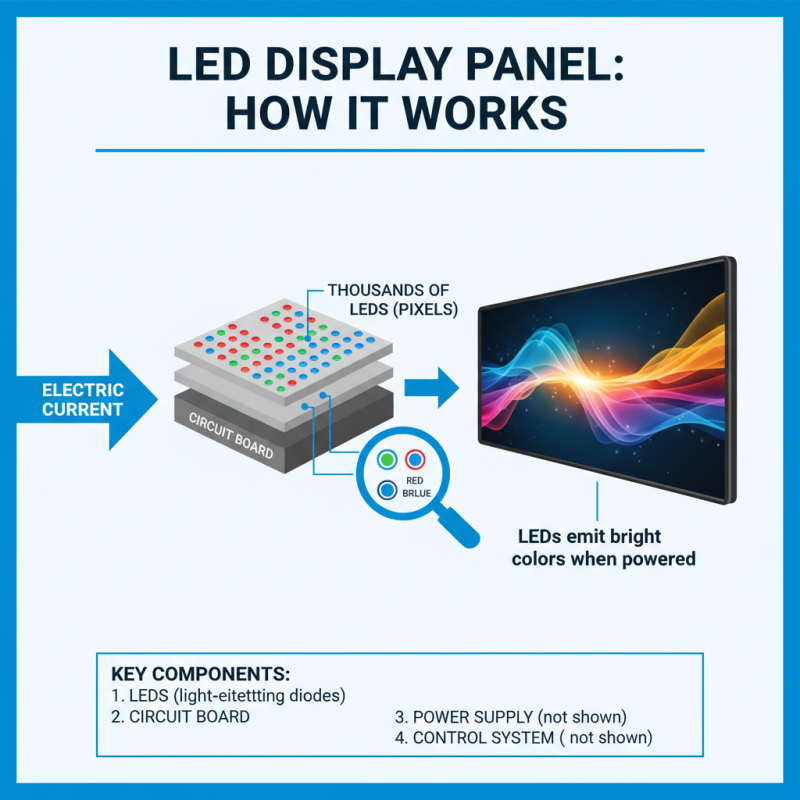
A LED display panel consists of a few key components that work together to produce vibrant images. At the heart of the panel are the light-emitting diodes (LEDs). These tiny lights emit bright colors when electric current flows through them. Each panel contains thousands of these LEDs, often arranged in grids.
The controlling system plays a vital role. This system manages the display of images and information. It converts digital signals into light patterns. Drivers are also essential; they regulate the power and brightness of LEDs. Without these components, the display wouldn’t function correctly.
Moreover, the housing or frame protects the components. It ensures durability and keeps everything in place. It is not always perfect. Sometimes, manufacturers face challenges. Issues like heat dissipation and color uniformity arise. During operation, some panels may flicker or show uneven colors. Continuous improvement in design and technology is necessary to address these flaws. The performance of LED panels can always be better.
The Working Mechanism of LED Display Panels
LED display panels have become prevalent in advertising and visual media. Understanding their working mechanism is essential to appreciate their impact. At the core of an LED panel are light-emitting diodes (LEDs). These tiny semiconductor devices emit light when electric current flows through them. Each panel consists of numerous LEDs arranged in a grid.
When the panel receives a signal, the controller activates specific LEDs. This creates images or text in various colors. The color results from the combination of red, green, and blue LEDs. Each pixel can be adjusted in brightness to create vivid images. The refresh rate of these panels is crucial; higher rates ensure smoother visuals. However, some panels may struggle with rapid changes, leading to flickering.
**Tips:** Keep in mind that proper installation affects performance. Ensure the panel is mounted securely. Regular maintenance is necessary, too. Dust can accumulate on the surface, dimming the display quality. Also, remember that environmental conditions can impact LED lifespan.
LED panels offer bright visuals, but they require careful handling. Overheating can become an issue if air circulation is poor. It’s vital to assess the operating environment regularly. While they are robust, factors like extreme temperatures can lead to failures.
Applications of LED Display Panels in Various Industries
LED display panels have revolutionized various industries with their vibrant visuals and energy efficiency. In retail, they attract customers with bright, eye-catching advertisements. Stores use these displays to showcase promotions or highlight new products. For example, a brightly lit display in a shopping mall can draw crowds, making it an effective marketing tool.
In transportation, LED panels serve crucial roles in information dissemination. They deliver real-time updates at train stations and airports. Travelers depend on these boards for accurate flight schedules. However, sometimes the information can be delayed or inaccurate, leading to frustration. Improving the reliability of content is a constant challenge.
Entertainment venues utilize LED displays for concerts and events. Large screens enhance the audience experience, providing close-up shots of performers. Bright colors and dynamic graphics keep viewers engaged. Yet, not all venues invest in the latest technology, which can lead to underwhelming experiences. This inconsistency highlights the need for further advancement in display quality.
Advantages and Disadvantages of LED Display Technology
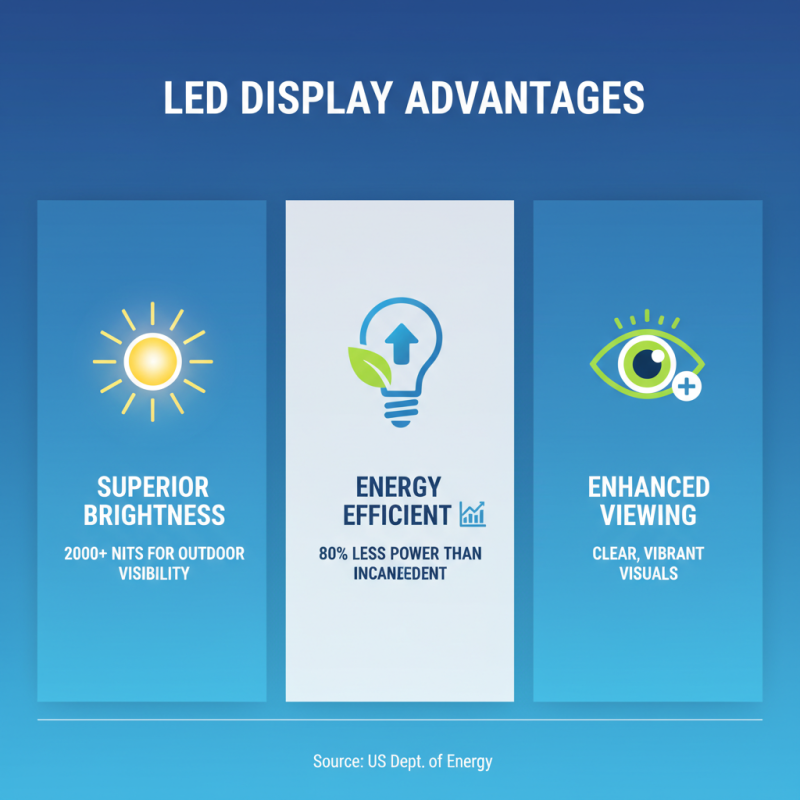
LED display technology has become increasingly popular, boasting both advantages and disadvantages. On the positive side, LED panels offer bright visuals, which enhance viewing experiences. The brightness level can reach 2000 nits or more, making them suitable for outdoor use. Additionally, LEDs consume less power than traditional displays. A report by the U.S. Department of Energy states that LED systems are 80% more efficient than incandescent lighting.
However, there are drawbacks to consider. The initial cost of LED technology can be significant. Some estimates show that high-quality LED displays can be up to 50% more expensive than their LCD counterparts. Additionally, the color accuracy may decline over time, leading to potential discontent among users. Pixel density is also a critical factor; lower resolution can result in visible pixelation, especially in large screens.
Tips: To maximize the lifespan of an LED display, always maintain proper ventilation. Overheating can diminish performance and color quality. Regular calibration can help maintain visual integrity over time. Choosing the right environment for installation is vital, as outdoor displays must withstand various weather conditions.















 Screen Size Calculator