What Is LED Display Rental and How Much Does It Cost?
An LED screen can transform a plain hall into a vivid launch stage. But what does led display rental actually include, and how much should a project budget? In simple terms, it means hiring LED panels and related services for a set period. The package may include delivery, installation, a processor, on-site technicians, and dismantling. What’s included varies. Ask for an itemized quote.
“Price the complete show, not just the panels,” says Maya Chen, an illustrative LED rental specialist created for this overview. Her practical point matters: a low daily screen rate may not cover rigging, transport, setup hours, or technical support. Compare quotes using the same screen size, pixel pitch, rental duration, and service assumptions. A bright outdoor screen, for example, may need different specifications from a close-view indoor display.
There is no universal rate. Costs depend on screen dimensions, resolution, location, event dates, and production complexity. A two-day conference display may have modest transport needs; a large stage screen can require extra labor and structure. Timing matters, too. Peak dates and last-minute changes may affect availability and price. Get details in writing, including overtime, power needs, weather planning, and what happens if equipment fails. Even careful planning misses something sometimes. That is worth admitting. A realistic budget leaves room for contingencies, rather than treating the first estimate as the final bill.
What LED Display Rental Means and How It Works
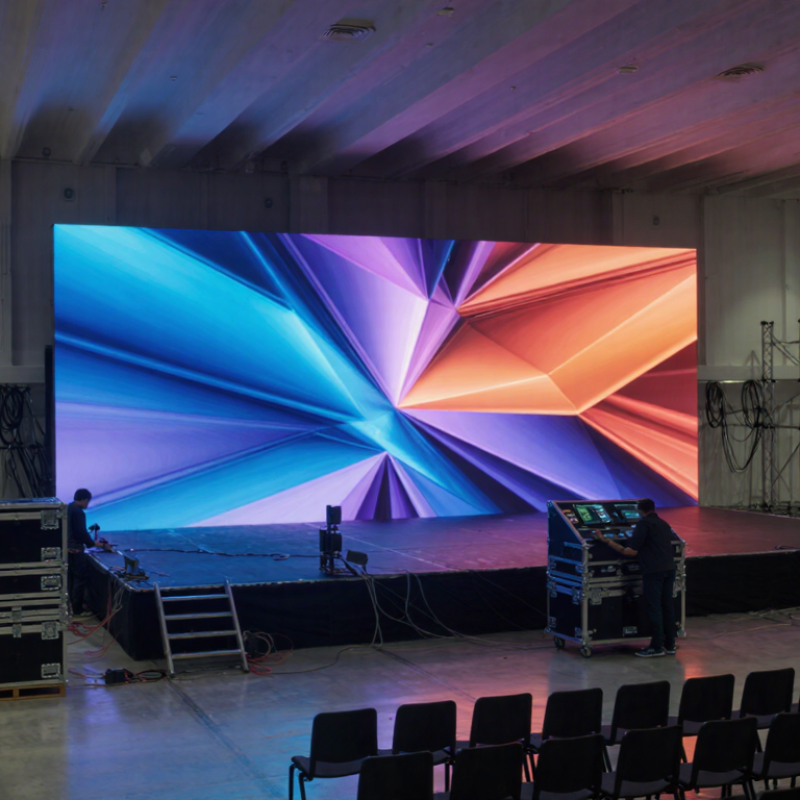
LED display rental means using a temporary screen for an event instead of buying and storing the equipment. The rental provider typically supplies LED panels, processing equipment, cables, and technical support. A screen may be built from smaller panels, joined to fit a stage backdrop, exhibition booth, or outdoor viewing area. The setup is planned around viewing distance, screen size, brightness, and available space. Small details matter.
The process usually starts with sharing the event date, venue dimensions, content format, and audience size. A technician can recommend a screen layout and check power access, mounting options, and sightlines. Panels are then assembled, connected, and tested before content is shown. Costs vary with screen area, pixel pitch, rental duration, transport, setup labor, and on-site support. Outdoor displays may need higher brightness and weather-appropriate protection, which can affect the quote. Ask what the price includes; otherwise, setup or delivery fees may be easy to miss. A plan can still need changes after a venue inspection.
Tips: Send clear venue photos and confirm whether the screen will be viewed in daylight. Request a written list of included equipment, labor hours, and support. Test your videos on the actual screen setup when possible. A file that looks sharp on a laptop may appear soft on a large display.
Common Types of Rental LED Displays
Indoor fine-pitch LED displays suit conferences, product launches, and exhibition booths where viewers stand close to the screen. Their tighter pixel spacing keeps text and product details clear from the front row. They often use lightweight cabinets that crews can assemble quickly inside a venue. Still, a bright screen can feel harsh in a dim room; brightness settings need adjustment.
Outdoor rental displays are built for sunlight, changing weather, and longer viewing distances. Larger pixel spacing is often suitable because audiences watch from farther away. A covered stage may use modular LED panels to create a wide backdrop, a center screen, or side displays. The trade-off is real. Wind, rain protection, and safe rigging need careful planning, not guesswork.
For concerts and temporary events, curved or flexible LED panels can follow a stage’s shape. Mobile LED screens, mounted on trailers, can serve outdoor gatherings where a fixed installation is impractical. Transparent LED displays are another option for storefronts or event windows; they show moving visuals while allowing some light through. Image quality can vary with viewing angle and ambient light. Rental cost depends partly on display type, pixel pitch, screen size, rental duration, and setup needs, so the cheapest panel may not fit the venue.
Common Rental LED Display Types and Indicative Daily Rates
Typical planning estimates in USD per square meter, per rental day
Indoor fine-pitch displays typically cost more because of their higher resolution. Rates vary by location, rental duration, pixel pitch, and configuration. Estimates exclude delivery, installation, labor, and taxes.
How to Choose a Display for an Event or Venue
Choosing an LED display starts with the room, not the screen size.
Measure the viewing area and note how far guests will stand from the image. For a close audience, finer pixel spacing helps text and faces look clear. From the back of a large hall, a bigger screen may matter more. Check sightlines from seats, doorways, and any raised stage.
Light changes everything.
A screen facing bright windows may need higher brightness than one in a dim ballroom. Outdoor events also need equipment rated for changing weather. Ask about power access, mounting points, setup time, and who handles technical support. A display that fits the budget but blocks an exit or arrives too late is not a good deal. Small details count.
For a rental quote, describe the venue, event dates, audience size, and content type.
Share a floor plan or photos if available. Costs can vary with screen dimensions, pixel pitch, rental duration, transport, installation, and on-site staff. Compare quotes by checking what each includes, not just the daily rate. It is easy to over-specify a screen; honestly, I would rather see a clear test image from the back row than pay for resolution guests cannot notice. Ask for that check before the event.
What Rental Costs Typically Include
A LED rental quote usually covers more than the panels. It may include the display cabinets, video processor, signal cables, power distribution, and mounting hardware. The final package depends on screen size, pixel pitch, viewing distance, and venue layout. A bright screen facing afternoon sun may need different equipment from one inside a dim ballroom.
Delivery, installation, on-site operation, and dismantling can also be included. Ask whether the crew’s hours, travel, overnight work, and backup equipment are priced separately. AVIXA’s 2024 Industry Outlook and Trends Analysis estimates global professional audiovisual revenue at about $306 billion in 2023. That figure is not a rental-price guide, but it reflects a large, technically complex industry. Labor and logistics are real parts of the service, not just add-ons.
Small details matter. Confirm the quote lists setup and strike times, cable runs, power needs, and any venue access charges. Check how overtime is billed, too. A low quote may exclude a technician or delivery, while a higher one may include both. I’ve seen estimates that looked complete until the room’s loading window changed; that is an easy detail to miss. Ask for an itemized estimate and verify what happens if the screen size or schedule changes.
Key Factors That Determine LED Display Rental Prices
LED display rental means hiring modular screens and the equipment needed to run them for an event. Prices depend less on the screen alone than on the work required to make it perform reliably. A 12-by-7-foot wall usually costs more than a small lobby screen because it needs more panels, support, and handling. Pixel pitch matters, too. At close viewing distances, finer-pitch panels create a sharper image, but their rental rate is often higher. Outdoor events may need brighter screens and extra weather protection.
Rental duration affects the quote, though not always through a simple daily rate. Packages can include delivery, setup, testing, and removal; multi-day bookings may lower the average daily charge. Ask whether the price includes event technicians, spare panels, cables, signal processors, and a control system. Those details matter. Labor, freight, rigging, and power distribution may appear as separate line items. Venue access can add cost: a narrow loading dock or late-night installation may slow the crew.
Content preparation also affects expenses. Standard video playback is usually simpler than mapping visuals across an unusual screen shape or synchronizing several displays. Share the venue dimensions, viewing distance, event hours, and playback plan when requesting quotes. Compare itemized estimates, not just totals. A cheaper quote is not automatically poor value, but check what it leaves out. That gap can be frustrating on event day.















 Screen Size Calculator