What is a Showcase Lighting Driver and How Does It Work?
A Showcase Lighting Driver is an essential component for illuminating displays effectively. This device manages the lighting in showcases, enhancing visual appeal and attracting attention. Whether in retail stores or museums, proper lighting can make a significant difference. The Showcase Lighting Driver ensures that light is delivered in a manner that highlights products or art pieces brilliantly.
These drivers control brightness levels, color temperatures, and energy consumption. They provide flexibility to achieve the desired atmosphere. For instance, a vibrant energy-efficient display can draw in more customers, leading to increased sales. Yet, ensuring the right balance is crucial; overly bright lighting may overwhelm and deter potential buyers.
Understanding how a Showcase Lighting Driver functions is vital for anyone involved in display setups. The technology behind these drivers involves complex systems that require expertise to operate efficiently. Many might overlook the importance of choosing the right driver, leading to subpar lighting results. Reflecting on this can lead to improvements in display strategies.
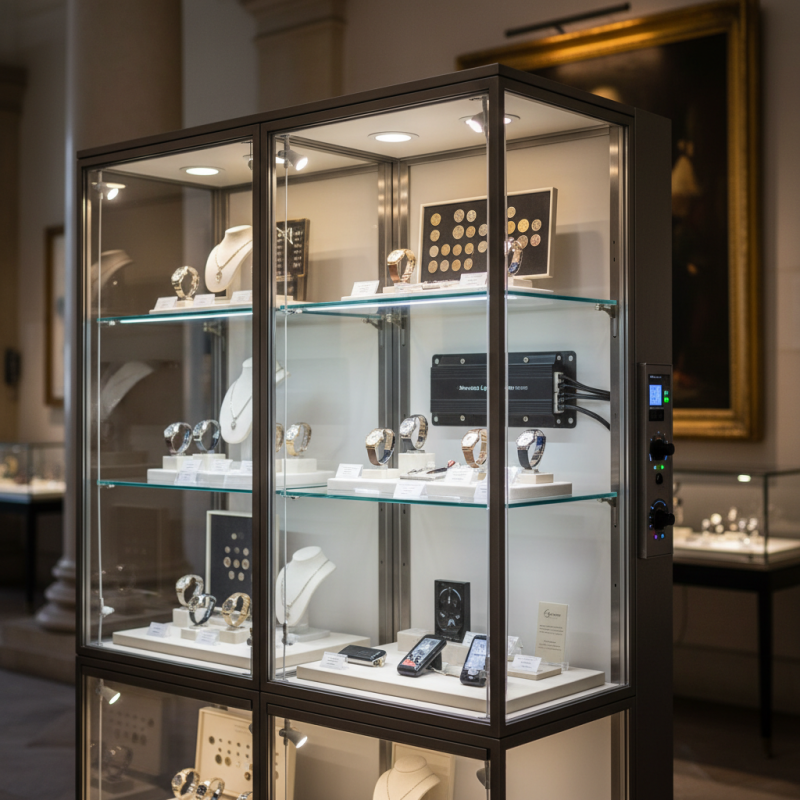
What is a Showcase Lighting Driver: Definition and Purpose
Showcase lighting drivers play a crucial role in enhancing visual appeal. They are specifically designed to power LEDs and ensure optimal performance in display settings. By controlling the brightness and color temperature, these drivers transform a simple space into a captivating environment. Research indicates that effective lighting can increase product visibility by up to 40%. This statistic underlines the importance of a well-designed showcase lighting system.
The purpose of a showcase lighting driver extends beyond mere illumination. It regulates the electrical current, preventing overheating and extending the lifespan of light sources. Many models also offer dimming features, allowing for adaptive lighting scenarios. Industry reports show that energy-efficient drivers can reduce energy consumption by as much as 30%, a factor critical in today’s sustainability push. However, reliance on outdated systems can lead to higher operational costs and increased maintenance needs.
Misalignment between lighting design and driver capabilities can lead to less than satisfactory outcomes. Without proper integration, showcases fail to achieve their intended effect, dimming a brand's message. It's essential to conduct regular assessments of both drivers and displays to ensure optimal coordination. Making informed choices in showcase lighting can lead to improved aesthetics and heightened consumer engagement.
Key Components of Showcase Lighting Drivers and Their Functions
Showcase lighting drivers are essential in enhancing the visual appeal of displayed items. Their primary role is to manage the power and functionality of lighting systems. To understand how they work, we need to explore their key components.
One important component is the dimming control. This allows users to adjust the brightness levels according to mood or preference. Proper dimming enhances the product without overwhelming it. Another crucial piece is the voltage regulation system. It ensures that the lights operate at optimal levels, preventing flickering or burnout. Maintaining consistency is vital. Without it, the entire display could suffer.
Additionally, thermal management components play a significant role. They prevent overheating, which can shorten the lifespan of the lights. If the system overheats, it may lead to unexpected failures. Lastly, connectors and cables form the essential links in the system. Quality connectors can make a significant difference but are often overlooked. A poor connection may lead to dim lighting or intermittent power loss. Each component contributes to the overall reliability of showcase lighting drivers. However, not every installation guarantees flawless performance, requiring regular assessment and adjustments.
How Showcase Lighting Drivers Control Brightness and Color Temperature
Showcase lighting drivers play a vital role in controlling brightness and color temperature in various lighting systems. They integrate with LED lights to achieve tailored effects. An effective driver can enhance the visual quality of displays. According to industry reports, dynamic lighting can increase viewer engagement by up to 40%.
These drivers use methods like Pulse Width Modulation (PWM) to adjust brightness levels. By rapidly switching the light on and off, they can create the illusion of different brightness without changing the voltage. Color temperature adjustments typically involve varying the wavelengths emitted by the light source. This adjustment can influence mood and perception, making it essential in retail and exhibition settings.
Tips: Always consider the space’s layout for optimal light distribution. Dimming options can help create a versatile atmosphere. Monitor how your audience responds to different settings and refine as needed. Fine-tuning these variables can make a significant difference in how products are perceived. Committing to regular evaluations is essential for achieving the best results in showcase lighting.
Brightness and Color Temperature Control in Showcase Lighting Drivers
This chart illustrates the relationship between brightness levels and color temperature in showcase lighting drivers. As the brightness increases, the color temperature shifts, demonstrating how these drivers can control the visual ambiance of a display.
Efficiency Standards: Energy Consumption and Performance Metrics
Showcase lighting drivers are essential for ensuring that light exhibits high efficiency while showcasing items beautifully. Understanding efficiency standards is crucial for maximizing energy consumption and performance metrics. Many lighting systems are now required to meet certain energy efficiency standards. These standards not only save costs but also reduce environmental impact.
For optimal performance, consider the wattage required for the space. A common mistake is oversizing or undersizing the lighting driver. This can lead to wasted energy or insufficient light output. The right balance is vital for achieving that perfect illumination. It’s also important to regularly check the driver’s efficiency metrics. This can prevent potential energy wastage and improve overall performance.
Tip: Keep track of your lighting system's energy consumption. Adjust settings based on usage patterns. Small changes can significantly enhance efficiency. Reflect on your current setup and assess any areas for improvement. A systematic approach can lead to better results in both energy savings and visual presentation.
Applications of Showcase Lighting Drivers in Retail and Exhibition Spaces
Showcase lighting drivers play a crucial role in retail and exhibition settings. They enhance the visual appeal of products by delivering optimal lighting effects. A well-lit display not only attracts attention but can also influence purchasing decisions. For retailers, this means strategically placing lights to highlight key items. In exhibitions, lighting helps create an inviting atmosphere, guiding visitors through the space.
Retail spaces can benefit greatly from adjustable lighting drivers. They allow store owners to modify light intensity and color according to seasonal trends or marketing campaigns. This flexibility can make a significant difference in how products are perceived. In exhibition spaces, these drivers enable curators to create dynamic experiences. By shifting light patterns, they can direct focus and enhance storytelling within the exhibit.
While these technologies offer many advantages, they also present challenges. Improper use of lighting can create harsh shadows or unflattering colors. Retailers and exhibition planners must remain vigilant and test settings. Finding the right balance enhances overall aesthetics. Continuous assessment is vital to ensure that lighting aligns with desired outcomes. Without careful planning, the potential of showcase lighting drivers may be underutilized.















 Screen Size Calculator