How to Choose the Best Large LED Screen for Your Business?
In today's competitive business landscape, a large LED screen can serve as a powerful tool for engaging customers. The right screen attracts attention and showcases your brand effectively. However, choosing the best large LED screen is often challenging. Businesses must consider various factors, such as size, resolution, and brightness.
When evaluating large LED screens, think about your specific needs. Where will you install the screen? What is your budget? Each business has unique requirements that impact the final decision. A high-quality display enhances visibility and communication, making your investment worthwhile.
It’s also crucial to think about the future. Technology evolves quickly, and LED screens are no exception. Selecting a screen with upgradable features ensures longevity in your investment. Consider partnering with reputable suppliers for advice and support. Reliable information can guide you in making an informed choice, leading to the perfect large LED screen for your business.
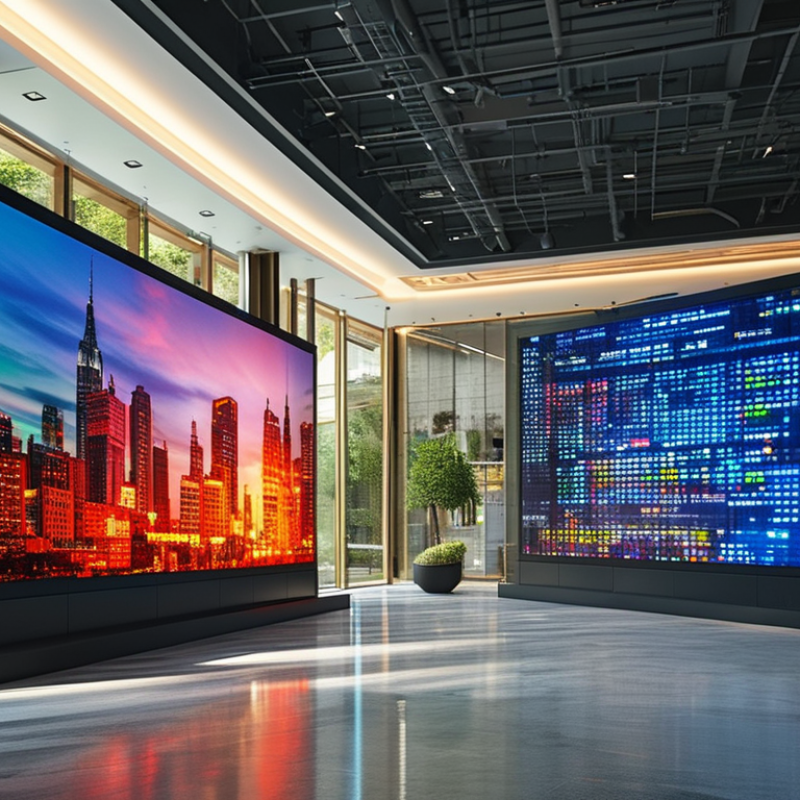
Understanding the Different Types of Large LED Screens Available
When selecting a large LED screen for your business, understanding the types available is crucial. Major categories include direct view LED, OLED, and LCD.
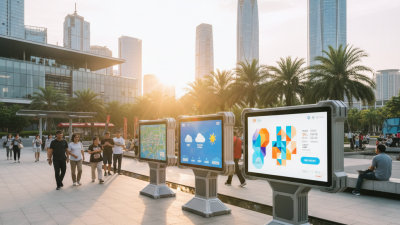
Direct view LED displays are often used for outdoor signage. They shine brightly and are highly visible even in direct sunlight. A report from Research and Markets indicates that the global market for direct view LED screens is projected to grow by 13% annually from 2023 to 2028.
OLED screens provide superior color accuracy and contrast. Their flexibility allows for unique, curved formats. While they generally have a higher price point, their energy efficiency and vibrant display make them appealing for immersive experiences.
According to a study by Grand View Research, the OLED segment is expected to expand at a CAGR of 14% over the next few years.
LCD screens are often considered the budget option. They offer decent quality at a lower price. However, they typically don’t perform as well outdoors. This can be a key factor for businesses that want outdoor advertising.
The varied performance levels of these screens make it essential to consider your specific needs. Understanding these nuances can lead to more informed purchases.
Key Factors to Consider When Selecting an LED Screen for Business
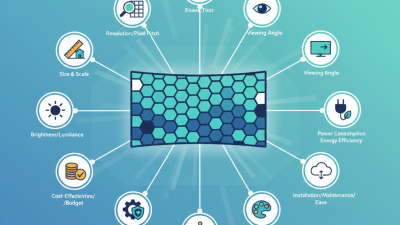
When selecting a large LED screen for your business, various factors come into play. Picture quality is critical. A high resolution ensures crisp and vibrant images. This can make a big difference in attracting attention. Moreover, brightness levels influence visibility. A brighter screen ensures better performance in various lighting conditions. Think about where you will place the screen. Indoor settings may need less brightness than outdoor installations.
Durability matters, too. A robust LED screen can withstand the elements and last longer if placed outside. Consider the environment and potential exposure to moisture or dust. The screen's weight and size are also essential. You don't want a cumbersome screen that is hard to install or relocate.
Lastly, evaluate your budget for initial purchase and ongoing maintenance. This often gets overlooked. A cheaper option might lead to higher costs down the line. Reflect on your business needs. Investing in the right LED screen can positively impact your marketing efforts and customer engagement.
Evaluating Picture Quality: Resolution, Brightness, and Color Accuracy
When evaluating picture quality for a large LED screen, three key factors emerge: resolution, brightness, and color accuracy. The resolution determines the level of detail in the displayed images. A common choice is Full HD (1920x1080), but many businesses now opt for 4K (3840x2160) displays. According to industry research, 4K screens offer four times the number of pixels, which significantly enhances image clarity. This advanced resolution is particularly essential for applications requiring fine detail, like outdoor advertising or presentations.
Brightness is another critical metric. Measured in nits, a typical indoor LED display ranges from 200 to 500 nits. Outdoor displays often exceed 1000 nits to overcome sunlight. As reported by professionals, brightness affects visibility, especially in well-lit conditions. If a screen appears dull, it detracts from engagement. Additionally, consider the environment where the screen will be located. Poor placement can reduce effectiveness, even with high brightness levels.
Color accuracy is paramount for brand representation. A screen that fails to reproduce color correctly can mislead viewers. Many high-quality LED screens boast a color gamut that covers 90% or more of the sRGB spectrum. However, neglecting calibration can result in drastic variations in displayed colors. Investing in a screen with high color accuracy is vital for businesses aiming to project professionalism and consistency across visual communications.
Assessing Durability and Weather Resistance for Outdoor LED Screens
When choosing a large LED screen for outdoor use, durability and weather resistance are crucial factors. Many businesses overlook these aspects, assuming all screens can withstand outdoor conditions. Reports indicate that nearly 30% of outdoor screens fail prematurely due to inadequate protection against elements.
Rain, wind, and sun exposure can lead to significant damage. A screen's ingress protection (IP) rating is a key factor in its durability. For outdoor use, a rating of IP65 or higher is essential. This rating indicates that the screen is dust-tight and can handle low-pressure water jets from any direction. Without this level of protection, screens risk malfunctions and reduced lifespan.
Furthermore, temperature extremes can affect performance. According to industry data, screens designed for outdoor spaces should operate in temperatures ranging from -20°C to 50°C. This ensures functionality and clarity in various weather conditions. Potential buyers need to consider the manufacturer's testing standards. A screen that has passed rigorous testing is likely to perform better over time, despite being more expensive upfront. Investing in quality might seem costly, but the long-term savings in maintenance and replacements are significant.
Budgeting and Cost Analysis: Finding the Right LED Screen for Your Needs
When selecting a large LED screen for your business, budgeting is crucial. Understand the total cost, which includes not only the screen but also installation and maintenance. Often, businesses underestimate these additional expenses. Make a detailed list of features you need. Prioritize what matters most, whether it’s brightness, size, or resolution.
Consider durability as an essential aspect of your investment. A cheaper option may save money upfront but could lead to higher maintenance costs later. Reflect on where you will place the screen. This can impact its visibility and performance. Will it be indoors or outdoors? Each environment has different requirements.
A practical approach is to allocate a specific budget range. This will help narrow your choices. Don’t forget to get multiple quotes. Prices vary significantly among suppliers. Evaluate their service reputation and warranty offers. Investing time in research pays off. Remember, a LED screen is not just a purchase; it's a commitment to enhancing your brand visibility.
How to Choose the Best Large LED Screen for Your Business? - Budgeting and Cost Analysis
| Screen Size (Inches) |
Resolution |
Brightness (nits) |
Cost ($) |
Ideal Use Case |
| 55 |
1920x1080 |
300 |
1,000 |
Retail Display |
| 75 |
3840x2160 |
500 |
2,500 |
Corporate Events |
| 90 |
3840x2160 |
600 |
4,000 |
Large Venues |
| 105 |
1920x1080 |
700 |
5,500 |
Sports Events |















 Screen Size Calculator