How to Choose the Best Display Panel for Your Business Needs?
Selecting the right display panel for your business is crucial. The display panel impacts customer engagement and brand perception. A well-chosen display panel can enhance the atmosphere of your space.
Consider your specific needs. Different industries require different features from their display panels. For retail, vibrant colors attract shoppers. In corporate settings, clarity and professionalism are key. Understanding your audience’s preferences is essential.
Technology is always evolving. New features and technologies emerge frequently, making it challenging to keep up. This constant change can create uncertainty in decision-making. Reflecting on your priorities and budget can help narrow down your options. Choosing the best display panel is about balancing quality, functionality, and cost.
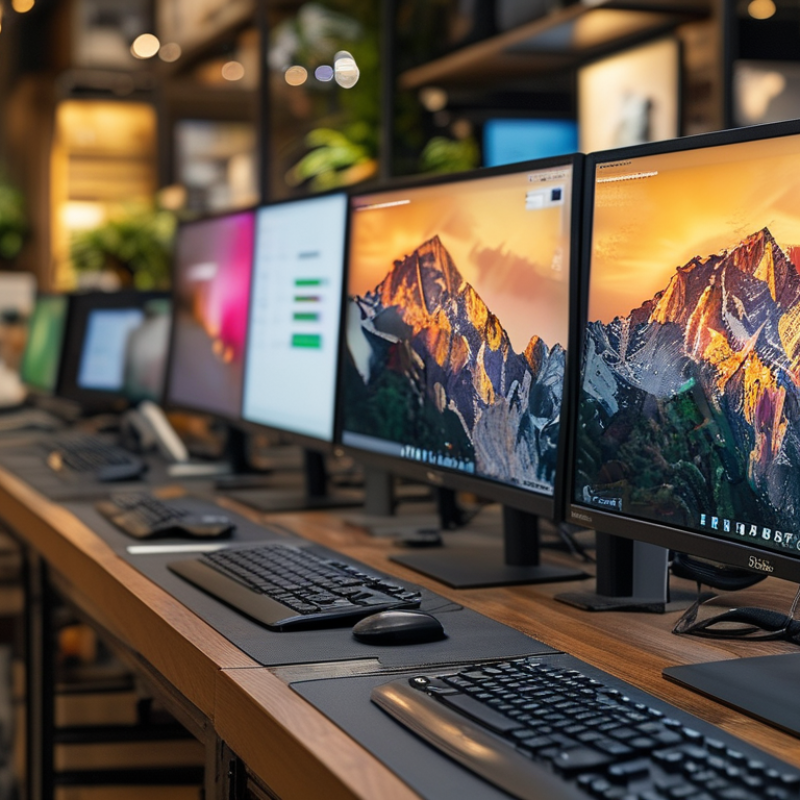
Understanding Different Types of Display Panels Available in the Market
When choosing a display panel, it’s crucial to understand the various types available. LCD, LED, OLED, and QLED each serve different functions. LCD panels are often more affordable and reliable for static displays. However, they may struggle in bright lighting conditions. On the other hand, OLED panels offer vibrant colors and deeper blacks, making them a great choice for immersive presentations.
Consider the environment where the display will be used. For outdoor settings, look for panels with higher brightness levels. Indoor displays may need different specifications. The viewing angle is equally important. Certain panels maintain color quality when viewed from the side. Others may not, which can affect presentations seen by larger audiences.
Evaluate your content. Will it be mostly text, images, or videos? Different panels excel in different areas. Engaging visual content might require a different solution than a static text display. Reflect on the impact of your choices. The right display can enhance communication and brand image. Ensure your selection aligns with both aesthetic and functional needs.
Assessing Your Business Requirements and Display Environment
Choosing the right display panel for your business starts with understanding your specific requirements. Consider the environment where the display will be used. Is it a bright retail setting or a dim conference room? The brightness of the display is crucial in these settings. High brightness is vital in well-lit areas, while low-glare panels are beneficial in darker spaces.
Next, assess the audience and purpose of the display. Are you showcasing products, sharing information, or engaging customers? Each objective might require different resolution and size specifications. For instance, interactive displays need touch-sensitive capabilities. Moreover, think about accessibility. A large display might be necessary for crowded areas while smaller panels might suffice in intimate settings.
Lastly, reflect on your budget. High-quality panels come with a higher cost, but they may yield better long-term results. Evaluate whether investing in premium technology is worth it for your business goals. As you gather this information, consider the compatibility of the panel with your existing systems. It’s essential to ensure seamless integration to avoid future frustrations. Take your time to weigh these factors carefully before making a decision.
Key Factors to Consider When Selecting a Display Panel
Choosing the right display panel involves several crucial factors. One primary consideration is display resolution. Higher resolutions like 4K provide sharper images, enhancing viewer experience, particularly for presentations or advertising. According to a recent industry report, over 70% of businesses find that improved display quality increases audience engagement.
Another key element is panel type. Options include LCD, LED, and OLED, each with unique benefits. For example, OLED displays offer superior color accuracy and contrast. This can significantly impact branding efforts. A study showed that brands using high-quality displays have seen a 25% uplift in customer retention.
When selecting a display panel, consider the environment where it will be used. For outdoor settings, brightness levels are vital. Outdoor displays should be at least 1,500 nits for visibility in sunlight. On the other hand, indoor displays can function well with lower brightness levels.
Think about portability as well. A lightweight, slim panel may be essential if presentations occur in different locations. However, investing in a durable, high-quality panel is important for frequent use.
Engaging with industry professionals can provide valuable insights tailored to your specific needs. Their expertise might highlight aspects you hadn't considered, ensuring a well-rounded decision-making process.
Comparative Analysis of Display Technologies: LED, LCD, and OLED
When selecting a display panel for your business, understanding the technologies available is crucial. LED, LCD, and OLED are the primary options, each with distinct features. LED displays offer vibrant colors and energy efficiency. They are often used for signage and in locations where visibility is key. However, they can be less effective in darker environments.
LCD screens provide a cost-effective solution that excels in brightness and clarity. They are well-suited for general office use or retail displays. Yet, black levels can be a concern, sometimes leading to a less immersive experience.
On the other hand, OLED technology offers stunning contrast and deep blacks. This makes it ideal for high-end applications requiring precise color accuracy. Nonetheless, OLED panels may face issues such as burn-in, which could affect long-term reliability.
Consider your specific needs. What environments will the displays be in? How often will they be used? Each technology has its strengths and weaknesses. A thoughtful analysis based on your business context can guide you in making the best choice. The right panel can enhance your visibility and effectively engage your audience. Balancing cost, performance, and longevity is essential in your decision-making process.
Budgeting and Long-term Maintenance for Display Panels
When budgeting for display panels, consider initial costs and long-term expenses. A high-quality panel may be a larger upfront investment. However, cheaper options often lead to higher maintenance costs later. Finding that balance is crucial. Evaluate your financial resources. Allocate funds for potential repairs and upgrades over time.
Long-term maintenance can be overlooked. Regular cleaning and software updates are necessary to keep panels functioning optimally. Plan for unexpected repairs. This could mean setting aside a portion of your budget. Create a schedule for routine checks to avoid significant issues down the line. Ignoring maintenance can decrease the panel's lifespan.
Invest in training staff to operate and troubleshoot these panels. Knowledgeable employees can prevent minor issues from becoming costly repairs. Document maintenance procedures for consistency. Each investment in knowledge aids in safeguarding your budget. Addressing these factors can reflect your commitment to reliability and excellence.
Related Posts
-
Top 10 LED Screen Panels for Stunning Visual Displays in 2023
-

2026 Best LED Screen Panel for Your Next Project Guide?
-
Top Tips for Buying Outdoor LCD Display for Your Business?
-
Essential Tips for Optimizing Your Touch Display Experience at Home
-

2025 Top 5 Outdoor LED Displays: Revolutionizing Outdoor Advertising and Events
-

How to Choose the Best Touch Screen TV for Your Needs?