How to Choose the Best LED Window Display?
Choosing the right led window display involves more than comparing brightness, screen size, and price. It requires a clear understanding of your storefront, audience, content, and operating conditions. A screen facing direct sunlight may need 5,000 nits or more, while an indoor retail window can perform well with lower brightness. Heat, glare, viewing distance, and daily operating hours also affect the final decision.
Dave Haynes, a respected digital signage analyst and founder of Sixteen:Nine, has said, “Digital signage is not about the screen; it’s about the experience.” That principle remains practical. A vivid display cannot compensate for weak content, poor placement, or difficult maintenance. The best led window display should attract attention without making pedestrians squint. It should show sharp product images, readable prices, and short messages from several meters away. Test it in daylight. Test it again at night.
Reliability matters too. Look for strong weather protection, stable software, efficient cooling, and easy front access for servicing. A professional supplier should provide clear specifications, warranty terms, brightness data, and installation guidance. Do not trust impressive showroom videos alone. Real storefront conditions are messier. Reflections change. Content becomes outdated. Budgets tighten. These details deserve honest consideration before purchase. This guide explains the key factors, common mistakes, and practical questions that help businesses choose a led window display with confidence.
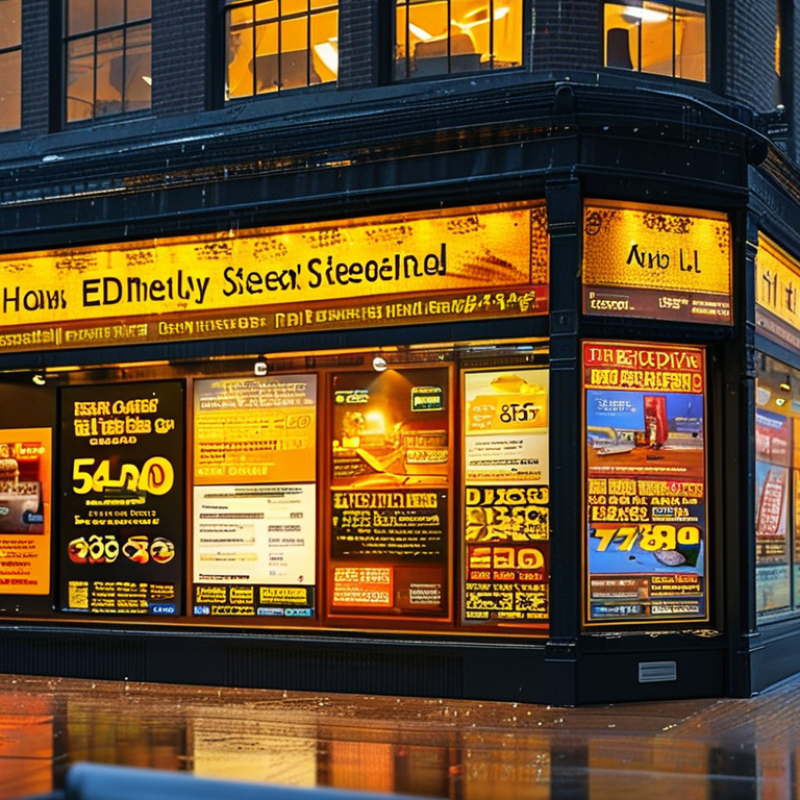
Understanding LED Window Display Types and Applications
How to Choose the Best LED Window Display?
LED window displays differ by structure, brightness, pixel pitch, and viewing distance. Transparent LED panels preserve daylight and suit glass storefronts. High-brightness fine-pitch screens create sharper images for close viewers. LED posters work better for temporary promotions and smaller retail spaces. Outdoor-facing windows need strong brightness, but excessive light can make content uncomfortable. A bright screen is not automatically a better screen.
Grand View Research reported that the global digital signage market was valued at approximately USD 31.78 billion in 2023. It also forecasts an 8.1% compound annual growth rate from 2024 to 2030. This growth reflects wider use in retail, transportation, hospitality, and public information environments. For window applications, choose pixel pitch according to viewing distance. A 2.5 mm pitch may suit close indoor viewing, while 4–6 mm can work across wider sidewalks. Check brightness in nits, refresh rate, heat management, and power consumption. These details often matter more than appearance.
Tips: Measure the glass area first. Then observe morning and evening sunlight. Select transparent displays when daylight matters. Use fine-pitch screens when shoppers stand nearby. Review technical testing reports, warranty terms, and installation records before purchasing. I once underestimated heat buildup near a sun-facing window; the image remained visible, but maintenance became harder. That mistake deserves attention. Also, verify content readability at eye level, not only from a showroom photograph.
How to Choose the Best LED Window Display? - Understanding LED Window Display Types and Applications
| Display Type | Typical Transparency | Typical Pixel Pitch | Typical Brightness | Recommended Viewing Distance | Best Applications | Main Advantages | Key Limitations | Installation Considerations |
|---|---|---|---|---|---|---|---|---|
| Transparent LED Film | Approximately 70%–95% | Approximately 3.9–10 mm | Approximately 1,000–4,500 nits | About 4–15 m | Retail storefronts, shopping malls, corporate reception areas, museums and glass partitions | Lightweight, highly transparent, low visual obstruction and suitable for large glass surfaces | Lower contrast in direct sunlight; adhesive installation requires clean, smooth glass | Needs a flat glass surface, concealed power and signal routing, and careful bubble-free application |
| Transparent LED Mesh | Approximately 40%–80% | Approximately 10–30 mm | Approximately 4,000–8,000 nits | About 10–40 m | Large shop windows, building façades, atriums, airports and high-brightness exterior-facing displays | Strong daylight visibility, lightweight structure, good ventilation and scalable for large areas | Coarser image detail and visible gaps at close range; content should use bold graphics | Usually suspended or mounted on a frame; wind load, access and structural support must be assessed |
| Fine-Pitch Indoor LED | Generally below 10% | Approximately 0.9–2.5 mm | Approximately 600–1,500 nits | About 1–8 m | Indoor retail displays, luxury stores, visitor centers, showrooms and control rooms | High image detail, excellent close-up viewing and strong color uniformity when properly calibrated | Blocks the view through the window; higher weight, heat output and installation complexity | Requires a rigid cabinet or frame, ventilation planning, service clearance and suitable indoor power circuits |
| Indoor LED Poster | Not transparent | Approximately 1.8–3.9 mm | Approximately 800–2,000 nits | About 2–10 m | Store entrances, promotional campaigns, event venues and temporary retail displays | Portable, quick to deploy, easy to replace and suitable for frequently changing content | Occupies floor or window area and is less suitable where natural light or visibility must be preserved | Needs stable floor support, nearby power and protection against accidental impact or unauthorized movement |
| Outdoor-Rated LED Cabinet Display | Not transparent | Approximately 3.9–10 mm | Approximately 4,000–10,000 nits | About 5–30 m | Exterior-facing storefronts, transport hubs, building entrances and high-ambient-light locations | High brightness, robust enclosure, better protection from dust and water, and strong long-distance visibility | Heavy, visually blocks the window and may require permits, structural reinforcement and higher operating power | Check enclosure rating, drainage, wind load, thermal management, service access and local electrical regulations |
| Flexible LED Display | Usually below 10%; varies by construction | Approximately 2.5–6.25 mm | Approximately 800–4,000 nits | About 3–15 m | Curved window features, columns, creative retail installations and irregular architectural surfaces | Can follow concave or convex shapes and enables distinctive creative designs | More demanding alignment, potential heat-management challenges and usually lower mechanical protection | Requires a custom support structure, controlled bending radius, protected cabling and precise module alignment |
Related Posts
-
Top 10 LED Display Innovations Transforming Digital Marketing Today
-
Best Indoor LED Display Screen for Global Buyers?
-
2026 How to Choose the Best Indoor LED Display Screen?
-
Top 10 Benefits of LED Window Displays for Retail Businesses
-

How to Choose a Large Touch Screen Monitor?
-
Top Tips for Buying Outdoor LCD Display for Your Business?















 Screen Size Calculator