How to Choose the Right LED Screen Panel for Your Needs?
Choosing the right led screen panel is less about chasing the highest resolution. It is about matching performance to the viewing environment, content, and budget.
Grand View Research valued the global LED display market at approximately USD 7.6 billion in 2022. Its forecast suggests continued growth through 2030, driven by retail, sports, transportation, and outdoor advertising. MarketsandMarkets also projects strong expansion, particularly for fine-pitch displays and direct-view LED technology. These figures show opportunity, but they do not identify the best panel for your project.
Distance matters most.
A 1.5 mm pixel pitch can produce sharp images in a control room, yet it may waste money in a stadium viewed from 30 metres away. Outdoor installations require higher brightness, weather protection, thermal control, and stable performance under sunlight. Indoor screens may need quieter operation, better grayscale, and tighter calibration. Refresh rate also deserves attention when cameras will record the screen.
Industry analyst Bob Raikes offers a useful principle: “Choose for the application, not the specification sheet.” That advice remains practical because impressive numbers can hide weak viewing angles, difficult maintenance, or excessive power consumption.
This guide examines pixel pitch, brightness, cabinet size, IP rating, refresh rate, service access, and total ownership cost. It also questions a common assumption: the most expensive led screen panel is not automatically the most reliable choice. Real performance depends on installation quality, calibration, content design, and after-sales support. A careful decision starts with the audience, the distance, and the light—not the brochure.
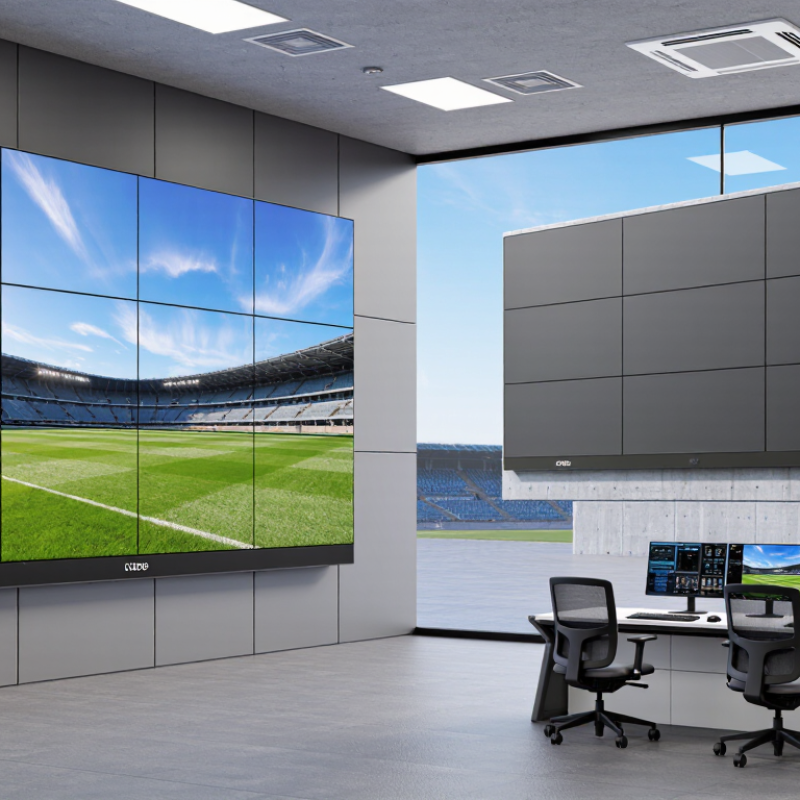
Define Your LED Screen’s Purpose and Installation Environment
Choosing an LED screen begins with its purpose, not its pixel pitch. A retail window needs high brightness and strong contrast. A conference room needs comfortable viewing and quiet operation. Outdoor signage faces sunlight, rain, dust, and temperature changes. AVIXA’s 2024 IOTA forecast expects professional audiovisual spending to approach 402 billion dollars by 2029. That growth makes application planning more important, not less.
Measure the installation environment carefully. Note the viewing distance, ambient light, ventilation, mounting height, and service access. A 2.5-millimeter pixel pitch may look sharp from three meters, but it can waste money in a distant stadium. For direct sunlight, specify brightness with automatic control rather than maximum output alone. Excess brightness can cause eye fatigue and unnecessary power use. Check enclosure protection against IEC 60529 ratings, such as IP65 for dusty, water-exposed locations. Heat remains a practical issue. Poor airflow can shorten component life, even when the screen looks excellent on day one. I would not trust a showroom demonstration completely.
Tips: Photograph the wall at morning and evening. Measure light levels with a lux meter. Mark the nearest viewer’s position. Ask for power, thermal, and maintenance data. Leave realistic service clearance. A small test panel can reveal glare, color shifts, and moiré before installation. It may feel slower, but replacing an unsuitable screen is far more expensive.
Choose the Appropriate LED Technology and Pixel Pitch
How to Choose the Right LED Screen Panel for Your Needs?
Choose the Appropriate LED Technology and Pixel Pitch
Selecting LED technology starts with the viewing environment. SMD modules suit many indoor and outdoor installations because they offer flexible brightness and repair options. COB technology can provide stronger surface protection and tighter pixel spacing. However, COB repairs may require specialized tools. The best choice depends on dust, moisture, viewing distance, and maintenance access. The U.S. Department of Energy’s 2023 Solid-State Lighting R&D Opportunities report identifies laboratory LED efficacy above 200 lumens per watt. Commercial display efficiency is usually lower. Cabinet design, driving systems, and brightness settings matter.
Pixel pitch controls image clarity and viewing distance. A 1.5 mm pitch places pixels closer together than a 3.9 mm panel. It normally suits close indoor viewing, such as meeting rooms or retail counters. A 6 mm pitch may work better for large halls or roadside displays. A practical estimate uses viewing distance in meters multiplied by one millimeter. Treat that only as a starting point. The formula is not perfect.
I have seen buyers choose extremely fine pitch for every project. The picture looked sharp, but the budget and maintenance burden increased sharply. Fine pitch is not automatically better. Omdia’s 2024 LED Video Display Market Tracker highlights continued demand for fine-pitch displays, especially in indoor applications. Still, brightness, refresh rate, grayscale performance, and calibration should be tested together. Request a sample panel under actual lighting. Small differences become obvious on camera.
How to Choose the Right LED Screen Panel for Your Needs?
Choose the appropriate LED technology and pixel pitch according to viewing distance and installation environment.
Smaller pixel pitches provide finer image detail and are generally preferred for close-up indoor viewing. Larger pitches are more practical for outdoor displays or installations viewed from greater distances. As a general planning rule, the minimum comfortable viewing distance in meters is approximately equal to the pixel pitch in millimeters. SMD technology is commonly used for versatile indoor and outdoor applications, while COB technology is often selected for high-density indoor displays that require improved surface protection and close viewing.
Compare Screen Size, Resolution, Brightness, and Viewing Distance
Choosing the right LED screen panel starts with the space, not the largest available display. Measure the wall, ceiling height, and audience area before comparing specifications. A three-meter-wide screen may look impressive, but it can overwhelm a narrow room. It may also block lighting or emergency sightlines. That detail matters.
Resolution depends heavily on viewing distance. A fine pixel pitch produces sharper images for viewers standing close to the screen. For a conference room, detailed charts and small text usually require higher resolution. A larger pitch can work for a stage viewed from several meters away. More pixels cost more, though. In some projects, I have seen buyers choose excessive resolution and gain little visible improvement. The wrong choice wastes budget.
Brightness should match the environment. Indoor panels often need moderate brightness, while outdoor screens must compete with direct sunlight. Excessive brightness can cause eye strain and make colors appear harsh. Viewing distance connects these decisions: close audiences notice pixel structure, while distant audiences benefit more from screen size and brightness. Create a full-size viewing mockup when possible. A specification sheet cannot show every real-world reflection, shadow, or viewing angle. Recheck the plan at different times of day. Conditions are rarely perfect.
Balance Product Quality, Budget, Warranty, and Long-Term Value
How to Choose the Right LED Screen Panel for Your Needs?
A good LED screen is more than a bright display. It must match your viewing distance, content, and installation environment. For close indoor viewing, a smaller pixel pitch usually produces sharper text. Outdoor screens need higher brightness, weather protection, and stable thermal performance. Ask for measured specifications, not only sales claims. I have inspected screens where brightness looked impressive, but uneven modules became obvious after several weeks. That mistake can be expensive.
Tips: Compare the total ownership cost. Include the screen, controller, installation, power use, maintenance, spare modules, and removal. Check the warranty carefully. Does it cover labor, dead pixels, power supplies, and color inconsistency? A longer warranty is useful only when response times are clearly stated. Request a sample panel and test it with your real content. Static signs, live video, and fine text reveal different weaknesses.
Budget still matters, but the cheapest panel may create higher costs later. Examine service access, replacement procedures, calibration tools, and parts availability. Ask how quickly technical support can respond. In my experience, simple maintenance saves more than impressive specifications. However, I once overvalued a long warranty and overlooked difficult access behind the display. That decision slowed repairs. Leave room for extra modules and future upgrades. Your first choice may not be perfect.
















 Screen Size Calculator