Why Choose LED Display for Your Global Business?
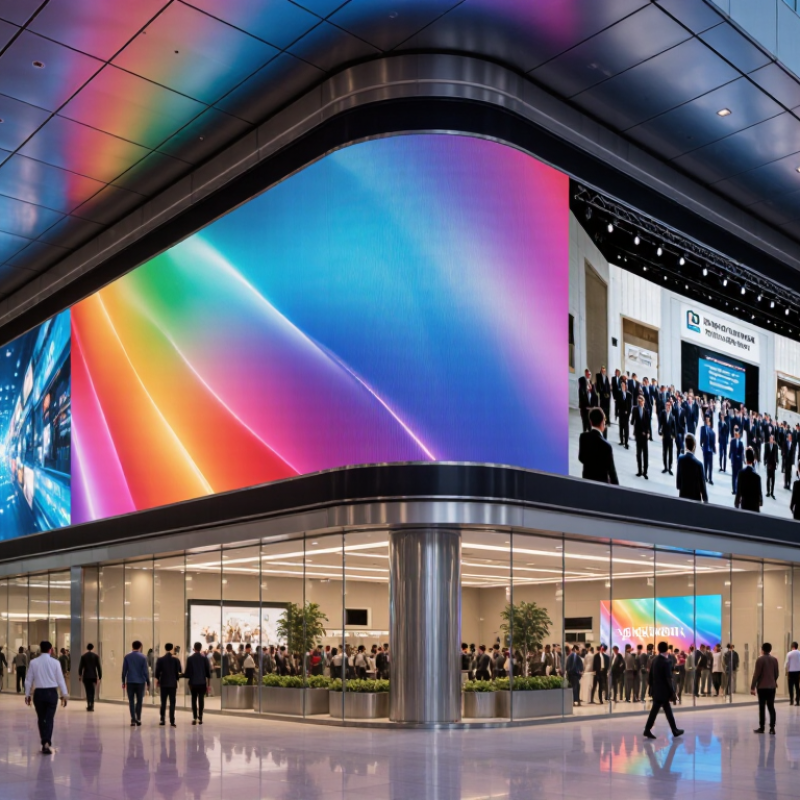
For a global business, communication must remain clear across languages, markets, and crowded environments. An led display can turn a storefront, airport booth, or conference stage into a visible brand experience. Unlike printed signs, it can show product demonstrations, price changes, schedules, and localized campaigns within seconds.
In real projects, display performance depends on more than brightness. Screen size, pixel pitch, viewing distance, weather protection, color accuracy, and maintenance access all affect the result. A retail screen beside a sunny entrance needs different specifications from an indoor presentation wall. Professional suppliers should explain these differences, provide documented testing, and support installation, calibration, and long-term service.
Reliability matters globally.
A dependable led display can reduce repeated printing, simplify content updates, and help regional teams work from one communication system. However, it is not automatically the best choice for every location. Energy use, local safety requirements, import conditions, and repair availability deserve careful review before purchase. Some businesses focus on impressive specifications and overlook service response time. That is a costly mistake. Another honest concern is content quality: a bright screen cannot repair unclear messaging. With practical planning, measurable standards, and experienced technical guidance, LED technology can support stronger visibility and more consistent brand communication across international markets. There may still be compromises, but informed decisions usually create better value than choosing only by price.
What Is an LED Display and How Does It Work?
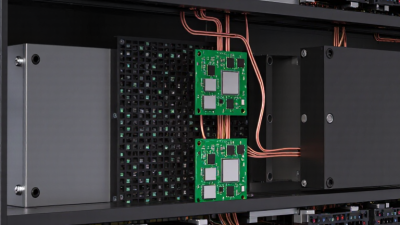
An LED display is a modular screen built from light-emitting diodes. Each pixel usually contains red, green, and blue diodes. By adjusting their electrical current, the display creates different colors and brightness levels. A controller sends image data to receiving cards inside each cabinet. Those cards drive thousands of pixels in precise sequences.
The process is digital, but the result feels physical. Imagine a stadium screen showing a moving face, with each tiny diode changing intensity many times per second. Pixel pitch determines viewing distance. Smaller pitch suits close indoor viewing, while larger pitch often works better outdoors.
Brightness, refresh rate, contrast, and weather protection also affect performance. A high refresh rate can reduce camera banding, but it cannot fix poor calibration.
Energy efficiency deserves careful interpretation. The U.S. Department of Energy states that LED lighting can use at least 75% less energy than incandescent lighting, yet an LED display is not a household bulb. Its processors, cooling systems, and brightness settings change actual consumption.
The International Energy Agency’s Energy Efficiency 2024 report estimates lighting uses roughly 15% of global electricity. This highlights why efficient display design matters for international operations. Still, efficiency figures are easy to oversell. Real performance depends on content, climate, installation, and maintenance. A technically advanced screen may perform poorly when heat, dust, or uneven calibration is ignored.
Which Business Applications Benefit from LED Display Technology?
Why Choose LED Display for Your Global Business?
Retailers, transport hubs, hotels, and corporate campuses benefit from LED display technology. These screens remain visible in bright sunlight, support multilingual content, and update messages within minutes. A 2024 report from Grand View Research estimates the global digital signage market will grow strongly through 2030, driven by retail, transportation, and hospitality demand. LED displays can support these sectors with product promotions, gate changes, emergency guidance, menus, and wayfinding.
Retail stores can place fine-pitch LED walls behind checkout areas, creating clear product stories without printed materials. Airports and stations need high-brightness screens with readable schedules from different distances.
Hotels can display event calendars, directions, and local services in several languages. Offices may use LED walls for visitor instructions, training, or live operational dashboards.
MarketsandMarkets projects the LED display market to expand at a double-digit rate between 2024 and 2029, reflecting wider commercial adoption. Still, growth does not guarantee success.
Tips: Measure viewing distance before choosing pixel pitch. Test content under morning glare, not only in a showroom. Build a local maintenance plan, including spare modules and inspection access. Also, check accessibility. Bright animation can distract people, and small text excludes viewers. No screen is perfect. Teams often overestimate brightness and underestimate content quality. A costly display can still feel empty when messages change too slowly. Use short headlines, strong contrast, scheduled updates, and region-specific wording. Review performance through dwell time, audience feedback, and operational errors, rather than impressions alone.
How Do LED Displays Support Global Brand Communication?
Global brand communication depends on consistency, but consistency does not mean identical content everywhere. LED displays give international teams a visible communication layer across airports, shopping districts, trade shows, and storefronts. Content can be scheduled by time zone, language, weather, or local campaign needs. A traveler may see a short welcome message in one city, while another audience receives a product demonstration nearby.
The World Out of Home Organization’s Global Expenditure Report 2024 estimated global out-of-home advertising revenue at approximately 42 billion dollars in 2023. Digital formats represented about one-third of that spending, showing how quickly screen-based communication is entering public environments. LED technology supports this shift through high brightness, large viewing angles, and flexible screen sizes. These features help preserve visual impact in sunlight, crowded streets, and large indoor venues. In practice, communication teams also gain faster content updates than printed campaigns allow.
However, brightness is not strategy. Poor translation, excessive animation, or unreadable text can weaken a global message. Teams should test viewing distance, local symbols, accessibility, and loading times before launch. Measurement also needs care. A screen impression is not automatically attention or trust. The Digital Signage Federation recommends combining playback data with audience and operational metrics where possible. That approach is useful, though imperfect. Sensors may count movement, but they cannot fully explain why someone remembered a message. A thoughtful LED network therefore needs creative discipline, local review, and regular content correction.
What Factors Should Businesses Consider Before Choosing an LED Display?
Choosing an LED display requires more than comparing screen size or quoted brightness. Viewing distance should guide pixel pitch: fine-pitch panels suit close indoor audiences, while larger pixels can serve highways, arenas, and building façades. MarketsandMarkets’ 2024 LED Display Market report estimates growth from roughly USD 9 billion in 2024 to more than USD 13 billion by 2029. That expansion reflects demand, not automatic return on investment.
Brightness must match the environment. Excessive brightness can waste energy, distract viewers, and create local compliance problems. Ask for calibrated brightness, dimming control, and measured power consumption at typical content levels. A display rated at peak power may look impressive on paper. It may not represent daily operation. Thermal design also matters in hot cities, while IP ratings under IEC 60529 help assess protection from dust and water. Weatherproofing is not a substitute for proper installation.
Global businesses should examine maintenance access, spare-part availability, language support, and electrical compatibility before signing a contract. Remote monitoring can reduce downtime, but it still needs trained staff and a clear response process. The Uptime Institute’s operational guidance repeatedly emphasizes maintainability and resilient procedures in critical environments. Plan for those details early. Warranty terms should state brightness retention, dead-pixel limits, repair timing, and software responsibilities. A lower purchase price can become expensive when a failed module requires overseas shipping. Perfect specifications rarely exist; a pilot installation, measured after sunset and during daylight, can expose assumptions before a full rollout.
Why Choose LED Display for Your Global Business?
Brightness is one of the most important factors when selecting an LED display. The installation environment, ambient light, viewing distance, content type, and local weather conditions should all be evaluated before purchase.
Typical planning ranges: indoor displays commonly use about 500 nits, shaded outdoor displays about 2,500 nits, and direct-sunlight outdoor displays about 5,000 nits or more. The final specification should be verified through on-site photometric assessment, content requirements, viewing distance, and local regulations.
How Can Companies Plan LED Display Deployment Across Multiple Markets?
Why Choose LED Display for Your Global Business?
How Can Companies Plan LED Display Deployment Across Multiple Markets?
Global LED deployment should begin with local conditions, not a universal equipment list. Review viewing distance, sunlight, climate, power stability, and installation space in every market. A busy outdoor boulevard may require high brightness and weather protection. An indoor retail site may need finer pixel density and quieter operation. Local electrical codes, permits, accessibility rules, and content standards must also shape the plan.
The first plan is rarely perfect. A single global specification may simplify purchasing, but it can create unnecessary costs or weak visual performance. Build a shared technical baseline, then allow regional adjustments. Test one location in each major climate zone before expanding. Measure brightness, energy use, image quality, downtime, and audience visibility. These results can guide safer, more consistent decisions. Keep spare modules and local service training available. Delays often begin with small missing parts.
Tips: Create a market-by-market checklist. Record screen size, viewing distance, operating hours, maintenance access, network reliability, and approval requirements. Use the same reporting format across teams. It makes differences easier to compare. Plan content workflows early, especially when languages, currencies, and cultural preferences vary. Leave room for improvement. Overly rigid plans can age quickly.
| Market Group | Nominal Utility Supply | Typical Deployment Environment | Recommended Planning Brightness | Recommended Protection Level | Key Environmental Considerations | Content and Operations Planning | Deployment Priority |
|---|---|---|---|---|---|---|---|
| United States and Canada | 120 V, 60 Hz in most facilities; local variations may apply | Retail storefronts, transport hubs, sports venues, corporate campuses | Indoor: approximately 500–1,000 cd/m² Outdoor: approximately 5,000–7,000 cd/m² |
Outdoor: IP65 or higher | Snow, freezing temperatures, strong sunlight, and regional wind-load requirements | Use English and French where required; plan daylight and nighttime brightness profiles; verify electrical and structural permits by jurisdiction | Electrical compatibility, structural engineering, and accessibility compliance |
| European Union | 230 V, 50 Hz nominal supply | Urban retail, public information, transport, and commercial buildings | Indoor: approximately 500–1,000 cd/m² Outdoor: approximately 4,000–6,000 cd/m² |
Outdoor: IP65 or higher | Seasonal rain, cold weather, dense urban regulations, and light-pollution controls | Prepare multilingual content; apply local energy, electromagnetic compatibility, safety, and signage requirements | Country-level permitting, energy efficiency, and multilingual content governance |
| United Kingdom and Ireland | 230 V, 50 Hz nominal supply | High streets, airports, shopping centres, stadiums, and roadside locations | Indoor: approximately 500–1,000 cd/m² Outdoor: approximately 4,000–6,000 cd/m² |
Outdoor: IP65 or higher | Frequent rain, wind exposure, low winter daylight, and strict planning controls | Use regionally appropriate English content; include automatic dimming, scheduled maintenance, and remote monitoring | Planning permission, brightness limits, and reliable weather protection |
| Japan and South Korea | Japan: 100 V, 50 or 60 Hz by region South Korea: 220 V, 60 Hz |
Dense urban retail, transit systems, indoor malls, and entertainment districts | Indoor: approximately 500–1,200 cd/m² Outdoor: approximately 4,000–6,000 cd/m² |
Outdoor: IP65 or higher | High humidity, typhoons, earthquakes, salt air in coastal areas, and limited installation space | Support local languages and character rendering; prioritize compact service access, vibration resistance, and redundant control systems | Seismic design, compact installation, and high-availability content control |
| China and Southeast Asia | Commonly 220–240 V, 50 Hz; verify the exact site supply | Shopping centres, commercial towers, transport hubs, outdoor advertising, and event venues | Indoor: approximately 500–1,200 cd/m² Outdoor: approximately 5,000–7,000 cd/m² |
Outdoor: IP65 or higher | High heat, monsoon rainfall, humidity, dust, coastal corrosion, and high-density urban conditions | Plan simplified local-language workflows; use environmental sensors, scheduled brightness control, and regional content approval procedures | Thermal management, corrosion protection, local approvals, and content localization |
| India | 230 V, 50 Hz nominal supply | Retail façades, transport terminals, education, hospitality, and outdoor advertising | Indoor: approximately 500–1,000 cd/m² Outdoor: approximately 5,000–7,000 cd/m² |
Outdoor: IP65 or higher | High solar radiation, heat, dust, monsoon rain, and possible voltage fluctuations | Provide multilingual content capability; include surge protection, voltage monitoring, backup control, and preventive cleaning schedules | Power quality, heat dissipation, dust protection, and regional-language support |
| Middle East | Commonly 220–240 V, 50 Hz; verify the exact site supply | Shopping malls, airports, hospitality venues, stadiums, and large outdoor façades | Indoor: approximately 800–1,500 cd/m² Outdoor: approximately 6,000–8,000 cd/m² |
Outdoor: IP65 or higher | Extreme heat, direct sunlight, dust, sand, and high cooling demand | Support Arabic and bidirectional text; implement daylight sensors, thermal alarms, dust-cleaning plans, and nighttime dimming | Thermal design, dust sealing, cooling capacity, and bilingual content production |
| Australia and New Zealand | 230–240 V, 50 Hz nominal supply | Retail centres, stadiums, public spaces, transport, and roadside installations | Indoor: approximately 500–1,000 cd/m² Outdoor: approximately 5,000–7,000 cd/m² |
Outdoor: IP65 or higher | Strong ultraviolet exposure, heat, coastal salt, wind, and bushfire-risk areas | Plan English-first content; include UV-resistant materials, automatic dimming, wind-load assessment, and remote diagnostics | UV resistance, structural safety, weather sealing, and maintenance access |
| Latin America | Varies by country; common systems include 127 V or 220–240 V, typically 50 or 60 Hz | Retail, transit, public squares, stadiums, and roadside advertising | Indoor: approximately 500–1,000 cd/m² Outdoor: approximately 4,000–7,000 cd/m² |
Outdoor: IP65 or higher | High humidity, tropical rain, dust, heat, coastal corrosion, and variable power quality | Support Spanish and Portuguese; design for remote monitoring, spare-parts availability, surge protection, and local service coverage | Power compatibility, corrosion resistance, service logistics, and language localization |
Related Posts
-
What Is an LED Display and How Does It Work?
-
Top 10 Benefits of Using LED Displays for Your Business Growth
-
10 Best Large LED Screen Suppliers for Global Buyers?
-
China Top LED Screen Panel Manufacturers How to Choose?
-
What Is an LED Screen Panel?
-
10 Essential Tips for Choosing the Perfect LED Display Screen for Your Needs