Enquire Now
Enquire Now

At Pro Display we’re always happy to help you select the very best display technology for your project.

If you require any further information, pricing or technical assistance, please call us, or send us a message through the form below.

You can also sign-up to our mailing list here too.

    What Is an LED Screen Panel?

    An LED screen panel is a modular display unit that uses light-emitting diodes to create images, video, and text. Panels join together to form a larger screen. Their small gaps may be nearly invisible from the intended viewing distance, though not always from close up.

    A useful paraphrase of display analyst Dr. Raymond Soneira’s approach to display quality is: “Specifications matter, but the image people actually see is the real test.” This is a paraphrase, not a verbatim quotation. It points to a practical lesson: pixel pitch, brightness, color accuracy, and viewing distance should be considered together. A bright panel may look vivid outdoors, yet appear harsh in a dim room. Small details matter.

    This guide explains how LED screen panels work, what their key specifications mean, and how to compare options for indoor and outdoor use. It also covers cabinet design, maintenance, and common trade-offs, including resolution versus viewing distance. For example, a tight pixel pitch can produce sharper images at close range, but often increases cost. Installation conditions matter, too. Heat, ventilation, and access for repairs can affect long-term performance.

    No single specification tells the whole story. Real-world results depend on setup and use, and product claims deserve careful checking. That distinction is easy to overlook. A well-chosen LED screen panel should fit its environment, content, and maintenance plan—not just look impressive on a datasheet.
    What Is an LED Screen Panel?

    Definition and Core Features of an LED Screen Panel

    What Is an LED Screen Panel?

    Definition and Core Features of an LED Screen Panel

    An LED screen panel is a display surface made from many light-emitting diodes arranged in a grid. Each diode produces colored light, and groups of red, green, and blue diodes create the pixels that form images. Panels are often built from smaller modules mounted inside a rigid cabinet. This modular design makes large displays possible and can simplify repair when a section is damaged.

    Pixel pitch describes the distance between neighboring pixels, usually measured in millimeters. A smaller pitch can produce sharper images at close viewing distances, but it may increase cost. Brightness, commonly measured in nits, affects visibility in changing light. An indoor panel beside a dim stage needs different brightness from an outdoor screen facing direct sunlight. That matters.

    Other core features include color reproduction, refresh rate, viewing angle, and power use. These figures are useful, but they do not tell the whole story. A screen may look different depending on its content, calibration, and viewing distance. In practice, choosing a panel can feel less straightforward than comparing a specification sheet. A test image viewed from the intended audience area often reveals details that numbers miss.

    Small detail. A slight color mismatch across modules can also become noticeable on a large, uniform image.

    Main Components and Their Functions

    An LED screen panel is built from small modules that combine to form one visible image. At pixel level, red, green, and blue light-emitting diodes mix to create color. Pixel pitch—the distance between pixel centers—helps determine viewing distance and image detail. Smaller pitch usually means a sharper image up close, but it also raises manufacturing demands.

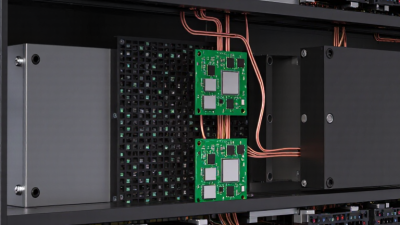
    Tiny emitters, precise timing. The printed circuit board holds the LEDs and routes signals. Driver ICs regulate current and switch pixels rapidly, while the receiving card interprets image data from the control system. The power supply converts incoming electricity into stable low-voltage current. The U.S. Department of Energy’s 2022 Solid-State Lighting R&D Opportunities report sets a 250 lm/W efficacy target for LED packages by 2035. That figure concerns LED-package research, not whole-screen efficiency; cabinets, electronics, and brightness settings also affect power use.

    A metal cabinet supports the modules and helps move heat away from them. Fans or passive cooling may be used, depending on panel design and installation. Heat matters: sustained high temperatures can affect color consistency and component life. A control system maps video signals to individual modules, so a loose data cable can create a dark block rather than a subtle image error. I still find this easy to overlook. A panel is not just LEDs; it is an electrical, thermal, and data system working together.

    How an LED Screen Panel Produces Images

    An LED screen panel creates an image with many tiny red, green, and blue light-emitting diodes. Each group forms a pixel. A controller sends separate electrical signals to the colors, adjusting their brightness to mix hues. Dim all three, and the pixel looks dark. Raise them together, and it appears white. The image is built pixel by pixel.

    The panel’s driver circuits refresh rows rapidly, so changing pixel values form moving pictures. Pixel pitch—the distance between neighboring pixels—helps determine how sharp an image looks from a given distance. Smaller pitch packs more pixels into the same area, but costs more and can demand finer calibration. Small details matter. The U.S. Department of Energy’s 2022 Solid-State Lighting R&D Opportunities report notes that LED package efficacy can exceed 200 lumens per watt. That figure describes light output per electrical input, not a screen’s brightness; optics, heat, and control electronics affect the finished panel. A practical limitation: close viewing can reveal uneven color or brightness, even when the image looks smooth from across a room. Fine tuning helps, but it is never quite perfect.

    Common Types and Panel Configurations

    An LED screen panel is a modular display surface, but “panel” can mean a module or a complete cabinet. Modules carry the LEDs; cabinets hold modules, power supplies, and control electronics. That distinction matters when comparing specifications. Direct-view LED panels suit large walls and close-up displays, while outdoor versions use brighter output and weather-resistant enclosures. Fine-pitch indoor panels place pixels closer together, so text and faces look smoother at short viewing distances. Transparent and flexible panels support windows or curved layouts, though they can trade image uniformity for visual openness.

    Configurations shape the result as much as panel type. Flat tiled cabinets create a standard video wall; curved cabinets form arcs, and rental cabinets can stack into temporary stages. Pixel pitch is the distance between neighboring pixels, measured in millimeters: smaller pitch usually supports closer viewing, but raises cost and may complicate maintenance. There is no perfect pitch choice. MarketsandMarkets’ LED Display Market report estimated the market at US$7.5 billion in 2023 and projected US$12.7 billion by 2028, reflecting broader demand across display types and applications. That growth does not make every configuration suitable. Measure the viewing distance, ambient light, wall shape, and access for servicing before choosing. A small seam can still show.

    What Is an LED Screen Panel? - Common Types and Panel Configurations

    Panel Type Typical Pixel Pitch Common Configuration Typical Applications Key Considerations
    Indoor fine-pitch LED About 0.9–2.5 mm Small, closely spaced LED pixels assembled into a larger wall; often viewed at short distances. Control rooms, meeting spaces, broadcast backgrounds, and premium indoor displays. Fine pitch supports close viewing, but higher pixel density generally increases cost and can require careful handling.
    Indoor standard-pitch LED About 2.5–6 mm Cabinets joined in a flat, fixed-size wall or display. Retail environments, auditoriums, event venues, and indoor signage. Choose pitch according to viewing distance, screen size, and the level of detail required.
    Outdoor LED About 3–10 mm or more Weather-resistant cabinets arranged as a fixed installation, commonly with front or rear service access. Building signage, roadside displays, stadiums, and public-space information screens. Brightness, weather protection, viewing distance, ventilation, and local installation requirements matter.
    Rental and touring LED Often about 1.5–5 mm Lightweight, modular cabinets connected into temporary flat, curved, or stacked screens. Concerts, exhibitions, conferences, and temporary stages. Fast connections and serviceability are useful for repeated setup; rigging and structural safety need professional planning.
    Transparent LED Varies by design; commonly specified by pixel pitch and transparency Open or transparent modules mounted on a frame or glass-facing structure. Storefronts, atriums, and architectural displays where some light or visibility through the screen is desired. Transparency can reduce visual obstruction, while image appearance depends on viewing distance, ambient light, and content.
    Flexible LED Varies by product, commonly in fine-to-medium pitches Flexible modules shaped around suitable curved surfaces or assembled into a curved display. Curved indoor features, exhibition designs, and creative architectural installations. Permitted bend radius and installation method are product-specific; flexible does not mean suitable for every curve or environment.

    Pixel-pitch ranges are representative, not fixed standards. Available pitches, cabinet sizes, brightness, and service methods vary by panel design and intended environment.

    Typical Applications and Key Selection Factors

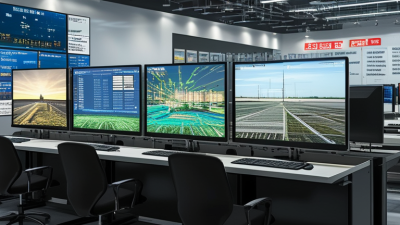
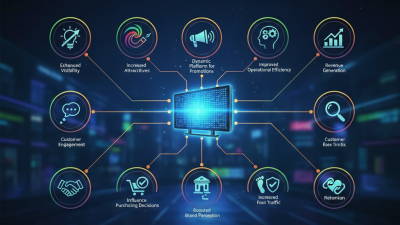
    An LED screen panel forms an image from many small light-emitting diodes. Panels can be joined into larger displays, which makes them useful in retail spaces, event venues, transport hubs, and control rooms. A shop might use a bright screen to show changing promotions, while a meeting room may need clear text and balanced color at close range.

    Selection starts with viewing distance. A finer pixel pitch usually helps when people stand near the display, but it can raise costs without adding much value in a distant venue. Ambient light matters too. A screen facing sunlit windows needs more brightness than one in a dim conference room. Distance matters. Check the refresh rate if cameras will film the display, and consider color consistency across panels for wide installations.

    The installation environment shapes the remaining choices. For outdoor use, check the panel’s stated weather protection and operating limits; indoors, noise, heat, and service access may matter more. Confirm power needs, mounting requirements, and how content will be managed. A specification sheet cannot predict every viewing condition. Pixel pitch alone is an easy thing to overvalue, so test a sample at the actual viewing distance when possible. A small mismatch can be noticeable.

    Screen Size Calculator