How to Choose the Best Outdoor Display for Your Needs?
Choosing the right outdoor display can be challenging. Recent industry reports indicate that the global outdoor display market is projected to reach $24 billion by 2028, reflecting its growing importance. As businesses leverage outdoor displays for advertising and engagement, understanding key factors is crucial for success.
Outdoor displays come in various types and technologies. LED, LCD, and projection systems each serve unique purposes. For instance, LED displays are known for their brightness and outdoor visibility. In contrast, LCD screens often deliver sharper images in shaded locations. Selecting the best option requires careful consideration of your specific needs and environment.
Moreover, it's essential to evaluate durability and weather resistance. The right outdoor display should withstand rain, wind, and varying temperatures. Not all displays are created equal in this regard. Investing in higher quality products may lead to better longevity and performance. In a market driven by technological advancements, staying informed about the latest developments is vital for making the best choice.
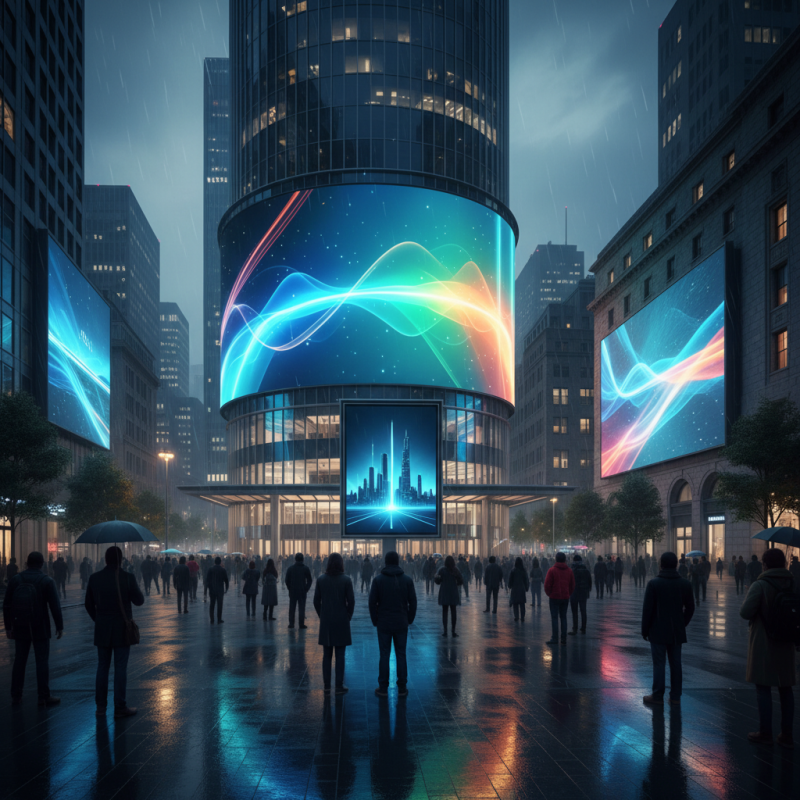
Understanding Different Types of Outdoor Displays and Their Applications
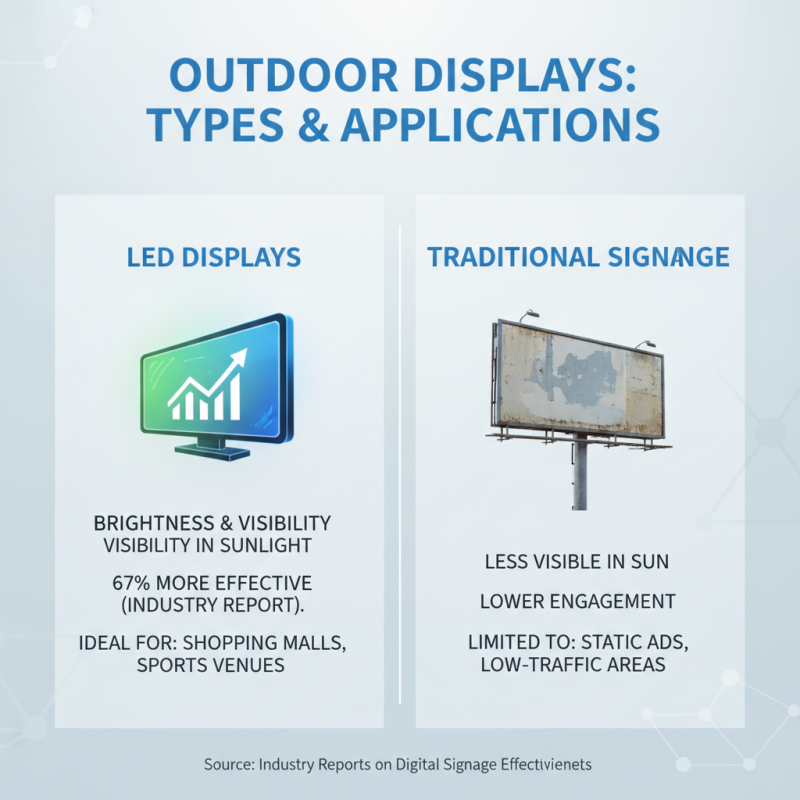
When selecting an outdoor display, it's crucial to understand the various types available. LED displays are popular for their brightness and visibility in sunlight. According to industry reports, around 67% of consumers find LED signs more effective than traditional signage. This makes them ideal for busy locations like shopping malls or sports venues.
Another option is digital billboards. These displays are versatile, allowing for dynamic content updates. They can reach a larger audience efficiently. Research indicates that digital billboards can boost brand awareness by 46% compared to static signs. However, their installation costs can be high, posing challenges for smaller businesses.
Projector displays have emerged as a unique solution for outdoor events. They can transform any surface into a viewing screen. Their flexibility is appealing, but they require a darker environment to get the best results. Conflicting factors like ambient light can affect performance, leading to less clarity in certain situations. An informed choice balances visibility, cost, and the intended application, ensuring that the selected display meets specific needs effectively.
Assessing Brightness Levels: Choosing the Right Nits for Various Lighting Conditions
When selecting an outdoor display, assessing brightness levels is crucial. Brightness is measured in nits. This measurement indicates how visible the display is in various lighting conditions. For bright, sunny environments, look for displays with higher nits, typically around 2,500 to 5,000 nits. These levels ensure the content is easily seen, even under direct sunlight.
Conversely, in shaded or overcast conditions, lower brightness levels may suffice. Displays with 1,000 to 2,500 nits can perform well in these environments. However, choosing too low a brightness might lead to unreadable content. It's essential to consider the specific location and typical weather to make informed choices.
Think about the display's usage. Will it feature static images or dynamic content? Static images can appear more vibrant at lower brightness levels. Dynamic content often requires higher nits to maintain clarity. Without careful consideration of these factors, you may find your outdoor display inadequate. The right brightness can enhance visibility and engagement significantly.
Brightness Levels of Outdoor Displays
This chart illustrates the recommended brightness levels (in nits) for outdoor displays under different lighting conditions, helping users to choose the right display based on their environment.
Evaluating Weather Resistance Ratings: IP Ratings Explained for Outdoor Use
When selecting an outdoor display, understanding weather resistance is crucial. One essential factor is the IP (Ingress Protection) rating. This rating system indicates how well a device can withstand dust and moisture. A higher IP rating signifies better protection. For outdoor displays, consider models with at least an IP65 rating. This level ensures protection against low-pressure water jets and limited dust ingress.
Evaluating the IP rating involves looking at two digits. The first digit ranges from 0 to 6, representing dust protection. A '6' rating means complete dust tightness. The second digit ranges from 0 to 8, indicating moisture protection. An IP68 rating offers full immersion in water. However, achieving high ratings often comes with a higher price tag.
Another point to ponder is real-world performance. IP ratings are laboratory-tested, but real outdoor conditions can vary. Temperature fluctuations, humidity, and unexpected weather events can impact performance. Regular maintenance and checks for wear are vital. Each installation situation is unique, so what works perfectly for one may not necessarily fit another. This reflection is essential when making your choice.
Determining Optimal Size and Resolution for Effective Audience Engagement
When selecting an outdoor display, size and resolution are crucial for audience engagement. A larger screen typically captures more attention. However, you need to balance size with the viewing distance. For example, a 55-inch display is great for close viewing, while larger screens serve well in open spaces. The right size ensures that your messages are readable and impactful.
Resolution is equally important. Higher resolutions provide sharper images, which enhance visibility, especially from afar. Aim for at least 1080p for medium-sized displays. For larger installations, consider 4K or higher. But beware: High resolution often means higher costs. Evaluate your budget and audience needs carefully.
Another aspect to reflect on is outdoor conditions. Bright sunlight can wash out images, making resolution less effective. In such cases, choose displays with high brightness levels and anti-reflective coatings. You may also face challenges with extreme weather. Assessing durability and weather resistance is essential. Engage in regular maintenance to ensure longevity. These considerations unite size, resolution, and context for effective outdoor displays.
Analyzing Costs vs. Benefits: Budgeting for Your Outdoor Display Investment
When budgeting for an outdoor display investment, it’s crucial to evaluate costs against potential benefits. Research indicates that LED displays have a lifespan of 100,000 hours and consume 30% less energy than traditional displays. This longevity can significantly reduce replacement costs over time, making LED options attractive despite their higher upfront costs. The average price of outdoor LED displays can range from $20,000 to $100,000, which might seem considerable initially.
Consider the long-term savings. If an outdoor display costs $50,000 but saves $5,000 annually on energy bills, the payback period is just ten years. Many reports show that businesses can increase revenue by up to 33% after installing digital signage. This increase often offsets initial expenses and improves return on investment.
However, it's essential to remember installation and maintenance costs. Poor installation can lead to higher repair costs and decreased display efficiency. Evaluating these factors thoroughly is critical. The impact of strategic budget allocation can create a significant difference. Carefully track your expenses and anticipate future needs to ensure the display serves your long-term goals.



















 Screen Size Calculator