Enquire Now
Enquire Now

At Pro Display we’re always happy to help you select the very best display technology for your project.

If you require any further information, pricing or technical assistance, please call us, or send us a message through the form below.

You can also sign-up to our mailing list here too.

    Top Outdoor LED Display Manufacturers for Global Buyers

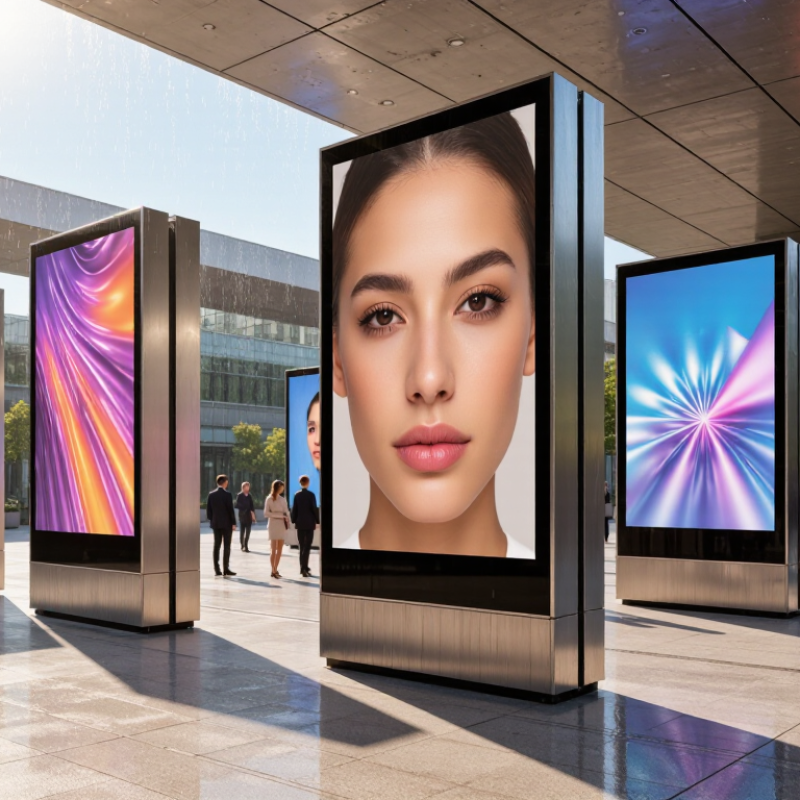
    Global buyers comparing top outdoor LED display manufacturers need more than a bright product photo. They need evidence of performance in real conditions: clear images under midday sun, stable operation through rain and heat, and service support when a cabinet or power supply fails. Pixel pitch matters, but so do brightness control, weather protection, spare-part availability, and the quality of installation guidance.

    This guide examines manufacturers through those practical questions. It considers product range, documented specifications, project experience, customization, and after-sales support. A datasheet can look convincing. Field performance is the harder test. Buyers should also check how each supplier handles maintenance, because even a strong display can become a costly headache without a workable service plan.

    The requested expert quotation cannot be verified from the material provided, so I won’t invent one or attribute words to a real person. That matters here: trustworthy sourcing is part of a reliable buying decision.
    Top Outdoor LED Display Manufacturers for Global Buyers

    Outdoor LED Displays: Core Technologies, Formats, and Applications

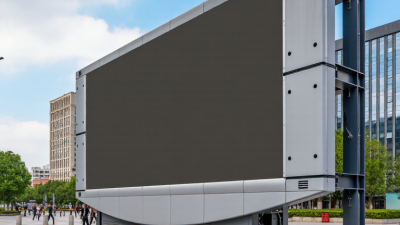
    Outdoor LED displays combine high-brightness modules, weather-resistant cabinets, and control systems designed for changing light and temperature. Pixel pitch determines viewing distance: a tighter pitch suits pedestrians near a storefront, while a wider pitch can serve roadside audiences. Common formats include roadside billboards, building façades, stadium screens, and transport displays. Each needs different priorities, from readable text at speed to smooth motion for live video. The Outdoor Advertising Association of America reported that U.S. out-of-home advertising revenue reached $9.1 billion in 2023, with digital formats contributing about one-third. That figure shows the medium’s commercial relevance, though it is not a measure of LED hardware sales.

    Tips: Check brightness after dusk, not only at noon. Confirm cabinet ratings, drainage paths, and service access before installation. A display can look vivid in a showroom and still wash out under direct sun. Ask suppliers for measured brightness, power consumption, and maintenance procedures under realistic operating conditions. Also consider viewing angle and ambient temperature; a technically impressive screen may perform poorly if its placement is wrong. Specifications matter. So does the site.

    Top Outdoor LED Display Manufacturers for Global Buyers - Outdoor LED Displays: Core Technologies, Formats, and Applications

    Display Category Typical Pixel Pitch Core Technologies Common Formats Typical Applications Key Buyer Considerations
    Outdoor fixed-installation display Approximately 3–10 mm Direct-view LED; weather-resistant modules; front or rear service access Building-mounted screens, freestanding billboards, stadium perimeter displays Advertising, public information, sports venues, transport hubs Viewing distance, structural loading, local wind conditions, service access, and brightness control
    Large-format digital billboard Approximately 6–20 mm High-brightness LED cabinets; ambient-light sensing; scheduled content management Roadside billboards, rooftop displays, large-format roadside signs Outdoor advertising and public campaigns Road-safety rules, sightlines, permitted brightness, content scheduling, and maintenance access
    Outdoor fine-pitch display Approximately 1.5–4 mm High-density LED packages; precise calibration; fine-pitch module assembly Compact façade screens, entrance displays, close-view outdoor video walls Retail, corporate campuses, cultural venues, and premium public spaces Close viewing distance, resolution requirements, heat management, and total project cost
    Transparent LED display Varies by product design Transparent LED strips or mesh; open-area construction; reduced visual obstruction Window displays, glass façades, architectural installations Retail storefronts, commercial buildings, event spaces Transparency, daylight visibility, glass and façade compatibility, and viewing angles
    Outdoor LED mesh display Varies by mesh density and viewing distance Open-grid LED structure; airflow through the display; modular installation Building façades, bridges, large architectural surfaces Architectural media, landmark lighting, large-scale advertising Wind load, mounting design, resolution at the intended viewing distance, and maintenance access
    Rental and touring LED display Approximately 2.5–6 mm Lightweight cabinets; quick-lock connections; stackable or riggable structures Temporary stages, outdoor festivals, touring event walls Concerts, festivals, sporting events, and public gatherings Setup time, cabinet weight, rigging requirements, weather protection, and transport logistics
    Outdoor information and wayfinding display Approximately 4–12 mm LED modules; brightness adjustment; integration with content or sign-management systems Transit signs, campus directories, public-service displays Transport, municipal information, campuses, and visitor facilities Readability, operating hours, remote monitoring, accessibility, and environmental conditions
    Note: Pixel-pitch ranges are indicative examples, not universal specifications. Suitable pitch, brightness, protection rating, and cabinet design depend on viewing distance, installation conditions, local regulations, and the project brief.

    Key Selection Metrics: 5,000-Nit Brightness, IP65 Protection, and Pixel Pitch

    Outdoor LED display selection begins with sunlight, rain, and viewing distance. For global buyers, a 5,000-nit rating offers strong daytime visibility in exposed locations. It is not a universal answer. Nearby reflective glass, heat, and automatic brightness settings can change real performance. Ask for measured brightness data, not only a product-sheet maximum. A calibrated test video helps, although it cannot replace an on-site review.

    IP65 protection means dust cannot enter under normal testing, while the enclosure withstands water jets. It does not mean safe submersion. Check cabinet seals, cable glands, drainage paths, and service-door alignment. Small installation details matter. In coastal or dusty areas, inspect corrosion resistance and schedule cleaning. I have seen excellent panels fail early because water collected above a poorly routed cable.

    Pixel pitch should match viewing distance and content type. A tighter pitch creates sharper text at close range, but it usually raises cost and service demands. Use a viewing-distance calculation, then test real text, faces, and motion before approval. Do not judge only from a bright showroom. A 5,000-nit display can still look uneven if modules are poorly calibrated. Request uniformity reports, refresh-rate data, spare-part plans, and warranty terms. No specification is perfect. Confirm performance under the exact conditions your site will impose.

    Outdoor LED Display Selection Metrics

    Compare common outdoor pixel-pitch options. For global-buyer comparisons, also check brightness (a 5,000-nit target) and IP65 protection; these are separate specifications, not pixel-pitch values.

    Pixel-pitch values shown are example configurations, not a survey of manufacturers. Smaller pixel pitch means denser pixels; suitability depends on viewing distance and installation needs.

    Comparing Manufacturers by Cabinet Design, Refresh Rate, and Service Life

    Outdoor LED display manufacturers should be compared through measurable cabinet design, refresh rate, and service life. A die-cast aluminum cabinet reduces weight and improves heat transfer. Front-service access can shorten maintenance time in crowded streets. For outdoor protection, buyers should check IP ratings under IEC 60529, not rely on marketing phrases. IP65 is common, but drainage, seals, and cable protection still matter.

    Refresh rate affects camera footage, scrolling text, and live events. A 1,920 Hz display may perform adequately for basic advertising. A 3,840 Hz or higher specification usually produces cleaner recordings and fewer scan-line artifacts. However, the figure alone proves little. Driver quality, grayscale performance, and brightness control also influence images. A 2023 market analysis by Omdia identified fine-pitch and high-performance outdoor displays as important growth areas, but purchasing decisions still require on-site testing.

    Tips: Request a camera test at different shutter speeds. Ask for thermal images after several hours. The U.S. Department of Energy’s Solid-State Lighting R&D Plan notes that LED life depends heavily on temperature, current, and lumen maintenance. Its widely used 50,000-hour expectation is not a promise. Dust, salt air, and constant high brightness can reduce it. I have seen impressive specifications fail under poor ventilation. Buyers should request LM-80 and TM-21 documentation, repair procedures, spare-part availability, and warranty conditions. A longer warranty is useful, but response time matters more.

    Global Supplier Evaluation: Certifications, Warranty, Installation, and Support

    Top Outdoor LED Display Manufacturers for Global Buyers

    Global Supplier Evaluation: Certifications, Warranty, Installation, and Support

    Choosing an outdoor LED display supplier requires more than comparing cabinet prices. Start by requesting current certificates and complete test reports. CE, FCC, UKCA, RoHS, and EMC documentation should match the exact display model. Check the issuing laboratory, testing scope, and expiration date. A certificate alone proves little.

    Weather performance needs practical evidence. Look for an IP65-rated front surface, sealed power compartments, and corrosion-resistant cabinet materials. Ask for brightness data measured under real conditions, not only laboratory figures. An outdoor display facing direct sunlight may need stronger brightness and automatic adjustment. Wind-load calculations should also fit the installation site. Small details matter.

    Warranty terms must define coverage clearly. Confirm the period, excluded parts, pixel-failure policy, and replacement process. Some suppliers promise long warranties but provide limited spare modules. That can create expensive delays. Installation support should include structural drawings, grounding guidance, wiring diagrams, commissioning, and service-access planning. Remote training is useful, but local technical support is better when available. Request response-time commitments and a spare-parts list.

    Experienced buyers should test support before signing. Send technical questions and measure the reply quality. Vague answers are warning signs. I have seen projects delayed because manuals arrived after installation. That mistake is avoidable. Also verify software compatibility, maintenance procedures, and protection against voltage fluctuations. No supplier is perfect, and advertised specifications may need independent confirmation. Reliable evaluation combines documents, site planning, service evidence, and careful questioning.

    Procurement and Compliance: Power Use, Shipping, Maintenance, and Total Cost of Ownership

    Top Outdoor LED Display Manufacturers for Global Buyers

    Procurement should begin with power, not pixels. A high-brightness outdoor display may consume 300–800 watts per square meter at peak output, depending on cabinet design and content. The U.S. Department of Energy’s Solid-State Lighting reports stress efficacy, thermal control, and proper dimming as major efficiency factors. Request maximum and typical wattage separately. Typical usage matters more for monthly bills. It is easy to compare only the purchase price. That is a costly shortcut.

    Shipping also changes the real price. The International Maritime Organization’s Fourth GHG Study estimates shipping produced 2.89% of global human-caused greenhouse gas emissions in 2018. Ask for packed dimensions, gross weight, pallet requirements, and spare-unit volume before selecting a supplier. Confirm electrical documentation, ingress protection, electromagnetic compatibility, and regional conformity files. Missing paperwork can delay installation, even when the hardware is ready.

    Maintenance deserves a line-by-line budget. Include module replacement, receiving cards, power supplies, calibration, access equipment, and technician travel. A five-year total cost model should include energy, freight, customs charges, downtime, and disposal. The Uptime Institute’s outage analysis repeatedly links downtime with significant business impact, although outdoor displays are not data centers. The comparison is imperfect, but the lesson remains useful. Cheap parts may create expensive service calls. Get written test conditions, warranty exclusions, spare-part lead times, and remote-support limits. Review the assumptions twice. Procurement teams often overlook brightness schedules and weather exposure.

    Screen Size Calculator