Enquire Now
Enquire Now

At Pro Display we’re always happy to help you select the very best display technology for your project.

If you require any further information, pricing or technical assistance, please call us, or send us a message through the form below.

You can also sign-up to our mailing list here too.

    What Is the Best Advertising Screen Display in 2026?

    Choosing the best advertising screen display in 2026 is not simply a matter of buying the brightest panel. The right choice depends on where people see it, how long they look, and what the screen must communicate. A display above a sunny storefront faces different demands from one beside a quiet checkout counter. Small details matter.

    AV consultant Alan Brawn’s practical message can be paraphrased this way: “A screen succeeds when its content is clear in its viewing environment.” That is a useful test, not a universal product verdict. Compare brightness, resolution, viewing angle, screen size, connectivity, and operating costs against the actual installation. A crisp image on a showroom wall may look washed out beside a street-facing window. Not always obvious.

    This guide explores how to assess an advertising screen display for retail, public spaces, and other commercial settings. It considers indoor and outdoor use, content readability, installation needs, and long-term maintenance. It also separates useful specifications from numbers that may sound impressive but offer little value in practice. The best display is not automatically the largest or most expensive. Sometimes, a modest screen placed at eye level communicates better than a giant panel mounted too high. That part is easy to overlook. We will weigh the trade-offs so buyers can make a clearer choice for their location, audience, and budget.
    What Is the Best Advertising Screen Display in 2026?

    What Is an Advertising Screen Display?

    An advertising screen display is a digital screen used to show promotional messages in public or commercial spaces. It may use LCD or LED technology, with content scheduled for a shop window, transit station, lobby, or roadside location. Unlike a static poster, it can change messages by time, audience, or campaign. A screen is not just a television. Its brightness, viewing distance, placement, and content schedule all shape whether people can actually read the message.

    The format is growing. The Out of Home Advertising Association of America reported that U.S. out-of-home advertising revenue reached $9.1 billion in 2024, while digital formats accounted for 34% of total revenue. Its 2024 figures also showed digital out-of-home revenue grew 7.5% year over year. Those numbers help explain why digital screens are appearing in more public spaces, but growth alone does not make every installation effective. A screen facing afternoon glare may be bright yet difficult to read.

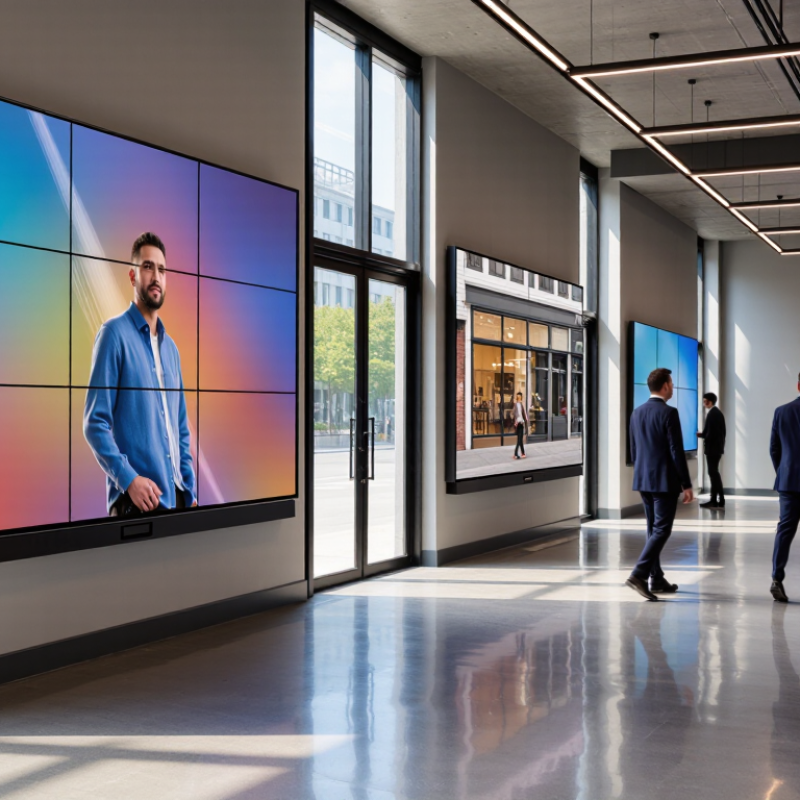
    For a 2026 campaign, the display should fit its environment. A compact indoor screen needs legible text and calm transitions; an outdoor unit needs strong visibility in changing light. Content should be brief enough to understand while walking past. Small detail, big effect. I have seen practical plans overlook reflections from glass doors and sunlight on glossy screens. The placement can be wrong. Check the viewing angle at different times of day, and test the actual message from several steps away.

    How Do Advertising Screen Displays Work?

    What Is the Best Advertising Screen Display in 2026?

    How Do Advertising Screen Displays Work?

    An advertising screen display combines a panel, a media player, and content-management software. The software stores creative files and sends schedules to screens over a network. At the appointed time, the player decodes each file and renders it at the screen’s resolution. If connectivity drops, many players continue with cached content. Simple, but easy to overlook.

    Some systems adjust playback by time, location, or approved audience signals. A sensor may count passing traffic, while campaign logs record proof of play. These signals support planning; they do not guarantee that someone noticed an ad. The Out of Home Advertising Association of America’s 2023 revenue report found digital formats generated roughly one-third of US out-of-home advertising revenue. That scale shows adoption, not effectiveness. Glare, viewing distance, slow updates, or a poorly timed message can still weaken a campaign.

    What Types of Advertising Screens Are Available in 2026?

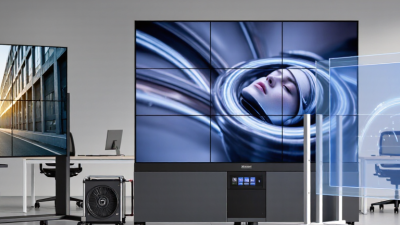
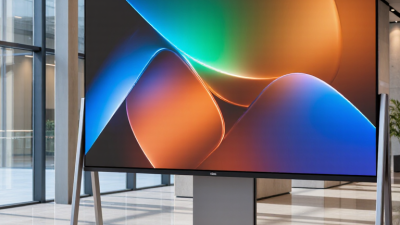
    In 2026, common advertising screens include indoor LCD displays, LED video walls, outdoor high-brightness panels, interactive touchscreens, transparent displays, and e-paper signs. Indoor LCD screens suit menus, shop windows, and waiting areas. A 55-inch panel can show clear product details at close range, but glare from nearby windows may wash out the image. They are not interchangeable.

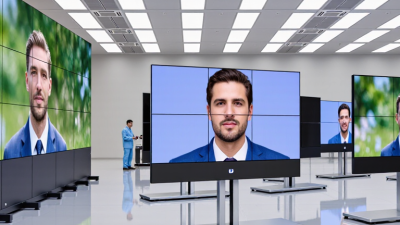
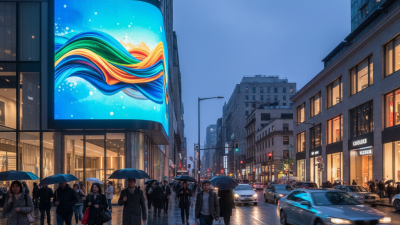
    LED video walls use modular panels to create large, bright displays for lobbies, events, and building façades. Their size is flexible, though viewing distance matters: fine text can look uneven when viewers stand too close. Outdoor screens are designed for sunlight and changing weather. Check brightness, ventilation, and service access before installation; a vivid showroom image does not guarantee readability on a sunny street.

    Touchscreens invite people to browse offers or product information, but they need simple menus and regular cleaning. Transparent displays can layer visuals over a visible window or product, although reflections and viewing angles may limit clarity. E-paper screens use little power and work well for static messages, but they are not suited to fast-moving video. I would test a sample in its real location. Store lighting, viewing distance, and even a narrow entrance can change which display works best.

    What Is the Best Advertising Screen Display in 2026? - What Types of Advertising Screens Are Available in 2026?

    Screen Type Typical Brightness Best-Suited Locations Key Advantages Main Limitations Best Choice When...
    Indoor LCD Digital Signage About 300–700 cd/m² Retail stores, offices, reception areas, restaurants, and indoor public spaces Sharp images, detailed text, broad content compatibility, and straightforward installation May be difficult to read in direct sunlight; requires continuous electrical power You need clear, close-viewed content in a controlled indoor environment.
    High-Brightness Window LCD Often about 1,500–3,500 cd/m²; specifications vary by model Storefront windows and other bright, sunlit indoor-facing locations Helps content remain visible through bright windows; supports detailed images and video Higher brightness can increase power use and heat; viewing may be affected by reflections You want video or detailed promotions visible to people outside a storefront.
    Outdoor LCD Signage Commonly about 2,500–5,000 cd/m², depending on the display Outdoor kiosks, transit areas, drive-throughs, and exposed public locations Designed for daylight readability; outdoor-rated units can provide protection against weather and dust Needs suitable thermal management, weather protection, and secure installation; operating costs can be higher You need a self-contained digital display for outdoor use and can provide the required power and protection.
    Direct-View LED Video Wall Roughly 800–5,000 cd/m², depending on indoor or outdoor design Large retail displays, arenas, building façades, events, and high-visibility public spaces Scales to large sizes, produces bright images, and can be viewed from a distance Cost, resolution, and viewing distance depend heavily on pixel pitch; installation and maintenance need planning You need a large-format display, especially for long-distance viewing or a non-standard screen shape.
    Transparent LED Display Often about 1,000–5,000 cd/m²; varies by construction and environment Glass storefronts, atriums, exhibition spaces, and selected architectural installations Allows some visibility through the screen and can preserve natural light better than an opaque display Fine details may be less clear than on solid-panel displays; visibility depends on background and ambient light You want digital content on glass while retaining partial visibility through the installation.
    E-Paper Display Reflective; typically specified by visibility and contrast rather than backlight brightness Price labels, menus, schedules, wayfinding, and low-refresh information displays Easy to read in ambient light and can use very little power when content changes infrequently Usually unsuitable for smooth video or frequent animation; color options and refresh performance vary Your content is mostly static or changes occasionally, and low energy use is a priority.
    Projection-Based Display Specified in projector lumens; perceived brightness depends on screen size and ambient light Events, temporary promotions, indoor experiences, and projection mapping Can create very large images without installing a full-size panel wall Ambient light can reduce visibility; needs suitable projection space, alignment, and surface You need a temporary or creative large image in a space where lighting can be controlled.

    Selection note: The best advertising screen depends on viewing distance, ambient light, installation location, content type, screen size, power availability, and total operating budget. Brightness figures are indicative ranges; check the specifications and environmental ratings of the exact display before purchase.

    Which Features Determine the Best Advertising Screen?

    The best advertising screen is not simply the brightest or largest. It must stay readable at the actual viewing distance, in the location’s real lighting. Check contrast, glare control, and automatic brightness adjustment. Test it at noon. Then test it after dark.

    Reliability matters just as much as image quality. Look for suitable weather protection outdoors, stable playback, remote monitoring, and replaceable components. A small fault can leave a blank panel during a busy trading hour. OAAA reported that U.S. out-of-home advertising revenue reached $9.1 billion in 2023, with digital formats contributing roughly one-third. That scale makes uptime and straightforward maintenance practical buying criteria, not minor technical details.

    Content tools deserve a close look, too. Can staff schedule campaigns by time and location without repeated manual uploads? Can the screen show legible copy, captions, and still images as well as motion? IAB and PwC reported U.S. digital video advertising revenue of $62.1 billion in 2024, up 19.2% year over year. That growth supports investment in video, but motion is not always more effective: a viewer passing quickly may miss the message. I still see buyers overvalue resolution before checking glare and service access. A sharper screen is no help if nobody can read it.

    How to Choose an Advertising Screen for Your Needs

    Choosing an advertising screen starts with the place it will live, not its headline specifications. Measure the viewing distance and note whether people pass quickly or wait nearby. A screen beside a busy entrance needs large, simple messages; one near a queue can support more detail. Check ambient light at different times of day. A bright lobby at noon can make an otherwise clear display look washed out.

    Indoors and outdoors are different jobs. Outdoor installations need suitable weather protection and enough brightness for direct sunlight, while indoor screens may need softer output to avoid glare. Check available power, mounting space, network access, and who will update the content. Small details matter. Ask how the screen handles scheduled playback and what happens if the connection drops. A dependable display is not useful if changing a promotion takes too long. I would also question the assumption that a larger screen is always better; from across a wide room, readable text and strong contrast often matter more. There is no perfect specification for every site. Compare operating costs, warranty terms, and service access alongside the purchase price, then test sample content at the actual viewing distance before deciding.

    Screen Size Calculator