How to Choose the Best Advertising Screen in 2026?
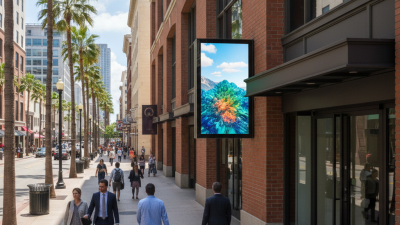
Choosing the best advertising screen in 2026 requires more than comparing prices, resolution, and screen size. Businesses must connect technology with real viewing conditions, customer behavior, and long-term operating costs. A bright display may look impressive indoors, yet appear harsh near a shop window. A large screen may attract attention, but poor placement can block walkways or reduce readability.
The right choice begins with practical questions. Will the screen operate for eight hours or twenty-four? Is it used inside a quiet showroom, beside a sunlit entrance, or outdoors near traffic? These details affect brightness, weather protection, viewing distance, power consumption, and maintenance. Content management also matters. A reliable advertising screen should support scheduled updates, remote monitoring, and stable playback without requiring constant technical assistance.
Experience often reveals what product specifications miss. Fans collect dust. Reflections weaken otherwise sharp images. Cheap mounting hardware can create safety concerns and extra service visits. These issues are easy to overlook during a rushed purchase. They should not be.
This guide examines the main factors shaping a confident decision in 2026, including display technology, durability, software compatibility, energy performance, and installation support. It also considers accessibility and responsible communication, so campaigns remain useful rather than intrusive. No single model suits every business. That is the uncomfortable part. A screen selected without site testing may become an expensive lesson. Reliable recommendations should combine manufacturer data, verified warranties, hands-on evaluation, and honest attention to limitations.
Define Your Advertising Goals and Audience
Before choosing an advertising screen in 2026, define the result you need. Brand awareness, store visits, product education, and immediate sales require different screen strategies. A bright roadside display may build recognition, while a smaller indoor screen can explain product benefits near a purchase point.
Audience behavior matters more than screen size. DataReportal’s Digital 2024 report counted 5.35 billion internet users worldwide, but attention remains fragmented across locations and devices. Map your audience by age, travel pattern, dwell time, language, and buying context. A commuter may see a message for three seconds. A clinic visitor may watch for several minutes. Design for that reality.
Use measurable targets. For awareness, track reach and frequency. For action, connect exposure with footfall, QR scans, or sales changes. The Out of Home Advertising Association of America reported that out-of-home advertising reached record U.S. revenue in 2023, showing strong market confidence. Still, growth does not guarantee effectiveness. I have seen attractive screens fail because the message was unreadable from a distance. Test viewing angles, brightness, loading speed, and content timing before deployment. Keep each message focused. Sometimes, less works better.
Compare Screen Types, Sizes, and Display Technologies
How to Choose the Best Advertising Screen in 2026?
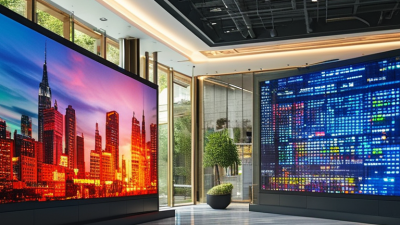
Choosing an advertising screen starts with its environment, not its brand or highest specification. LCD screens suit indoor aisles, reception areas, and controlled lighting. LED screens work better outdoors, where sunlight and long viewing distances reduce LCD impact. E-paper consumes less energy, but it cannot deliver bright video or fast animation. Screen size should follow viewing distance. A 43-inch display may serve a checkout zone, while a large LED wall suits a transport hall. Bigger is not always better.
The Outdoor Advertising Association of America reported $8.6 billion in U.S. out-of-home revenue in 2023. Digital formats represented about 31% of that revenue. This growth supports investment in dynamic displays, but performance still depends on placement. Compare brightness, contrast, refresh rate, viewing angle, and weather protection. A bright screen can attract attention. Excessive brightness can also create glare and discomfort. That detail is easy to overlook.
Tips: Measure the farthest viewer first. Test content at the actual distance and lighting level. For outdoor use, consider high brightness, automatic dimming, strong thermal control, and at least IP-rated protection. For close indoor viewing, prioritize readable text and accurate colors. Industry reports guide decisions, but they do not replace a site test. A perfect specification sheet can still fail in real conditions.
Assess Content Management, Connectivity, and Installation Needs
How to Choose the Best Advertising Screen in 2026?
A strong advertising screen begins with content management, not brightness alone. Choose a platform that lets staff schedule campaigns, check playback, and update several screens remotely. Ask whether it supports approval steps, user permissions, and clear reports. In real installations, simple controls prevent costly mistakes. Fancy dashboards can slow busy teams.
Tips: Test the system with real content before purchase. Upload a short video, change its schedule, and remove it. Check how quickly each screen responds. Keep an offline fallback. It matters.
Connectivity affects daily reliability. Wired networks often provide stable performance in fixed locations, while secure wireless access suits changing layouts. Confirm supported network standards, remote monitoring, and recovery after power loss. A screen that reconnects automatically saves staff trips. Still, no connection is perfect. Plan local playback for brief outages, and verify firewall requirements with your IT team.
Installation needs deserve equal attention. Measure wall strength, viewing distance, service clearance, and nearby power points. A bright display may become uncomfortable in a narrow hallway. Use qualified installers for electrical work and structural mounting, following local safety rules. Leave room for ventilation and future cable changes. I once saw a “quick” installation become expensive because access panels were blocked. That mistake is avoidable, but only when measured early.
Calculate Total Cost, Maintenance, and Long-Term Value
How to Choose the Best Advertising Screen in 2026?
The purchase price is only the visible part of an advertising screen’s cost. Calculate total cost over five years, including installation, electricity, software, cleaning, repairs, and content management. A simple formula helps: purchase cost plus annual operating costs, replacement parts, labor, and expected downtime. Request written estimates from suppliers. Vague maintenance promises deserve caution.
Energy use can change the financial result. A bright outdoor screen may consume far more power than an indoor model. Check wattage, average daily operating hours, local electricity rates, and cooling requirements. Also examine service access. A front-service design may reduce labor when technicians replace a module in a crowded storefront. Keep spare modules, power supplies, and protective components available. Small costs accumulate.
Long-term value depends on reliability and useful visibility, not impressive specifications alone. Compare brightness stability, weather resistance, viewing distance, warranty coverage, and repair response times. Ask how quickly common parts can arrive. One unanswered question remains important: what happens when the screen fails during a busy campaign? Lost exposure can exceed a repair invoice. However, forecasts are imperfect. Traffic may change, electricity prices may rise, and a planned ten-year lifespan may prove unrealistic. Review the calculation every year, record actual energy and repair costs, and adjust future purchasing decisions with evidence.
How to Choose the Best Advertising Screen in 2026?
Five-year total cost of ownership estimate for common advertising screen categories. Lower total cost does not always mean better value: brightness, viewing distance, operating hours, serviceability, and expected lifespan should also be considered.
Assumptions: USD estimates, one screen, 24/7 operation, 5-year period, electricity at $0.15/kWh, and routine service included. Values represent typical planning ranges for the market and exclude installation, taxes, network fees, and structural work. The most cost-effective choice depends on usage intensity and required screen size.



 Screen Size Calculator