Enquire Now
Enquire Now

At Pro Display we’re always happy to help you select the very best display technology for your project.

If you require any further information, pricing or technical assistance, please call us, or send us a message through the form below.

You can also sign-up to our mailing list here too.

    China Top Advertising Screen Display Suppliers?

    Choosing a reliable China advertising screen display supplier requires more than comparing factory prices. The right partner must balance image quality, engineering support, production consistency, and responsible communication. Outdoor LED walls face rain, dust, heat, and changing daylight. Indoor retail screens demand quiet operation, accurate color, and clean installation. These differences matter. A serious evaluation begins with pixel pitch, brightness, refresh rate, cabinet design, and viewing distance. It also examines control systems, spare modules, warranty terms, and after-sales response. Product photos help, but they are not proof. In practical projects, attractive samples can fail when heat management or maintenance access is overlooked.

    This guide explores China’s leading advertising screen display suppliers through a practical and evidence-based lens. It considers manufacturing experience, technical documentation, quality controls, export support, and installation guidance. Supplier credibility should be checked through factory audits, sample testing, customer references, and clear certification records. A sample running for several hours can reveal color shifts, fan noise, software instability, or uneven brightness. Small details matter. Buyers should also request realistic power consumption data, not only maximum specifications. Some supplier rankings may change as technology, service teams, and production capacity develop. That uncertainty deserves attention. The strongest supplier is not always the cheapest or the largest; it is the partner that communicates clearly, documents limitations, and supports the display after delivery. Mistakes still happen, especially when local climate, content format, or maintenance skills are underestimated. A careful selection process reduces those risks and creates a more dependable investment.
    China Top Advertising Screen Display Suppliers?

    Types of Advertising Screen Displays Made in China

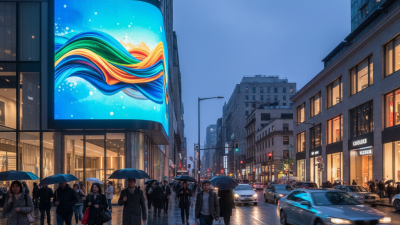
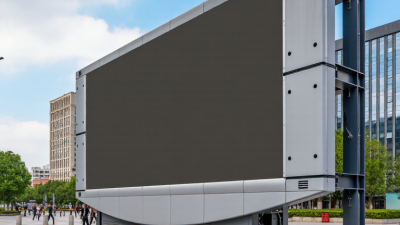
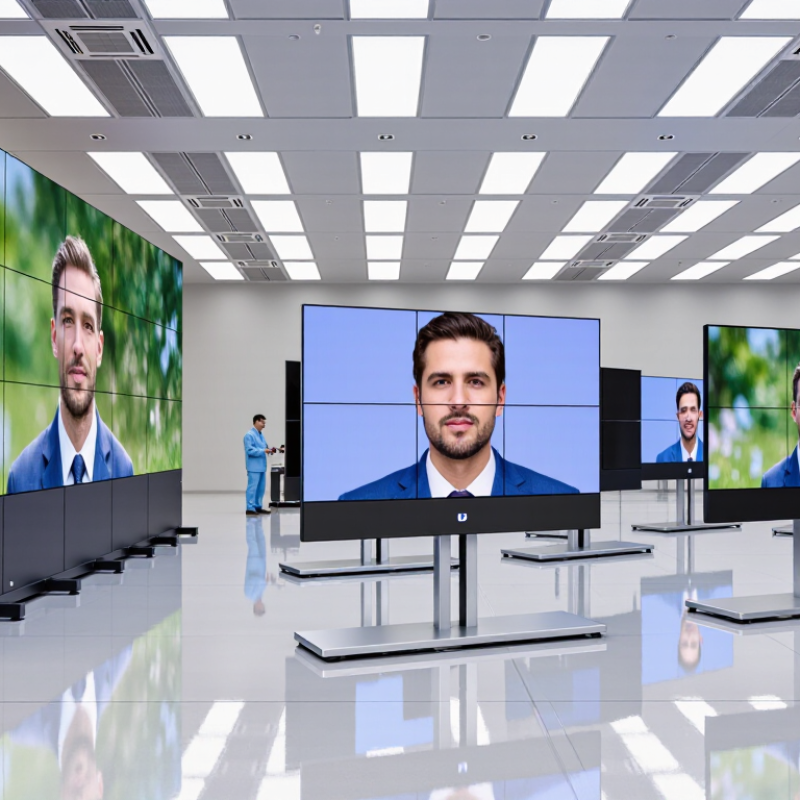
    China-made advertising screen displays cover several practical formats. Outdoor LED billboards use high-brightness modules for roads, plazas, and building facades. Their sealed cabinets need strong weather protection, stable cooling, and safe power distribution. Indoor fine-pitch LED walls create sharp images in shopping centers, showrooms, and control rooms. Smaller pixel spacing improves close viewing, but it usually increases cost.

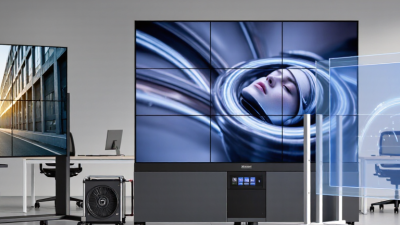
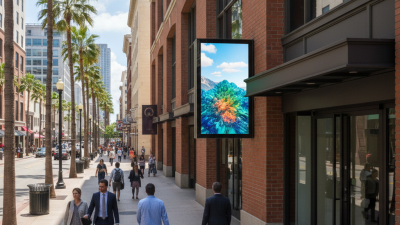
    LCD video walls remain useful for retail windows, reception areas, and transport halls. They offer consistent color and clear text, especially at short distances. Transparent LED screens fit glass storefronts without fully blocking daylight. They look impressive, but image contrast can weaken under direct sunlight. Digital kiosks and freestanding poster displays support menus, promotions, and queue information. Some include touch functions, cameras, or remote content control.

    Rental LED displays are built for exhibitions, concerts, and temporary campaigns. Lightweight cabinets and quick-lock systems reduce installation time. Outdoor models should be checked for brightness, refresh rate, cabinet protection, and operating temperature. Indoor models require careful viewing-distance calculations. A screen that looks excellent in a factory may appear too bright in a quiet lobby. This happens.

    When assessing Chinese suppliers, request sample videos, aging-test records, pixel-failure policies, and electrical safety documents. Ask how replacement modules are packed and shipped. Service quality is easy to underestimate. Clear manuals, spare parts, and responsive technical support can matter more than a low quotation. Some specifications sound excellent, yet real performance still depends on installation and calibration.

    Key Features to Compare Among Chinese Display Suppliers

    China Top Advertising Screen Display Suppliers?

    Choosing among Chinese advertising screen display suppliers requires more than checking price lists. Compare brightness, resolution, refresh rate, and viewing angle for your installation environment. A street-facing screen may need 5,000 nits or more. An indoor retail display may need less brightness and better color accuracy. Ask for measured data, not only catalog claims. Request a running sample and inspect text edges, skin tones, and motion. Small defects often appear after several hours.

    Reliability also depends on heat control, cabinet sealing, power protection, and maintenance access. Check the IP rating for outdoor use and review test reports from qualified laboratories. Confirm software compatibility, remote monitoring, spare-part availability, warranty terms, and response times. Factory audits can reveal assembly discipline and quality-control records. A low quotation may look efficient, but unclear component grades can create higher replacement costs. I have found that delivery promises are sometimes optimistic, especially during peak production periods.

    Tips: Compare the same specifications across suppliers. Ask for a written bill of materials and a production schedule. Clarify pixel-failure limits and replacement procedures. Test communication before signing. A supplier that answers technical questions clearly is usually easier to manage. Still, no supplier is perfect; document risks and keep reasonable time for inspection.

    China Top Advertising Screen Display Suppliers? - Key Features to Compare Among Chinese Display Suppliers

    Comparison Dimension Typical Reference Range or Requirement Recommended Standard for Advertising Projects Why It Matters How to Verify
    Pixel Pitch Indoor: approximately 1.2–4 mm
    Outdoor: approximately 3–16 mm
    Select according to viewing distance; smaller pitch for close viewing and larger pitch for long-distance roadside advertising. Pixel pitch affects image sharpness, viewing distance, cabinet size, and total project cost. Request module specifications, pixel-density data, and a close-up demonstration at the intended viewing distance.
    Brightness Indoor: generally 800–1,500 nits
    Outdoor: generally 4,500–8,000 nits
    Use automatic brightness control and avoid excessive brightness in indoor or nighttime environments. Adequate brightness improves daylight visibility, while automatic adjustment reduces glare and energy consumption. Check a measured brightness report and confirm performance under daylight and low-light conditions.
    Refresh Rate Common commercial range: 1,920–3,840 Hz At least 3,840 Hz for content that will be recorded by cameras or used in broadcast environments. A higher refresh rate helps reduce scan lines, flicker, and rolling artifacts in video recordings. Test the display with a smartphone and professional camera at different shutter speeds.
    Color Performance 16-bit processing is common; grayscale levels may reach 65,536 per color channel. Use calibrated color settings and consistent brightness across all cabinets. Stable color and grayscale performance produce smoother gradients and more consistent advertising content. Request calibration records and inspect dark scenes, skin tones, gradients, and white balance.
    Weather Protection Outdoor front: commonly IP65 or higher; rear protection depends on cabinet design. Choose outdoor cabinets with sealed construction, drainage design, corrosion resistance, and suitable thermal management. Ingress protection helps protect modules and electronics from rain, dust, and outdoor operating conditions. Review the IP test report and inspect cabinet seals, connectors, drainage, and cable entry points.
    Operating Temperature Many outdoor systems are specified around −20°C to +50°C, depending on configuration. Match the rated temperature range to the installation location and include ventilation or heating when required. Temperature control affects LED life, power stability, brightness consistency, and maintenance frequency. Check environmental test documentation and confirm the actual operating conditions in the quotation.
    Power Consumption Typical maximum consumption: approximately 450–900 W/m²; average use is normally lower. Evaluate both maximum and typical average consumption, not maximum consumption alone. Power efficiency affects electrical infrastructure, operating costs, and heat generation. Request measured power data for common content patterns and confirm the power-supply configuration.
    Cabinet Design Common cabinet materials include die-cast aluminum, steel, or lightweight aluminum structures. Prioritize flatness, precise cabinet alignment, tool-free access where appropriate, and manageable cabinet weight. Cabinet design influences installation time, screen flatness, service access, and structural requirements. Review cabinet drawings, weight per square meter, connection details, and an assembled sample.
    Service Life Quality LED displays are commonly rated for approximately 80,000–100,000 hours under specified conditions. Compare the rated life with brightness derating, operating temperature, and actual maintenance conditions. A service-life rating is meaningful only when the operating conditions and testing method are clearly defined. Ask for LED, module, and complete-display reliability documentation rather than relying only on a marketing claim.
    Warranty Coverage Commercial warranties commonly range from 2–5 years, depending on contract terms. Require written coverage for modules, power supplies, control systems, spare parts, and labor responsibilities. Clear warranty terms reduce disputes over defective parts, shipping costs, and on-site service. Review exclusions, response times, replacement procedures, and whether advanced replacement parts are included.
    Certifications and Compliance Common project requirements may include CE, RoHS, EMC, FCC, ETL, UL, or local electrical approvals. Select certifications based on the destination market, installation type, and local authority requirements. Compliance documentation supports customs clearance, site approval, electrical safety, and electromagnetic compatibility. Verify certificate numbers, product models, issuing laboratories, validity, and whether the documents cover the quoted configuration.
    Quality Control A structured process normally includes incoming inspection, aging tests, cabinet testing, and final inspection. Require documented inspection criteria and a complete display test before shipment. Consistent quality control reduces dead pixels, color differences, wiring faults, and early failures. Request sample inspection records, aging-test duration, defect criteria, and pre-shipment photographs or video.
    Production and Delivery Standard projects may require approximately 3–8 weeks after drawing approval and deposit. Confirm production capacity, component availability, packaging, shipping terms, and installation schedule. Reliable scheduling is essential for retail openings, events, construction milestones, and advertising campaigns. Request a milestone plan covering engineering approval, production, inspection, packing, dispatch, and delivery.
    Spare Parts and Maintenance A practical spare-parts package often includes modules, receiving cards, power supplies, cables, and critical accessories. Plan spare parts according to screen size, operating hours, access difficulty, and expected service period. Available spare parts reduce downtime and simplify field repairs. Ask for a recommended spare-parts list, replacement instructions, component compatibility, and technical support channels.
    Total Cost of Ownership Includes display hardware, structure, control system, shipping, installation, electricity, maintenance, and replacement parts. Compare complete project cost over the expected operating period instead of comparing hardware price alone. The lowest purchase price may lead to higher energy, service, replacement, or downtime costs. Request an itemized quotation and a multi-year estimate covering energy use, maintenance, warranty, and logistics.

    Note: The figures above are general industry reference ranges. Final specifications should be confirmed against the project environment, local regulations, approved drawings, and the supplier’s test documentation.

    How to Evaluate Product Quality and Manufacturing Capability

    When evaluating advertising screen display suppliers, start with visible product evidence, not polished brochures. Request a production sample matching your intended size, brightness, pixel pitch, and installation method. Inspect cabinet seams, connector protection, surface flatness, and color consistency from different viewing angles.

    Look closer. A bright screen can still suffer from uneven calibration or excessive heat.

    Manufacturing capability requires more than factory scale. Ask how panels are assembled, tested, calibrated, and traced through production. Reliable suppliers should explain their aging-test duration, thermal testing, waterproofing process, and quality inspection points.

    Request recent test records and independent laboratory reports where appropriate. Visit the facility if possible. Observe component storage, soldering quality, inspection equipment, and packing protection.

    A rushed production line is easy to notice.

    Experience also comes from handling failures. Ask for documented responses to dead pixels, brightness drift, moisture damage, and replacement parts. Confirm spare-part availability, repair procedures, software support, and realistic lead times.

    Production capacity should be supported by equipment, trained technicians, and stable material control.

    I once trusted a perfect sample too quickly; the first batch revealed inconsistent color after several weeks. That mistake changed my evaluation process.

    I now request pilot-batch results, long-duration operation evidence, and clear acceptance criteria before approving volume production. Supplier claims matter less than repeatable records.

    Leading Chinese Suppliers and Their Market Specialties

    China’s advertising screen suppliers now serve indoor retail, outdoor billboards, transport hubs, and rental events. Grand View Research estimates the global LED display market reached about USD 7.1 billion in 2023. Its report also projects steady growth through 2030, driven by digital signage and finer pixel pitches. This demand has widened China’s supplier base, but not every factory offers the same expertise.

    Suppliers in the Pearl River Delta often focus on outdoor displays, weather protection, high brightness, and energy-efficient cabinets. Their products may suit roadside advertising and large building façades. Other manufacturers specialize in fine-pitch indoor screens for shopping centers, control rooms, and corporate lobbies. Suppliers in eastern China commonly emphasize lightweight rental panels, fast locking systems, and curved installations. MarketsandMarkets expects the LED display market to grow strongly toward 2028, reflecting continued investment in commercial visual communication.

    Procurement experience shows that specifications need verification. A factory may quote 5,000 nits, yet brightness can vary after calibration. Ask for test records, viewing-angle measurements, thermal data, and pixel-failure policies. Check CE, RoHS, EMC, and relevant electrical safety documentation for the target market. This step is easy to overlook. Installation quality also matters; poor ventilation can shorten module life despite excellent components. Supplier selection should compare production history, sample consistency, spare-part access, and after-sales response time. Cost alone is a weak measure.

    China Advertising Display Supplier Specialties

    Representative brightness levels by commonly supplied advertising-display category

    Outdoor LED displays typically require the highest brightness for direct sunlight, while indoor fine-pitch LED and LCD signage prioritize visual comfort and energy efficiency. Transparent and rental LED systems are commonly selected for retail façades, events, and temporary advertising installations. Values shown are representative industry specifications rather than data from individual companies or brands.

    Buying Considerations for Advertising Screen Display Projects

    Buying Considerations for Advertising Screen Display Projects

    Choosing an advertising screen requires more than comparing pixel pitch and price. MarketsandMarkets estimates that the digital signage market will grow from about USD 27 billion in 2024 to over USD 43 billion by 2029. This growth increases supplier choices, but also creates inconsistent quality. A low-cost panel may look attractive indoors, yet fail under direct sunlight, heat, dust, or continuous operation.

    Start with the site.

    Measure viewing distance, ambient brightness, installation height, and ventilation. For storefronts, brightness above 2,500 nits may improve visibility, but poor thermal design can shorten component life. Check the rated operating temperature, ingress protection, refresh rate, and front-service access. These details affect maintenance more than showroom demonstrations.

    Ask suppliers for independent test reports, not only internal specifications. Certification records, warranty terms, spare-part availability, and remote monitoring support should be written into the contract.

    Content management is equally important. A reliable display needs scheduling, user permissions, playback failure alerts, and secure software updates. Cybersecurity cannot be treated as an optional feature. IAB’s Internet Advertising Revenue Report shows sustained growth in digital video advertising, which means more content will be adapted for dynamic screens.

    However, advertisers still need readable layouts, stable playback, and accurate brightness control. I have seen projects overspend on resolution while ignoring power consumption and service access. That mistake is expensive.

    A pilot installation for two to four weeks can reveal glare, network interruptions, and maintenance problems before full deployment.
    Screen Size Calculator