10 Best Outdoor Display Screens for Global Buyers?
Outdoor display screens are moving from premium retail projects into transport hubs, campuses, stadiums, and public venues. Grand View Research estimated the global digital signage market at approximately USD 27 billion in 2023. Its report also forecasts continued growth through 2030, driven by retail modernization, advertising, and real-time information services. These figures describe digital signage broadly, but they show why outdoor viewing technology deserves careful global evaluation.
An effective outdoor display screen must handle sunlight, rain, dust, heat, and unstable network conditions. Brightness matters, but excessive brightness can increase energy use and maintenance costs. Buyers should examine pixel pitch, operating temperature, ingress protection, thermal design, remote monitoring, warranty coverage, and local service capacity. IEC standards and regional safety requirements can support responsible comparisons. However, certifications do not replace practical testing. A screen that performs well in a European showroom may struggle under tropical humidity or desert dust.
This guide compares ten leading outdoor display screens for international buyers. The selection considers image visibility, cabinet durability, installation flexibility, energy performance, content management, and total ownership cost. Data from MarketsandMarkets and Grand View Research indicates strong demand for commercial digital signage, yet published market estimates vary by definition and region. That limitation deserves attention. Our shortlist is useful, but it is not flawless. Site surveys, seasonal testing, and supplier verification remain essential. Look beyond specifications. Picture a busy roadside display at noon, water collecting around a connector, and technicians working after sunset. Real conditions reveal more than a brochure.
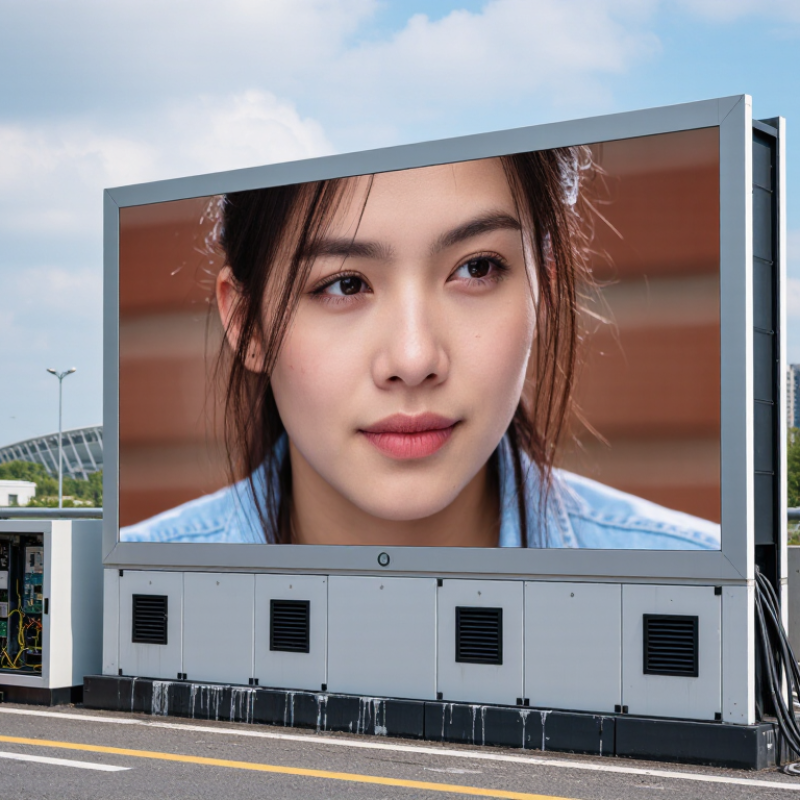
Outdoor Display Screens: Definition, Uses, and Global Market Overview
Outdoor display screens are digital panels engineered for sunlight, rain, dust, and changing temperatures. They usually combine high brightness, sealed enclosures, weather protection, and automatic cooling. A dependable unit should state its ingress protection rating, operating temperature range, brightness level, and service access clearly. Vague specifications deserve caution.
These screens support transport updates, retail advertising, public information, sports venues, campuses, and outdoor events. In direct sunlight, brightness matters more than impressive indoor color claims. A screen near a coastal road may also need stronger corrosion protection. Remote monitoring can reduce inspection visits, but it cannot replace physical maintenance. Dust still wins sometimes.
Global demand is growing as cities improve wayfinding and businesses seek flexible outdoor communication. Buyers in tropical regions often prioritize humidity control and drainage. Cold-climate projects need reliable startup performance below freezing. In areas with strict energy rules, power consumption and nighttime dimming require careful review. Local permits, electrical codes, accessibility rules, and content regulations may also affect installation.
Market comparisons should include total ownership cost, not only the purchase price. Installation structure, transport, spare parts, software support, and future repairs can change the final budget. Experienced project teams test viewing distance, glare, wind exposure, and maintenance access before approval. A specification sheet cannot predict every rooftop. That is worth remembering.
Key Specifications for Comparing Outdoor Display Screens
10 Best Outdoor Display Screens for Global Buyers?
Choosing an outdoor display starts with the environment, not the screen size. Measure direct sunlight, viewing distance, humidity, wind, and expected operating hours. Brightness above 2,500 nits may improve daytime readability, but excessive brightness can waste energy and annoy nearby viewers. Check whether the stated value is typical or peak output.
Weather Protection
Weather protection matters. An IP65 enclosure can resist dust and water jets, while an IK rating indicates impact resistance. Neither rating guarantees performance in every climate. Confirm operating temperatures, salt-air protection, drainage design, and corrosion-resistant materials.
A wide viewing angle helps pedestrians read content from the side. A high refresh rate reduces visible flicker, especially when cameras record the screen. Also compare resolution, contrast, automatic brightness control, connectivity, power consumption, and cooling method.
Tips:
Request test reports, installation drawings, and a sample video before ordering. Ask how brightness is measured. Review replacement procedures for fans, power supplies, and LED modules.
A longer warranty sounds reassuring, but response time and spare-part availability often matter more. Do not ignore installation costs. Strong mounting structures and professional electrical work can change the total budget substantially.
My practical preference is a slightly less bright screen with better thermal control. It may perform more consistently, although that choice deserves testing in the actual location.
The 10 Best Outdoor Display Screens for International Buyers
10 Best Outdoor Display Screens for International Buyers
International buyers need more than bright images. They need stable performance across climates, currencies, and installation rules. MarketsandMarkets estimated the global digital signage market at USD 27.1 billion in 2024. It projects about USD 46.7 billion by 2029, with an 11.5% compound annual growth rate. This growth raises competition, but it also creates quality risks.
The best outdoor display screens should combine high brightness, weather protection, and simple maintenance. For sunny streets, consider at least 2,500 nits, although extreme brightness can increase heat and energy use. An IP65-rated enclosure helps resist rain and dust. IK10 protection is useful in public areas, but it does not prevent every type of damage. Check operating temperatures, ventilation, anti-glare glass, and remote monitoring before purchasing. A screen may look impressive in a showroom. That proves very little.
Tips: Ask suppliers for certified test reports, not only product brochures. Confirm voltage ranges, plug types, warranty coverage, pixel failure policies, and replacement-part access. Verify local electrical, electromagnetic compatibility, and accessibility requirements with a qualified professional. IEC standards can guide testing, but local approval may still be required. Compare total ownership cost, including power, shipping, installation, maintenance, and disposal. International delivery can expose weak packaging. Request photos of crate protection and a sample burn-in test. I would also test readability from five to ten metres. Viewing angles are often overstated.
10 Best Outdoor Display Screens for Global Buyers? - The 10 Best Outdoor Display Screens for International Buyers
A practical comparison of outdoor display categories based on commonly published commercial specifications, environmental protection ratings, and international deployment requirements.
| Rank |
Outdoor Display Type |
Typical Size |
Display Technology |
Typical Brightness |
Typical Resolution |
Weather Protection |
Operating Range |
Best Application |
International Buyer Rating |
| 1 |
High-Brightness Outdoor LCD |
43–86 in |
LED-backlit LCD |
2,500–3,500 nits |
4K UHD, 3,840 × 2,160 |
IP56 enclosure |
−20°C to 50°C |
Retail storefronts, transit information, public venues |
★★★★★ |
| 2 |
Outdoor LED Video Wall |
Custom modular size |
SMD LED modules |
5,000–8,000 nits |
Pixel pitch typically 3–10 mm |
IP65 front / IP54 rear |
−20°C to 50°C |
Stadiums, façades, concerts, large advertising displays |
★★★★★ |
| 3 |
Outdoor Digital Totem |
55–86 in |
High-brightness LCD |
2,500–3,000 nits |
4K UHD or Full HD |
IP55–IP65 |
−20°C to 50°C |
Shopping centers, sidewalks, airports, wayfinding |
★★★★★ |
| 4 |
Sunlight-Readable Touchscreen Kiosk |
21.5–55 in |
Projected capacitive touch LCD |
1,500–2,500 nits |
Full HD or 4K UHD |
IP65 front |
−10°C to 50°C |
Self-service check-in, ticketing, ordering, public services |
★★★★☆ |
| 5 |
Outdoor Menu Board |
43–65 in |
Commercial LCD |
2,500–3,000 nits |
4K UHD |
IP56 enclosure |
−20°C to 50°C |
Drive-through lanes, restaurants, food courts |
★★★★☆ |
| 6 |
Outdoor Double-Sided Display |
43–75 in per side |
Dual high-brightness LCD panels |
2,000–3,000 nits per side |
Full HD or 4K UHD |
IP55–IP56 |
−20°C to 50°C |
Street advertising, transit shelters, commercial entrances |
★★★★☆ |
| 7 |
Outdoor Transparent LED Screen |
Custom modular size |
Transparent LED mesh |
4,000–6,000 nits |
Pixel pitch typically 6–16 mm |
IP65 front / IP54 rear |
−20°C to 50°C |
Glass façades, windows, architectural advertising |
★★★★☆ |
| 8 |
Rugged Outdoor Monitor |
10.1–32 in |
Industrial LCD |
1,000–1,500 nits |
Full HD or 1,920 × 1,200 |
IP65 front |
−30°C to 60°C |
Marine equipment, industrial control, outdoor machinery |
★★★★☆ |
| 9 |
Outdoor E-Paper Information Display |
13.3–42 in |
Reflective electronic paper |
Reflective; no backlight required |
Typically 1,600 × 1,200 or higher |
IP65 enclosure |
0°C to 50°C |
Schedules, maps, notices, low-power public information |
★★★☆☆ |
| 10 |
Outdoor Interactive Information Panel |
32–65 in |
High-brightness LCD with touch |
1,500–2,500 nits |
Full HD or 4K UHD |
IP55–IP65 |
−20°C to 50°C |
Parks, campuses, museums, tourism and visitor centers |
★★★☆☆ |
Outdoor Screen Types for Different Environments and Applications
Outdoor display screens must match the environment, not just the advertising message. High-brightness LED walls suit highways, stadiums, and large retail façades because viewers stand far away. Their modular panels can cover wide surfaces and remain readable under direct sunlight. However, pixel pitch matters. A coarse pitch may look acceptable from a road but appear rough at close range.
For sheltered entrances, transit halls, and outdoor shopping areas, high-brightness LCD screens can deliver sharper text and detailed product images. They need reliable cooling, sealed enclosures, and protection from dust and moisture. In windy locations, a narrow digital sign may be safer than a large billboard. Coastal sites require extra attention to corrosion-resistant materials and drainage. Electronic paper displays use little power and work well for changing schedules, parking guidance, or wayfinding. They are less suitable for fast video or dark scenes.
I have seen installations fail because sunlight was measured only in the morning. Afternoon glare changed the result. Screen placement, glass reflections, viewing distance, and maintenance access deserve equal attention. A strong enclosure is not enough. Check thermal performance, brightness control, service life, and local electrical requirements before ordering. Also, test the content at the real viewing angle. Small text can disappear quickly, even on an expensive screen.
Buying, Installing, and Maintaining Outdoor Display Screens Worldwide
Choosing an outdoor display screen requires more than comparing brightness and price. Global buyers should check viewing distance, climate, power supply, and content requirements. A screen facing a sunny plaza may need high brightness and automatic dimming. Coastal locations need stronger corrosion protection. Cold regions may require built-in heating. Ask for verified ingress protection, operating temperature ranges, and service documentation. These details reveal more than attractive product photos.
Installation affects performance as much as the screen itself. A qualified local technician should inspect wall strength, wind exposure, drainage, grounding, and cable routes. Leave space around ventilation openings. Never seal them with improvised covers. Screen orientation also matters; direct afternoon sunlight can reduce contrast and increase heat. Local electrical requirements and site permits must be checked before delivery. A small planning error can create expensive delays. I would also request a test installation, because drawings rarely show every obstruction.
Tips: Keep spare modules, connectors, and filters in a dry, labeled cabinet. Clean the surface with approved materials, not harsh solvents. Schedule inspections after storms and record brightness, temperature, faults, and power use. Remote monitoring helps, but it is not perfect. Dust, insects, and loose seals can still escape detection. Review maintenance records every quarter, then adjust cleaning and inspection intervals for the actual site.
10 Best Outdoor Display Screen Applications for Global Buyers
Buying, installing, and maintaining outdoor displays requires matching peak brightness to the surrounding light environment. The chart shows typical brightness targets in nits for common outdoor applications; final specifications should also consider viewing distance, climate, energy use, and local regulations.
Reference guidance: approximately 1,500–3,000 nits is commonly suitable for shaded or semi-covered locations, 3,000–6,000 nits for general daylight exposure, and 6,000–10,000 nits for direct-sunlight environments. Actual performance depends on automatic brightness control, glass treatment, viewing angle, and installation orientation.
















 Screen Size Calculator